

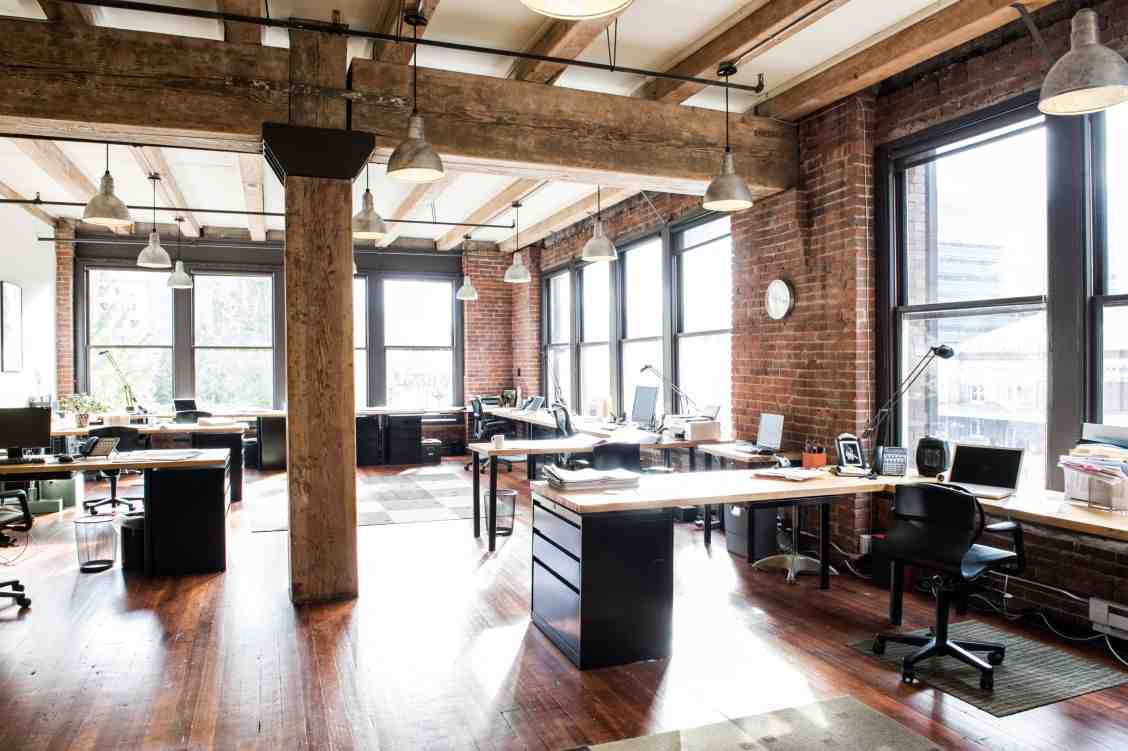
Adaptive Reuse in Riverside: Turning Old Buildings into Modern Offices
Adaptive reuse is transforming the way cities like Riverside approach commercial real estate. Instead of tearing down older buildings, adaptive reuse repurposes them into modern, functional office spaces that meet today’s business needs. This approach preserves architectural character, reduces construction waste, and often accelerates project timelines compared to building from scratch.
For property owners and investors, adaptive reuse offers a unique opportunity to revitalize underutilized properties while creating offices that attract tenants seeking contemporary amenities and efficient layouts. By combining historic charm with modern systems, these projects deliver both aesthetic appeal and long-term financial value, making adaptive reuse an increasingly popular strategy in Riverside’s evolving commercial market.
Quick Answer:
- What it is: Converting underused or historic buildings (like old citrus packing houses or warehouses) into functional modern offices
- Why it matters: Saves 16% on costs, takes 17% less time than new construction, and preserves Riverside's character
- Key benefits: Lower vacancy rates, unique character that attracts tenants, sustainability advantages, and federal tax credits up to 20%
- Best candidates: Buildings with high ceilings, open floor plates, and solid "bones"—especially former industrial and commercial structures near downtown or the Metrolink station
The trend is real. By early 2024, nearly 70 million square feet of office space across the U.S. was being repurposed, with conversions more than doubling compared to the previous year. In the Inland Empire, where commercial real estate continues to thrive, adaptive reuse offers a practical solution to rising vacancy rates while celebrating the region's rich history.
Riverside is uniquely positioned for this movement. The city's downtown core features New Formalist architecture, historic citrus packing houses, and brick warehouses that once defined the region's agricultural economy. These structures—many sitting underused—represent untapped potential for businesses seeking office space with character, modern amenities, and a story to tell.
Why adaptive reuse beats new construction:
- Reduces embodied carbon by approximately 75%
- Leverages existing infrastructure and prime locations
- Creates distinctive spaces that generic new builds can't match
- Often qualifies for historic tax credits and sustainability incentives
For business owners, this means competitive lease rates with unique architectural features—exposed brick, soaring ceilings, natural light from oversized windows—that help attract and retain talent. For investors, it means repositioning underperforming assets into high-demand Class A or B office space with shorter development timelines.
The New Wave of Commercial Real Estate: Why Adaptive Reuse is Gaining Momentum
The commercial real estate landscape is dynamic, and nowhere is this more evident than in the rising trend of adaptive reuse. Nationwide, office vacancy rates have sharply increased, with forecasts indicating a significant share of office spaces could remain empty. However, instead of viewing this as a crisis, we see an opportunity. By early 2024, nearly 70 million square feet of office space was already undergoing conversion projects across urban areas in the United States, with completions projected to more than double compared to the previous year. This surge is a direct response to changing work patterns and a desire for more sustainable, character-rich spaces.
Here in the Inland Empire, we’ve observed that commercial real estate remains strong. Yet, even in a robust market, repurposing underused assets is a smart strategy. Adaptive reuse offers compelling advantages that make it an attractive option for both property owners and businesses looking for modern office space.
Beyond environmental stewardship, adaptive reuse often translates into significant cost and time savings. Research consistently shows that conversion projects, on average, cost 16% less and take 17% less time than equivalent new construction. This faster turnaround means businesses can occupy their new spaces sooner, generating revenue and reducing the overall project timeline.
Finally, adaptive reuse plays a crucial role in preserving the unique character of our cities. Old buildings often boast architectural details, robust construction, and a sense of history that new builds simply cannot replicate. By repurposing these structures, we maintain the aesthetic and cultural fabric of our communities, creating memorable spaces that bland, new construction often lacks. This blend of heritage and modern functionality is a powerful draw for businesses seeking a distinctive brand identity and for investors looking to reposition assets into high-demand properties.
Architectural and Design Strategies for Adaptive Reuse in Riverside: Turning Old Buildings into Modern Offices
Transforming older buildings into modern office spaces requires thoughtful architectural and design strategies that respect the existing structure while meeting contemporary needs. In Riverside, many historic buildings feature unique brickwork, timber framing, or decorative facades that add character and visual appeal. Preserving these elements not only honors the city’s architectural heritage but also creates distinctive office environments that stand out in a competitive market.
A key strategy in adaptive reuse is reconfiguring interior layouts to maximize flexibility and functionality. Older buildings often have compartmentalized floor plans that aren’t ideal for modern office workflows. Architects and designers focus on creating open, collaborative spaces, integrating natural light, and improving circulation while maintaining structural integrity. In Riverside, where daylight and energy efficiency are highly valued, optimizing window placement, skylights, and interior glass walls can dramatically enhance occupant comfort and productivity.
Sustainability is another critical consideration in adaptive reuse projects. Reusing an existing building reduces construction waste and the environmental impact associated with new development. In Riverside’s climate, incorporating energy-efficient HVAC systems, high-performance insulation, and upgraded windows helps maintain comfortable indoor temperatures while lowering operating costs. Green design elements such as rooftop gardens or solar-ready roofs can further improve the building’s environmental footprint, appealing to tenants and investors alike.
Finally, integrating modern building systems without compromising historic character is essential. Electrical, plumbing, and IT infrastructure often need significant upgrades to meet today’s business demands. Thoughtful design ensures these systems are seamlessly incorporated, supporting modern office technology, safety codes, and accessibility requirements. When executed effectively, adaptive reuse in Riverside results in office spaces that blend historic charm with modern functionality, delivering long-term value and attracting tenants seeking unique, high-quality work environments.
Navigating Riverside's Regulatory Landscape
One of the most critical aspects of any adaptive reuse project in Riverside is successfully navigating the legal and regulatory problems. This isn't always a straightforward path, but with local expertise, it's entirely manageable.
Here are the key regulatory steps we typically encounter:
- Zoning and General Plan Amendments: Many older buildings are in areas with outdated zoning. Converting an industrial building to an office might require a General Plan Amendment and a Zone Change. This process has been successfully navigated in past projects, setting a precedent for flexibility in urban planning within the city.
- Historic Preservation Guidelines: Riverside's rich history means many potential adaptive reuse sites are designated historic landmarks or fall within Cultural Resources Overlay Zones. Projects involving these buildings often require oversight from the Cultural Heritage Board (CHB) and adherence to specific preservation standards, such as the Secretary of the Interior's Standards for Rehabilitation. This means working with experts who understand how to maintain historical and architectural significance—like original window casings, masonry, or structural elements—while making necessary modern updates. Early consultation with the CHB is essential to align the project vision with preservation requirements.
- Building Codes and ADA Compliance: Older buildings rarely meet today's stringent building codes, especially concerning accessibility (ADA compliance). This requires creative design solutions and careful planning to integrate modern safety and access standards without compromising historic features. We often recommend allowing 30-50% more time for permitting compared to new construction due to the complexities of aligning old structures with new codes.
- Permitting Process (Change-of-Use): A change in a building's function, from warehouse to office, for example, necessitates a change-of-use permit. This process involves multiple reviews and approvals, and early engagement with building officials is crucial to finding compliance pathways that save both historical elements and budget.
- Environmental Review (CEQA): Like many development projects in California, adaptive reuse projects may trigger environmental review under the California Environmental Quality Act (CEQA). This process assesses potential impacts on historical resources, traffic, noise, and air quality. While reusing a building is inherently more sustainable, the change of use can trigger the need for studies and mitigation measures. A thorough initial study can determine the level of review required, and proactive planning can streamline this often-complex process.
The City of Riverside is generally supportive of development that revitalizes its urban core, and they offer resources for small businesses. However, understanding and proactively addressing these regulatory challenges is vital for a smooth project timeline. Variances, especially for elements like parking requirements, are not uncommon and can be successfully negotiated with a well-prepared plan.
The Ripple Effect: Economic, Community, and Environmental Benefits
Investments in commercial and residential development don’t just affect the buildings themselves—they create a ripple effect that impacts the broader economy, communities, and the environment. Thoughtful projects can stimulate local businesses, create jobs, and enhance property values, while also fostering stronger, more connected neighborhoods. Understanding these benefits helps property owners and developers make decisions that deliver long-term value beyond immediate financial returns.
On the environmental side, sustainable design, energy-efficient systems, and smart land use reduce resource consumption, minimize waste, and help communities adapt to climate challenges. When combined with economic and social impacts, these benefits demonstrate how a single development—or even a well-planned renovation—can generate positive outcomes that extend far beyond the property line.
Fueling Economic Growth and Urban Revitalization
Adaptive reuse is a proven engine for economic growth and urban revitalization. By changing vacant or underused commercial properties, we attract new businesses and talent to Riverside, fostering a dynamic business environment. This influx of activity naturally increases property values in surrounding areas and creates both short-term construction jobs and long-term positions within the newly established offices.
The boost in local tax revenue from these revitalized properties and successful businesses helps fund public services and infrastructure. Furthermore, these projects stimulate nearby retail and service sectors, as new employees and visitors frequent local shops, restaurants, and other amenities. We've seen how the presence of thriving commercial spaces, often filled by graduates from Inland Empire colleges and universities, contributes to a vibrant downtown and supports the overall economic health of the region. For investors, these projects represent sound commercial real estate investment strategies, turning obsolete assets into profitable ventures that strengthen the local economy.
The Power of Partnerships and Sustainability in Adaptive Reuse in Riverside: Turning Old Buildings into Modern Offices
The success of adaptive reuse projects often hinges on strong public-private partnerships and meaningful community engagement. The Cheech Marin Center, for example, was a testament to how collaboration between public entities and private individuals can achieve ambitious revitalization goals. Such partnerships can leverage diverse resources, expertise, and funding to overcome complex challenges.
Beyond economic and social benefits, adaptive reuse is a cornerstone of achieving sustainability goals. By reusing existing structures, we significantly reduce construction waste and lower the embodied carbon associated with new building materials and processes. Projects that prioritize sustainability can also earn valuable certifications, such as LEED, further enhancing their appeal and demonstrating a commitment to environmental responsibility. This focus on sustainability demand is not just a trend; it's a fundamental shift in how we approach urban development, ensuring that our growth is both prosperous and planet-friendly. Our team at Stance Commercial Real Estate understands the importance of these elements and how they contribute to the long-term success of adaptive reuse projects, offering resources for small businesses looking to integrate sustainable practices.
Frequently Asked Questions about Adaptive Reuse in Riverside
We often get questions about the practicalities and benefits of adaptive reuse buildings. Here are some of the most common inquiries we address:
What are the primary financial incentives for adaptive reuse projects?
There are several compelling financial incentives that make adaptive reuse particularly attractive:
- Federal Historic Tax Credits: For certified historic structures, developers can receive a substantial 20% federal tax credit for rehabilitation expenses. This can significantly offset project costs.
- Section 179D Deduction: This incentive offers up to $1.88 per square foot for energy-efficient renovations, encouraging sustainable upgrades.
- PACE Financing Programs: Property Assessed Clean Energy (PACE) programs provide long-term funding for energy and water efficiency improvements, often secured by a property assessment rather than traditional loans.
- Local Incentives: Many cities, including Riverside, may offer local incentives such as property tax abatements, density bonuses, or expedited permitting processes to encourage adaptive reuse and historic preservation.
- Grants for Historic Preservation: Various grants are available from state and national organizations to help fund the preservation of historic properties.
These incentives, combined with the inherent cost savings compared to new construction, make adaptive reuse a financially savvy choice for many investors and businesses. Our team can help small businesses steer these opportunities and access available help.
What types of old buildings in Riverside are best suited for conversion into modern offices?
The best candidates for adaptive reuse typically share certain characteristics:
- Former Industrial Buildings: Old citrus packing houses, brick warehouses, and light manufacturing facilities are often ideal. They usually feature robust construction, high ceilings, large, open floor plates, and plenty of natural light—all highly desirable traits for modern, flexible office layouts.
- Underused Retail Buildings: Larger, older retail spaces, especially those with good street frontage and architectural character, can be reimagined as dynamic office environments.
- Older Class B and C Office Buildings: Many aging office buildings, while perhaps no longer suitable for their original purpose or attracting tenants at competitive rates, have solid "bones" and prime locations. With strategic renovations, these can be transformed into vibrant, modern Class A or B office spaces.
The key is to look for structural integrity, generous ceiling heights, and opportunities for abundant natural light and ventilation. These elements provide a flexible canvas for contemporary office design.
What are the biggest challenges associated with adaptive reuse projects?
While highly rewarding, adaptive reuse projects present unique challenges that require careful planning and expertise. The most common hurdles include:
- Unforeseen Structural Issues: Old buildings can hide surprises. What appears structurally sound on the surface may reveal deteriorated foundations, hidden water damage, or outdated structural systems once demolition begins. Comprehensive due diligence, including structural engineering assessments and materials testing, is crucial to budget for these potential 'unknowns.'
- Hazardous Materials Abatement: Buildings from certain eras often contain hazardous materials like asbestos, lead-based paint, or PCBs. Identifying and safely removing these materials is a regulatory requirement that can add significant time and cost to a project.
- Code Compliance and Modernization: Bringing an old structure up to modern building codes for seismic safety, fire suppression (sprinklers), energy efficiency, and ADA accessibility is one of the biggest tasks. It often requires creative engineering and architectural solutions to integrate new systems without compromising the building's historic character.
- Navigating the Permitting Labyrinth: As mentioned, the regulatory path for adaptive reuse is more complex than for new construction. It involves multiple agencies, potential historic reviews, and change-of-use permits, leading to longer permitting timelines.
Successfully overcoming these challenges hinges on assembling an experienced team—including architects, engineers, and contractors with a proven track record in adaptive reuse—and building a realistic budget and timeline that accounts for potential contingencies.
How does adaptive reuse impact the local commercial real estate market?
Adaptive reuse has a profoundly positive impact on the local commercial real estate market in Riverside:
- Reduces Vacancy Rates: By repurposing obsolete or underperforming inventory, adaptive reuse directly helps stabilize or lower office vacancy rates, making the overall market healthier.
- Creates Unique, High-Demand Spaces: These projects convert generic or outdated spaces into distinctive, character-rich offices that often command premium rental rates. They fill a niche that new, cookie-cutter construction cannot, creating high-demand Class A or B office spaces.
- Attracts Diverse Tenants: Businesses, especially those in creative, tech, or design fields, are often drawn to the unique aesthetic and collaborative potential of adaptive reuse spaces. They offer a strong brand identity that helps attract and retain talent.
- Improves Urban Fabric: Successful adaptive reuse projects contribute to the revitalization of neighborhoods, making downtown Riverside and other commercial districts more vibrant and attractive places to work and visit.
How Stance CRE Can Help You
Adaptive reuse strengthens Riverside's commercial real estate guide by diversifying its office offerings, improving market efficiency, and fostering a more dynamic urban environment.
The movement of turning old buildings into modern offices is more than just a trend; it's a strategic imperative for our city's commercial future. We've explored how this approach brings significant economic benefits, revitalizing urban areas, attracting new businesses, and creating jobs. Environmentally, it's a champion of sustainability, drastically reducing waste and carbon emissions compared to new construction. Culturally, it preserves the unique architectural heritage that tells Riverside's story, giving our city character and soul.
For investors and business owners alike, the opportunity is clear. Adaptive reuse offers a pathway to acquiring unique, high-value commercial properties with shorter development timelines and access to valuable financial incentives. It's about seeing potential where others see obsolescence and changing it into a thriving asset. For those looking to acquire like a pro: your guide to commercial property ownership in this evolving landscape, the advantages of adaptive reuse should be front and center.
As the Inland Empire continues to grow, adaptive reuse will play a pivotal role in shaping the future of work, creating vibrant, inspiring, and sustainable office environments that meet the demands of a modern workforce. As local experts in the Riverside market, the team at Stance Commercial Real Estate is uniquely positioned to help you identify and steer these unique opportunities. Whether you're looking to invest in a transformative project or find the perfect character-rich office space for your business, we are here to guide you.
Ready to explore the possibilities of adaptive reuse for your business or investment portfolio in Riverside? Leasing office space in Riverside starts with a clear strategy and a partner who understands the local market and regulatory landscape. Contact Stance Commercial Real Estate today to discuss how we can help you find or create your next exceptional commercial space.
