

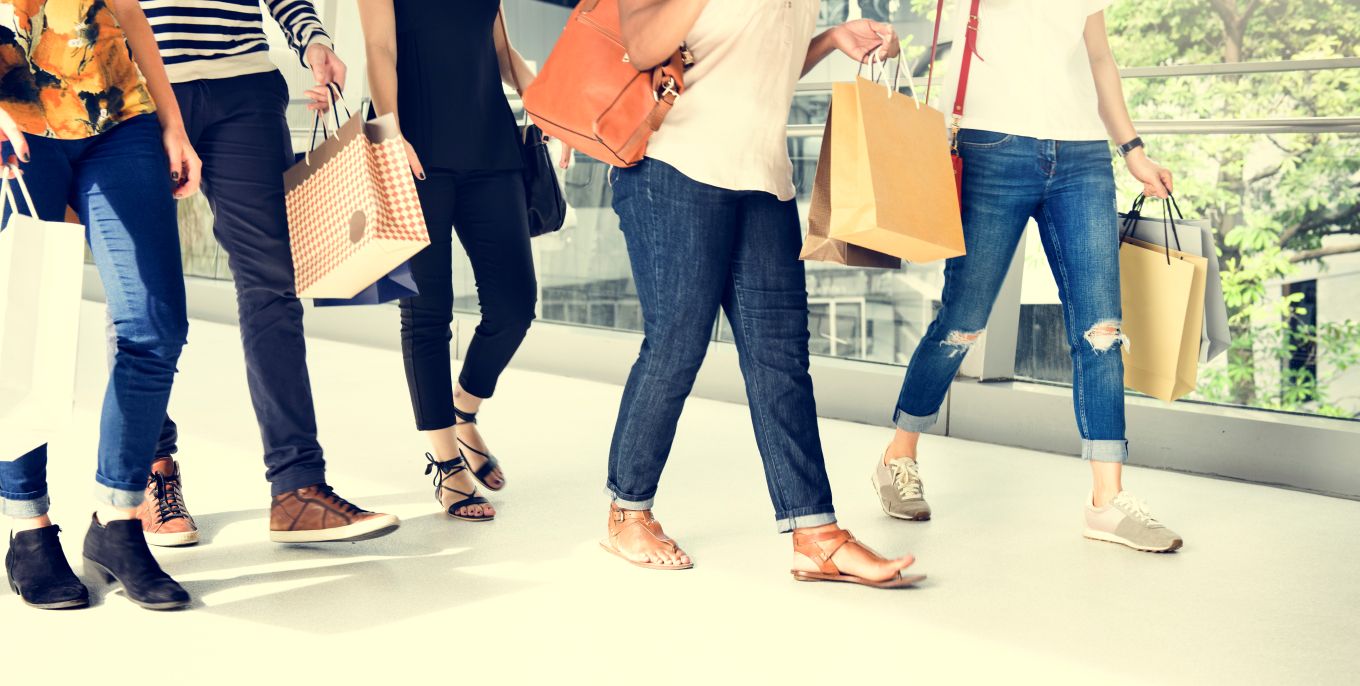
Overcoming the Retail Foot Traffic Battle
In today’s rapidly evolving retail landscape, attracting and maintaining foot traffic has become an increasingly complex challenge for businesses, especially in places like Riverside, California. With consumers increasingly turning to online shopping and facing a constant stream of distractions, brick-and-mortar stores must find innovative ways to stand out and capture attention. Riverside, with its growing population and blend of urban and suburban dynamics, presents both unique opportunities and challenges for retailers.
To succeed, businesses must go beyond traditional methods—leveraging personalized experiences, enhancing store designs, and embracing new technologies to engage shoppers. Whether it’s offering exclusive in-store events, integrating digital tools, or creating inviting, community-centered spaces, the key to boosting foot traffic lies in creating experiences that resonate with today’s consumers. In a competitive environment like Riverside, developing effective strategies to attract and retain foot traffic is crucial for long-term success and growth.
I’m Joe Stance, and with seventeen years of experience in commercial real estate in Riverside, I’ve witnessed firsthand how people have changed the way they shop and how this has transformed the industry. By understanding these dynamics, businesses can stay relevant and thrive as vital centers within our communities.
Stay tuned for a deeper dive into how retailers are overcoming these challenges.
Understanding the Retail Foot Traffic Battle
In retail, foot traffic is more than just a stream of customers. It's the lifeblood of the retail sector, directly influencing sales and revenue. As the retail landscape evolves, understanding the dynamics of foot traffic is crucial for retailers aiming to thrive.
The Importance of Foot Traffic
Foot traffic refers to the number of customers entering a store, serving as a critical indicator of a store's potential sales. While a bustling store often signals increased sales, the real key lies in the quality of the shopping experience. It's not simply about attracting large crowds; retailers must ensure they are creating an environment that encourages customers to make purchases and return for future visits. The challenge becomes even more complex as businesses navigate shifting consumer behaviors, evolving technological trends, and unpredictable macroeconomic conditions. To succeed, retailers must strike a balance between drawing customers in and delivering experiences that foster loyalty and drive sales.
Macroeconomic Conditions and Their Impact
Macroeconomic factors, such as inflation and consumer confidence, have a significant impact on foot traffic. When economic conditions are favorable, consumers are more likely to spend, boosting foot traffic. Conversely, during economic downturns, shoppers may tighten their belts, leading to a decline in store visits.
- Inflation: Rising prices can deter consumers from spending, affecting foot traffic negatively. Retailers need to be agile, offering promotions and value to entice budget-conscious shoppers.
- Consumer Confidence: When consumers feel secure about their financial future, they're more likely to visit stores. Retailers can capitalize on this confidence by providing engaging in-store experiences that encourage spending.
The Retail Sector's Response
In response to the challenges of fluctuating foot traffic, the retail sector has been adapting by embracing new strategies to engage customers both in-store and beyond. Many retailers are focusing on creating immersive, personalized shopping experiences that go beyond traditional transactions. This includes integrating technology such as mobile apps, in-store kiosks, and interactive displays to enhance customer engagement. Additionally, there’s a growing emphasis on community-focused events, exclusive promotions, and loyalty programs designed to build long-term relationships with shoppers. By blending convenience with compelling in-store experiences, retailers are striving to capture attention, drive foot traffic, and ultimately increase conversion rates in an increasingly competitive market.
- Smaller-Format Stores: Retailers like IKEA and Whole Foods are opening smaller-format stores in urban areas. These localized shopping experiences cater to nearby residents, making shopping more convenient and personalized.
- Improved In-Store Experiences: Offering product demos, events, and personalized services can make shopping memorable, encouraging repeat visits.
- Omnichannel Integration: By blending online and offline experiences, retailers can meet customers where they are, providing seamless shopping journeys that drive foot traffic.
The Impact of Economic Factors on Foot Traffic
Retail foot traffic is not solely driven by clever marketing or engaging in-store experiences—it is also heavily influenced by broader economic factors such as consumer confidence, inflation, and shifting spending habits. In Riverside, these dynamics are especially important as the region experiences growth and development while also facing challenges like rising costs and economic uncertainty. As consumers become more cautious in their spending, especially in times of inflation, retailers must understand how to navigate these economic shifts to maintain foot traffic.
In Riverside, where a mix of urban and suburban populations creates diverse consumer behaviors, staying attuned to local economic conditions is crucial for success. By recognizing the impact of these economic forces, retailers can adjust their strategies, ensuring they remain agile and continue to attract customers in an ever-changing retail environment.
Consumer Confidence
Consumer confidence plays a pivotal role in driving retail foot traffic. When consumers feel optimistic about the economy, they are more inclined to open their wallets and spend, often venturing out to stores in search of new products or experiences. Conversely, during times of economic uncertainty or when confidence takes a dip, shoppers tend to become more cautious, tightening their spending and avoiding discretionary purchases. This shift in behavior directly impacts foot traffic, as consumers are less likely to visit stores when they feel uncertain about their financial future. High consumer confidence typically translates into increased foot traffic because shoppers feel secure in their financial stability and are more willing to spend on non-essential items.
Conversely, during economic downturns, even stores offering great deals can see a drop in customers, as people prioritize essential purchases over leisure shopping. For retailers, understanding these patterns is essential, as it allows them to tailor their strategies and responses to fluctuating consumer sentiment, ensuring they remain competitive regardless of the broader economic climate.
Inflation
Inflation presents a complex challenge for retailers, acting as a double-edged sword. On one side, rising prices can lead to reduced consumer spending, as shoppers become more cautious and prioritize essential items over discretionary purchases. As prices rise, many consumers look for ways to cut costs, leading them to avoid stores or turn to discount retailers, sales, or online shopping for better deals. On the flip side, inflation can also create opportunities for certain retailers. As the cost of living increases, some consumers may choose to trade down from higher-end products to more affordable alternatives. This shift can benefit retailers who offer budget-friendly options or value-driven products, attracting shoppers who still want quality but at a lower price point.
For retailers, the key lies in understanding their target audience's shifting priorities and adapting to these changes—whether by offering more competitive pricing, introducing promotions, or emphasizing value in their products. In either case, staying attuned to consumer sentiment during inflationary periods allows businesses to adjust their strategies and capitalize on emerging opportunities.
Spending Habits
Shifts in consumer spending habits are a critical factor that retailers must consider to stay competitive. In today’s evolving marketplace, consumers are increasingly prioritizing both practicality and self-care, balancing their need for essential goods with occasional indulgences. Retailers can adapt by positioning themselves as a one-stop shop that caters to both of these needs—offering a combination of affordable, everyday items alongside premium or indulgent products. By providing both value and luxury, retailers can encourage customers to make multiple shopping trips, addressing different needs in a single visit. This approach not only aligns with changing consumer behavior but also helps drive consistent foot traffic, even during times of economic uncertainty.
When retailers offer a variety of price points and product categories, they not only attract a broader customer base but also keep shoppers engaged, whether they’re seeking practicality or treating themselves. In doing so, retailers can create a more resilient business model that thrives across different economic climates, capitalizing on the evolving preferences of today’s consumers.
Strategies to Increase Foot Traffic
To effectively increase foot traffic, retailers are employing a range of in-depth strategies that blend digital innovation with physical experiences to capture and retain customer attention. One of the most effective tactics is enhancing the in-store experience through personalization. Retailers are utilizing customer data and AI-driven technology to offer tailored recommendations, personalized discounts, or curated shopping experiences based on customer preferences and past purchases. This creates a sense of individual attention that encourages customers to return.
Interactive and experiential displays are also becoming a key part of the strategy. Retailers are creating immersive environments, such as augmented reality (AR) try-ons, interactive touchpoints, or live demonstrations of products, that turn shopping into an engaging experience rather than a transactional one. This not only boosts dwell time but also fosters emotional connections with the brand, which can lead to higher conversion rates.
In addition, digital marketing has become an indispensable tool in driving foot traffic. Social media platforms like Instagram, TikTok, and Facebook allow retailers to promote limited-time offers, in-store events, and new arrivals, generating excitement and urgency among followers. By using targeted ads and location-based marketing, retailers can reach customers who are near their store, delivering personalized messages that entice them to visit in person.
Another growing trend is integrating loyalty programs that blend both online and offline shopping. For instance, customers can earn points or rewards for both in-store purchases and online interactions. Retailers are also using these programs to offer exclusive perks, such as early access to sales, members-only events, or personalized shopping consultations, which create incentives for customers to visit frequently.
Pop-up shops and collaborations with local businesses or influencers are also powerful ways to attract new foot traffic. These partnerships can help generate buzz, creating a sense of exclusivity and excitement that draws crowds in. By hosting local events, workshops, or product launches, retailers can transform their stores into community hubs, increasing foot traffic while fostering a deeper connection with their customer base.
Lastly, the integration of convenience is critical. Offering services like click-and-collect (where customers order online and pick up in-store) or buy-online-pick-up-in-store (BOPIS) not only enhances the convenience factor but also drives foot traffic, as customers are more likely to make impulse purchases when they pick up their items in person.
By combining personalization, digital engagement, exclusive offers, and community-based initiatives, retailers can create a multifaceted strategy that not only attracts foot traffic but also keeps customers coming back.
Frequently Asked Questions about Retail Foot Traffic
What is foot traffic in retail?
Foot traffic refers to the number of people entering a store, mall, or specific location. It's a critical metric for retailers because higher foot traffic often leads to increased sales and revenue. However, simply having people walk through the door isn't enough. Retailers must offer attractive products and a positive shopping experience to convert these visitors into paying customers.
What businesses have the most foot traffic?
Businesses with high foot traffic typically include:
- Grocery Stores and Supermarkets: These locations see constant consumer flow due to the essential nature of their products.
- Clothing and Apparel Stores: Especially those that offer unique in-store experiences or exclusive products.
- Restaurants and Cafés: These are popular for social gatherings and quick meals, often situated in high-traffic areas.
- Discount Retailers: Stores like Dollar Tree and Dollar General attract value-conscious consumers, especially during economic downturns.
Retailers aiming to increase foot traffic should focus on creating seamless and engaging experiences that cater to their target audience's needs and preferences.
How Stance CRE Can Help You
Retail trends are constantly evolving, influenced by factors ranging from technological advancements to shifting consumer behaviors. As highlighted in our research, physical retail still accounts for a significant portion of sales, with 83.7% of all US retail sales projected to happen in physical locations this year. This underscores the importance of maintaining vibrant and engaging physical retail spaces.
Our approach at Stance Commercial Real Estate is to prioritize service over profit, ensuring that our clients receive the best guidance custom to their unique needs. Whether it's embracing smaller-format stores or integrating technology to improve the shopping experience, we provide strategic insights that help our clients thrive.
By focusing on local market conditions and trends, we equip our clients with the knowledge and tools they need to overcome the challenges of the retail foot traffic battle. With our expertise, retailers can create spaces that not only attract foot traffic but also convert visitors into loyal customers.
For more information on how we can assist you in navigating the retail real estate landscape, visit our services page. Let's work together to secure a prosperous future in the changing world of retail.
