

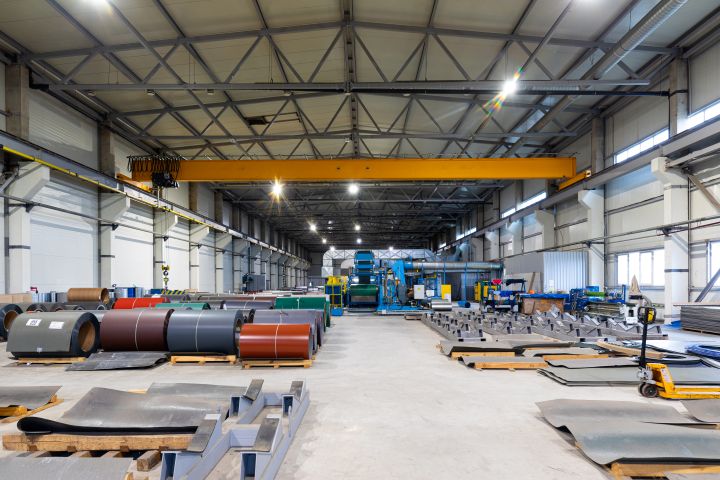
Understanding Industrial Real Estate
Choosing industrial real estate is a critical decision for businesses looking to expand or establish a presence in a new location. The right property can significantly impact operational efficiency, costs, and long-term success. However, finding the ideal industrial space involves evaluating several key factors that can affect everything from logistics to future growth potential. Understanding these factors is essential to making an informed choice that aligns with both current and future business needs. Whether you are considering warehouse space, manufacturing facilities, or distribution centers, each decision must be carefully weighed to ensure it supports the goals of your business.
I’m Joe Stance, bringing eighteen years of experience in industrial real estate within the Inland Empire. I have guided numerous companies through leasing and acquisitions, ensuring smart, strategic decisions. Let's explore the details so you can make informed choices in this thriving market.
Key Factors in Choosing Industrial Real Estate
Industrial real estate is a versatile and specialized segment of the commercial property market. Let's break it down into its core components to help you make informed investment decisions.
Types of Industrial Properties
Industrial properties are typically categorized based on their primary functions: manufacturing facilities, storage and distribution centers, and flex spaces. Each type of property serves a distinct purpose and is designed to meet specific business requirements. Manufacturing facilities are tailored for production and assembly operations, offering specialized spaces and infrastructure to support heavy machinery and production lines. Storage and distribution centers, on the other hand, focus on efficiently storing and moving goods, often located near major transportation hubs to facilitate quick access to markets. Flex spaces provide a versatile solution, offering a combination of office, storage, and light manufacturing areas that can be easily adapted to a variety of business needs. Understanding the nuances of each category is crucial in selecting the right property to match the unique requirements and growth trajectory of a business.
Manufacturing Facilities
Manufacturing facilities are where products come to life. They are divided into two main types: heavy manufacturing and light manufacturing.
- Heavy Manufacturing: These facilities are large, often exceeding tens of thousands of square feet. They require robust infrastructure to support heavy machinery, loading docks, and significant electrical power.
- Light Manufacturing: These are more flexible spaces, often smaller and easier to adapt for various tenants. They are ideal for light assembly and basic manufacturing processes.
Storage and Distribution
The rise of e-commerce has fueled demand for storage and distribution spaces. These properties are crucial for managing inventory and ensuring timely delivery to customers.
- Distribution Warehouses: These are busy hubs designed to meet the demands of same-day delivery services. They require vast spaces for stocking products and efficient loading docks for the constant flow of goods.
- Storage Warehouse Space: These are more general-purpose warehouses, often used for storing products that don't need frequent access. Cold storage facilities, for instance, serve niche markets by providing specialized refrigeration solutions.
- Truck Terminals: These serve as intermediate stops for transportation, focusing on vehicle storage and transfer rather than product storage.
Flex Space
Flex spaces combine office and industrial functions, offering businesses the flexibility to operate seamlessly from a single location. They typically allocate one-third of the space to offices, with the rest available for various industrial uses.
- Car Dealerships: Need a showroom and office space in one location to manage sales and paperwork efficiently.
- Data Centers: These are essential in the digital economy, housing servers and equipment that keep the internet running smoothly.
- Research Bases: Provide adaptable layouts and privacy for companies engaged in innovative projects.
Class Types of Industrial Real Estate
Industrial properties are also classified into three classes based on quality, age, and location: Class A, Class B, and Class C.
- Class A Industrial: These are the top-tier properties, often new and located in prime areas with high-quality infrastructure. They attract high-income tenants and offer low vacancy rates, making them ideal for preserving capital.
- Class B Industrial: These properties are usually older but still functional. They offer value-add opportunities through renovations and can yield good returns if located in desirable areas.
- Class C Industrial: Typically the oldest and least desirable, these properties require significant upgrades. However, they can be transformed into higher-value assets with the right investment and creativity.
Understanding these types and classes of industrial properties is crucial for making informed investment decisions. By recognizing the unique characteristics and potential of each, you can better align your choices with your financial goals.
Key Considerations for Choosing Industrial Real Estate
When investing in industrial real estate, there are several key factors to consider to ensure a successful investment. Let's explore the most important aspects: location strategies, zoning requirements, and property size.
Location Strategies
Choosing the right location for industrial real estate is crucial. It's not just about finding a good spot; it's about finding the right spot for your needs.
- Transportation Hubs: Industrial properties near major transportation hubs, like highways, railroads, and ports, offer significant advantages. They ensure efficient movement of goods, reducing transportation costs and delivery times. For example, the Inland Empire in California is a prime location for distribution centers due to its proximity to major highways and ports.
- Population Centers: Being close to population centers can be beneficial, especially for businesses involved in last-mile delivery. This location strategy is essential for companies looking to meet the growing demands of e-commerce, where fast delivery times are a competitive advantage.
Zoning Requirements
Understanding zoning requirements is essential when selecting an industrial property. Zoning laws dictate what can and cannot be done with a property.
- Industrial Zoning: Industrial properties are typically located in areas specifically zoned for industrial use. This ensures that the property can legally accommodate activities like manufacturing, warehousing, and distribution. Before purchasing, check the local zoning regulations to ensure your intended use is permitted.
- Building Codes: Compliance with building codes is crucial. These codes ensure that the property meets safety and structural standards. They can vary significantly between regions, so it's important to research the specific requirements in your area. Engaging with local authorities or a knowledgeable real estate agent can help steer these complexities.
Property Size
The size of the property should align with your business needs and future growth plans.
- Scalability: Consider whether the property can accommodate future expansion. If your business grows, you'll want the option to expand without relocating.
- Functionality: The layout and size should suit your operational needs. For example, a distribution center requires ample space for loading docks and storage, while a manufacturing facility may need large open areas for machinery.
Pros and Cons of Investing in Industrial Real Estate
Investing in industrial real estate can be a compelling opportunity, but like any investment, it has its upsides and downsides. Let's break down the key pros and cons.
Pros
1. Long-Term Leases
One of the biggest advantages of industrial real estate is the potential for long-term leases. Industrial tenants often sign leases that last several years, providing a stable and predictable income stream. This stability is a huge plus for investors looking for consistency in their returns.
2. High Rental Income
Industrial properties can generate high rental income. Many businesses are willing to pay a premium for well-located and functional industrial spaces. This is especially true in areas with high demand, such as the Inland Empire in California, known for its booming distribution centers.
3. Low Maintenance
Industrial buildings typically require less maintenance than commercial or residential properties. Since they are primarily used for storage, manufacturing, or distribution, the focus is on functionality rather than aesthetics. This means fewer costs and headaches for the property owner.
Cons
1. Risk of Vacancy
While industrial properties can be lucrative, they also come with a risk of vacancy. The market for industrial space is more niche, and finding new tenants can take time if a lease ends or a business shuts down. This can lead to periods without rental income, impacting your overall returns.
2. High Interest Rates
Financing industrial real estate can be expensive. Loans for these properties often come with higher interest rates compared to residential properties. This is because banks view them as riskier investments. As a result, the cost of borrowing can eat into your profits.
3. Obsolescence
The industrial market is constantly evolving. New technologies and regulations can render some properties obsolete if they can't adapt. For instance, a facility with low ceilings may not accommodate modern equipment, making it less attractive to potential tenants. It's crucial to choose properties with flexibility to withstand changes in the market.
Frequently Asked Questions about Industrial Real Estate
What drives demand for industrial real estate?
E-commerce and Supply Chain Optimization
The surge in e-commerce has been a major driver for industrial real estate. As online shopping grows, the need for warehouses and distribution centers skyrockets. Businesses aim to deliver products faster, which requires strategically located facilities near major transportation hubs.
Supply chain optimization is another key factor. Companies are rethinking their logistics to be more efficient and resilient. This means investing in industrial spaces that are well-connected and can support advanced technologies like automation.
Is industrial real estate risky?
Tenant Challenges and Property Obsolescence
Like any investment, industrial real estate has its risks. One major concern is tenant challenges. Industrial spaces can sit empty for longer periods if a tenant leaves, as finding a replacement might take time.
Property obsolescence is another risk. The industrial sector evolves rapidly, with new technologies and regulations emerging. A facility that can't adapt may become outdated. For example, older buildings might not accommodate modern equipment, making them less appealing to potential tenants.
How Stance CRE Can Help You
At Stance Commercial Real Estate, we understand that choosing the right industrial real estate is crucial for your business success. Our approach is rooted in local market expertise and a commitment to service over profit, making us your ideal partner in navigating the complexities of the industrial property landscape.
Local Market Expertise
Being based in Riverside, we have a deep understanding of the local market dynamics. This knowledge is not just about knowing the streets and buildings; it's about understanding the community's history, culture, and future developments. This insight allows us to offer advice custom to your specific needs, helping you make informed decisions.
Service Over Profit
Our philosophy is simple: we prioritize your needs over our profits. We believe that a successful transaction is not just about closing a deal but about building lasting relationships. Our team is dedicated to providing a seamless experience from start to finish, ensuring that you feel supported every step of the way.
Whether you're looking to invest in a warehouse, distribution center, or flex space, we're here to guide you. Our commitment to transparency, communication, and integrity ensures that you're not just investing in a property, but in a community that aligns with your business goals.
Ready to explore the opportunities in the industrial real estate market? Let us help you find the perfect property that meets your needs. Visit our services page to learn more about how we can assist you in making strategic investments that drive growth and success.
