


Local Market Knowledge Matters in Commercial Real Estate
Commercial real estate is often discussed in terms of square footage, lease rates, property values, and investment returns. While those metrics are important, they only tell part of the story. The most successful commercial real estate decisions are often driven by something less obvious but equally valuable: local market knowledge.
Every market has its own personality, economic drivers, development patterns, business culture, and community relationships. What works in one city may fail in another, even when demographics appear similar on paper. That is particularly true in Riverside, California, where commercial real estate opportunities are shaped by a unique blend of growth, community connection, logistics infrastructure, higher education, healthcare expansion, and entrepreneurial spirit.
For business owners, investors, landlords, and tenants evaluating opportunities in Riverside County, understanding the local market can mean the difference between securing a property that supports long-term success and choosing a location that creates unnecessary challenges. At Stance CRE, we have built our reputation on knowing Riverside from the inside out. Our experience across virtually every asset class allows us to provide insights that go far beyond property listings and market reports.
Riverside Is a Large City That Still Feels Like a Small Town
One of the most interesting characteristics of Riverside is its ability to combine the advantages of a major metropolitan area with the atmosphere of a close-knit community. Riverside is one of the largest cities in California, yet many business owners describe it as feeling more like a small town where relationships still matter.
Unlike larger urban markets where transactions often feel purely transactional, Riverside business owners frequently rely on local referrals, community involvement, and long-standing relationships. Commercial tenants and investors who understand this dynamic often find greater success because they become part of the community rather than simply occupying space within it.
The city’s historic downtown district, established neighborhoods, growing business corridors, and family-owned enterprises create a market environment that is different from neighboring regions. A business location that looks ideal based solely on traffic counts or demographics may perform differently depending on its connection to the local community and surrounding businesses.
The Inland Empire Is Not One Market
Many people outside Southern California refer to the Inland Empire as if it were a single market. In reality, it is a collection of distinct communities, each with its own economic drivers, customer behaviors, and commercial real estate opportunities.
Riverside differs significantly from cities such as Ontario, Rancho Cucamonga, San Bernardino, and Moreno Valley. While all are part of the broader Inland Empire, each market attracts different industries, workforce demographics, and development patterns.
Riverside benefits from a diverse economy supported by education, healthcare, government services, logistics, professional services, retail, and technology-related businesses. The presence of institutions such as University of California, Riverside continues to influence workforce development, innovation, and business growth throughout the city.
According to data published by the City of Riverside Economic Development Department, Riverside continues to attract investment through strategic infrastructure improvements, business-friendly initiatives, and ongoing redevelopment efforts. These factors contribute to long-term commercial real estate demand and create opportunities across multiple property sectors.
Understanding how Riverside differs from neighboring cities helps investors and tenants make more informed decisions when evaluating commercial real estate market opportunities throughout the region.
Location Means More Than an Address
One of the most common misconceptions in commercial real estate is that all locations within a city perform similarly. In Riverside, small geographic differences can have a significant impact on property performance.
For example, Downtown Riverside offers a different business environment than Canyon Crest, La Sierra, Arlington, Orangecrest, or the industrial corridors near major transportation routes. Customer demographics, traffic patterns, visibility, parking expectations, and surrounding tenant mixes can vary dramatically from one area to another.
A retailer searching for retail space may need a completely different location strategy than a professional services firm looking for office space in Riverside. Similarly, a logistics company evaluating industrial property for sale will prioritize factors that may have little relevance to a healthcare practice or restaurant operator.
Successful site selection requires understanding not only current market conditions but also future development plans, infrastructure improvements, and neighborhood trends. This type of insight often comes from years of local experience rather than simply reviewing online property data.
Riverside’s Logistics Advantage Creates Unique Opportunities
Few regions have experienced the level of industrial growth seen throughout the Inland Empire. Riverside benefits from its strategic location near major transportation corridors, ports, rail networks, and population centers.
The continued expansion of e-commerce has increased demand for warehouses, distribution facilities, and industrial properties throughout Riverside County. Reports from the NAIOP Research Foundation consistently highlight the growing importance of logistics infrastructure in Southern California markets.
However, industrial growth affects more than warehouse users. Increased logistics activity influences land values, workforce availability, retail demand, housing growth, transportation planning, and commercial development throughout the region.
Local market knowledge helps identify emerging industrial opportunities before they become widely recognized by outside investors.
Understanding Riverside’s Development Trends
Commercial real estate decisions should never focus solely on current conditions. The best opportunities often emerge from understanding where a market is heading rather than where it has been.
Riverside continues to experience strategic redevelopment, infrastructure improvements, and business expansion. Areas that may have been overlooked years ago are now attracting significant attention from investors, developers, and business owners.
Projects involving adaptive reuse, mixed-use development, healthcare expansion, and commercial corridor revitalization continue reshaping portions of the city. As a result, opportunities frequently emerge in locations that may not appear attractive based on historical performance alone.
Investors evaluating investment properties, commercial land, or commercial property acquisition opportunities benefit from understanding how these long-term trends could influence future property values and tenant demand.
The ability to recognize these shifts early is one of the primary advantages of working with professionals who actively monitor local market activity every day.
Relationships Still Matter in Riverside Commercial Real Estate
Technology has made property information more accessible than ever before. Yet some of the most valuable opportunities in commercial real estate never appear on public listing platforms.
Relationships remain an important part of the Riverside business community. Local brokers, property owners, developers, lenders, attorneys, contractors, and business leaders often share information that provides valuable context beyond what can be found online.
Understanding landlord preferences, upcoming vacancies, redevelopment plans, tenant expansion activity, and neighborhood dynamics frequently requires direct involvement within the community. These insights can significantly influence negotiation strategies and site selection decisions.
This relationship-driven environment is another reason Riverside continues to feel different from larger metropolitan markets. Business owners who understand the importance of local connections often gain advantages that extend well beyond a single transaction.
Why General Market Reports Are Not Enough
National commercial real estate reports provide useful information about economic trends, interest rates, and industry performance. However, they rarely capture the nuances that influence individual property decisions within Riverside.
A national report may indicate strong demand for office space, retail properties, or industrial assets. What it cannot explain is how those trends specifically affect a particular Riverside neighborhood, business corridor, or commercial district.
Similarly, market averages can sometimes hide important local realities. Two properties may appear similar on paper yet perform very differently because of factors such as accessibility, visibility, surrounding businesses, traffic flow, or community perception.
The most effective commercial real estate decisions combine market data with firsthand local expertise.
Frequently Asked Questions
Commercial real estate clients frequently have questions about how local market conditions influence their decisions. The following answers address some of the most common concerns.
Why is local market knowledge so important in commercial real estate?
Local market knowledge helps identify factors that may not appear in standard reports, including neighborhood trends, development plans, traffic patterns, business relationships, and future growth opportunities. These details often influence property performance more than broader market statistics.
Is Riverside a good market for commercial real estate investment?
Riverside offers a diverse economic base supported by logistics, healthcare, education, government services, retail, and professional industries. This diversity creates opportunities across multiple property sectors while helping reduce dependence on any single industry.
How does Riverside differ from other Inland Empire cities?
Riverside combines strong economic growth with a community-oriented atmosphere. While it is a major city, many business owners appreciate its small-town feel, strong local relationships, historic character, and balanced mix of commercial property types.
What types of commercial properties are most common in Riverside?
Riverside offers a wide variety of opportunities, including retail space, office space, medical offices, industrial facilities, investment properties, commercial land, mixed-use developments, and specialty commercial buildings.
How Stance CRE Can Help You
Commercial real estate success starts with understanding the market at a local level. While online platforms can provide property information, they cannot replace firsthand knowledge of Riverside’s neighborhoods, business community, growth patterns, and commercial opportunities. That is where Stance CRE provides a meaningful advantage.
We are not simply commercial real estate brokers operating in Riverside County. We are locals who live, work, and invest in the communities we serve. Inland Empire business owners, investors, landlords, and tenants trust us to stay informed on the latest developments affecting the region’s commercial real estate landscape. Because we have sold or leased nearly every type of commercial property throughout Riverside, we bring practical experience that extends across retail, office, industrial, medical, land, and specialty asset classes.
Successful business owners take calculated risks to bring their vision to life. Joe and Heidi Stance embraced that philosophy when they launched Stance Commercial Real Estate in 2018 with a mission to improve the commercial real estate experience. If you are considering your next commercial real estate move in Riverside County, contact Stance CRE today at 909-772-1212 to discuss your goals and discover opportunities that align with your long-term success.

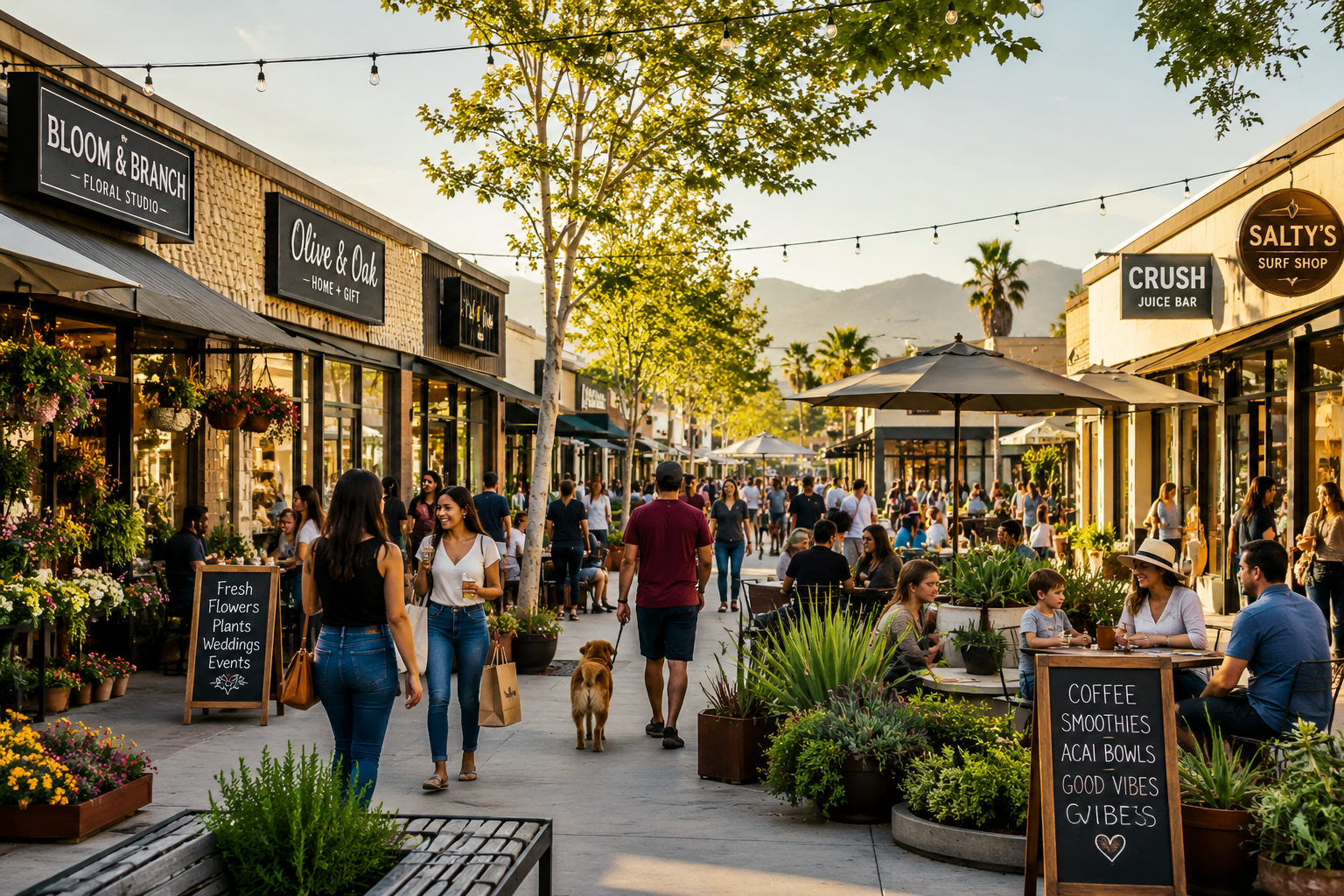
How Retail Centers Can Thrive Without National Tenants
How Retail Centers Can Thrive Without National Tenants
For decades, many shopping center owners believed that success depended on landing a major national retailer. Big-box anchors, national restaurant chains, and recognizable corporate brands were often viewed as the foundation of stable commercial real estate performance. However, retail patterns are changing across California and especially throughout Riverside County. Today, many successful retail centers are proving that a property can generate strong traffic, tenant stability, and long-term value without relying on national tenants at all.
Across the Inland Empire, consumers increasingly prioritize convenience, experience, authenticity, and community connection over brand familiarity alone. That shift has created new opportunities for landlords, developers, and investors who understand how to build retail environments that reflect local demand. In many cases, smaller independent tenants can outperform large chains in customer loyalty, flexibility, and neighborhood engagement.
This trend is especially important in areas like Riverside, where local entrepreneurship continues to grow alongside population expansion and infrastructure investment. Retail property owners who adapt to these changing dynamics may find themselves in a stronger position than landlords who continue chasing only traditional anchor tenants. The modern commercial real estate market rewards adaptability, thoughtful tenant mix strategies, and properties that create repeat consumer engagement.
Why National Tenants Are No Longer the Only Path to Stability
National retailers still play an important role in many shopping centers, but they are no longer the automatic solution for long-term retail success. In recent years, major chains have reduced physical footprints, closed underperforming stores, and shifted resources toward e-commerce fulfillment. Modern consumers increasingly blend online shopping with localized in-person experiences, changing the role that retail centers play within communities.
That shift has opened the door for independent operators and regional businesses to thrive in spaces that were once dominated by national brands. Smaller tenants often understand neighborhood demographics better than corporate chains because they are deeply connected to the surrounding community. A locally owned coffee shop, boutique fitness studio, specialty grocer, or family-operated restaurant may generate stronger repeat traffic than a national tenant with little local identity.
Another major factor is flexibility. National retailers often require lengthy negotiations, extensive tenant improvement packages, strict site requirements, and long approval timelines. Local tenants can frequently move faster and adapt more easily to changing market conditions. For landlords, this flexibility may reduce downtime and create opportunities to diversify risk across multiple tenant categories rather than relying heavily on one large anchor.
In Riverside County, where neighborhoods continue evolving rapidly, smaller businesses are helping shape retail corridors with distinct personality and community appeal. Retail centers that embrace this shift can position themselves as destination-oriented properties rather than simply transactional shopping locations.
The Power of Community-Oriented Tenant Mixes
One of the most effective ways retail centers succeed without national tenants is through strategic tenant curation. A successful center is rarely built around random occupancy. Instead, thriving properties intentionally combine complementary businesses that encourage repeat visits and longer dwell times.
For example, a neighborhood retail center in Riverside might combine a locally owned fitness studio, an independent coffee shop near Downtown Riverside, a family-run salon, a boutique clothing retailer, an after-school tutoring center, and a specialty taco or dessert concept that draws evening crowds. Each business serves a different purpose while contributing to consistent customer traffic throughout the day. Parents dropping children off for tutoring may stop for coffee, gym members may grab lunch nearby after a workout, and evening restaurant visitors often create additional exposure for neighboring shops. This type of locally connected tenant mix creates a self-reinforcing ecosystem that benefits every business in the center while helping the property feel more integrated into the Riverside community.
Retail property owners who focus on experience-driven businesses often see stronger resilience during economic shifts because experiential tenants are less vulnerable to direct online competition. Restaurants, wellness concepts, medical services, beauty businesses, entertainment venues, and specialty retailers all provide services that consumers still prefer to access in person.
The Inland Empire continues seeing growth in mixed-use and community-centered developments. Many consumers want shopping environments that feel approachable and locally connected rather than overly corporate.
Well-designed tenant mixes also improve overall property identity. Instead of depending on one anchor tenant for visibility, the center itself becomes the attraction. This branding strategy can create stronger long-term asset value and improve retention among tenants who benefit from the surrounding synergy.
Creating Foot Traffic Without a Big-Box Anchor
One of the biggest concerns property owners have is whether a retail center can maintain foot traffic without a national anchor. The answer is yes, but it requires intentional planning and operational consistency.
Modern foot traffic is generated differently than it was twenty years ago. Consumers now prioritize convenience, walkability, unique experiences, and social interaction. Centers that succeed today often emphasize outdoor gathering areas, attractive storefront design, visibility, accessibility, and experiential retail offerings rather than relying solely on a department store anchor.
Retail centers can increase visitation through community events, seasonal programming, farmers markets, fitness pop-ups, live entertainment, and partnerships with local organizations. These activities create emotional engagement with the property itself. Consumers are more likely to revisit spaces that feel active and connected to the surrounding community.
The rise of hybrid work has also reshaped consumer movement patterns. More people now spend time near residential neighborhoods during traditional work hours. According to The Urban Land Institute, neighborhood-serving retail and mixed-use developments continue gaining importance as work and lifestyle patterns evolve.
This trend benefits smaller retail centers throughout Riverside County. Areas that once depended heavily on commuter traffic may now support stronger daytime business activity because residents spend more time locally. Retail property owners who understand these behavioral changes can reposition centers to capture consistent neighborhood traffic.
Local Businesses Often Build Stronger Customer Loyalty
Independent businesses frequently create deeper customer relationships than national chains because they rely heavily on reputation and repeat local support. Consumers often appreciate personalized service, unique offerings, and authentic business stories that corporate retailers struggle to replicate consistently.
In Riverside, many residents value businesses that feel connected to the local community. The city has a distinctive balance of growth and familiarity. While the Inland Empire continues expanding rapidly, Riverside still maintains many neighborhood-oriented characteristics that encourage community engagement. That creates opportunities for retail centers focused on local identity and service-oriented tenants.
Smaller operators are also often more engaged in grassroots marketing efforts. They actively promote events, collaborate with neighboring businesses, and participate in local community initiatives. These activities indirectly benefit the entire shopping center by increasing visibility and customer engagement.
Additionally, many local tenants are willing to adapt quickly to customer preferences. Independent operators can modify menus, store layouts, inventory, and service models much faster than corporate chains that require approval through multiple layers of management. That adaptability helps retail centers remain relevant as consumer behavior changes.
Leasing Strategies That Support Long-Term Success
Retail centers without national tenants require leasing strategies focused on balance, flexibility, and sustainability. Landlords should avoid overconcentrating any single business category while maintaining enough complementary uses to support consistent traffic patterns.
One important consideration is lease structure. Different tenant categories may require different approaches depending on business maturity, buildout costs, and operational stability. Understanding commercial real estate lease agreement structures, including triple net lease arrangements and flexible occupancy strategies, can help landlords create more resilient tenant rosters.
Property owners should also carefully evaluate tenant quality beyond financial statements alone. Operational experience, community involvement, branding strength, customer reviews, and long-term business vision can all influence tenant success. A smaller operator with strong local support may outperform a larger tenant with declining sales trends.
Another key strategy involves maintaining flexibility in unit sizes. Demand for small commercial space, boutique retail suites, and adaptable storefront layouts continues growing across many California markets. Smaller spaces may allow landlords to attract more diverse tenants while reducing exposure to large vacancies.
Retail landlords should also invest in property presentation and maintenance. Clean landscaping, visible signage, updated facades, lighting improvements, and functional parking areas all influence leasing performance. Even without national tenants, a professionally maintained center can attract strong operators and encourage customer confidence.
Why Riverside County Is Positioned Well for Independent Retail Growth
Riverside County offers a particularly favorable environment for retail centers built around regional and local tenants. Population growth, housing development, infrastructure investment, and continued economic diversification are helping support new consumer demand throughout the Inland Empire.
According to data from the California Department of Finance, Inland Empire communities continue experiencing significant population growth compared to many other California regions. More residents create more demand for neighborhood-serving retail, dining, healthcare, wellness, and service-oriented businesses.
Riverside itself has become increasingly attractive because it offers many advantages of a larger metropolitan area while maintaining a more approachable and community-oriented atmosphere. Residents often appreciate that they can still support local businesses while benefiting from ongoing development and modernization. That balance creates strong potential for community-focused retail environments.
The city’s ongoing infrastructure improvements and revitalization projects continue strengthening commercial corridors throughout the region. Retail centers positioned near residential growth zones, educational institutions, healthcare hubs, and mixed-use developments may benefit significantly from these long-term trends.
Additionally, many entrepreneurs are looking beyond coastal California markets due to cost pressures and operational challenges. Riverside County provides opportunities for businesses seeking accessible commercial space, growing consumer bases, and relatively favorable operating conditions compared to more saturated urban markets.
Frequently Asked Questions
Retail property owners, investors, and tenants often have questions about operating shopping centers without national anchor tenants. As retail behavior continues evolving, understanding these trends can help commercial property stakeholders make more informed decisions.
What types of local businesses perform best in retail centers?
Businesses that provide recurring services or experiential offerings often perform well. Examples include fitness studios, salons, coffee shops, restaurants, childcare providers, medical offices, pet services, tutoring centers, and specialty food concepts. These tenants encourage repeat visits and community engagement.
Are local tenants riskier than national retailers?
Not necessarily. While national retailers may appear financially stronger, many corporate chains are reducing store counts or restructuring operations. Strong local operators with loyal customer bases and adaptable business models may provide long-term stability when properly vetted.
How can landlords attract better local tenants?
Property presentation, flexible lease structures, visibility, parking access, and strong property management all influence tenant attraction. Retail landlords who actively market their properties, maintain attractive centers, and understand local business needs are often better positioned to secure quality tenants.
How Stance CRE Can Help You
At Stance CRE, we understand that retail success in Riverside County no longer depends entirely on national tenants. The Inland Empire continues evolving into one of California’s most dynamic business regions, and property owners who adapt to these changing retail patterns may uncover significant long-term opportunities. Our team helps clients evaluate how tenant mix, location strategy, lease structures, and market positioning align with broader investment and operational goals.
Because we are local to the region, we understand the neighborhoods, traffic patterns, growth corridors, and consumer behaviors shaping the Riverside commercial real estate landscape. We have worked with business owners, investors, landlords, and tenants across nearly every commercial property category throughout the city of Riverside and surrounding Inland Empire communities. When people ask what product type we specialize in, we often answer simply: Riverside.
Joe and Heidi Stance launched Stance Commercial Real Estate in 2018 with a vision to improve the commercial real estate experience for Inland Empire clients. Today, we continue helping business owners, investors, and tenants identify the right opportunities throughout Riverside County. If you are exploring retail leasing, investment, or redevelopment opportunities, contact Stance CRE at 909-772-1212 to discuss how we can help you position your property for long-term success.
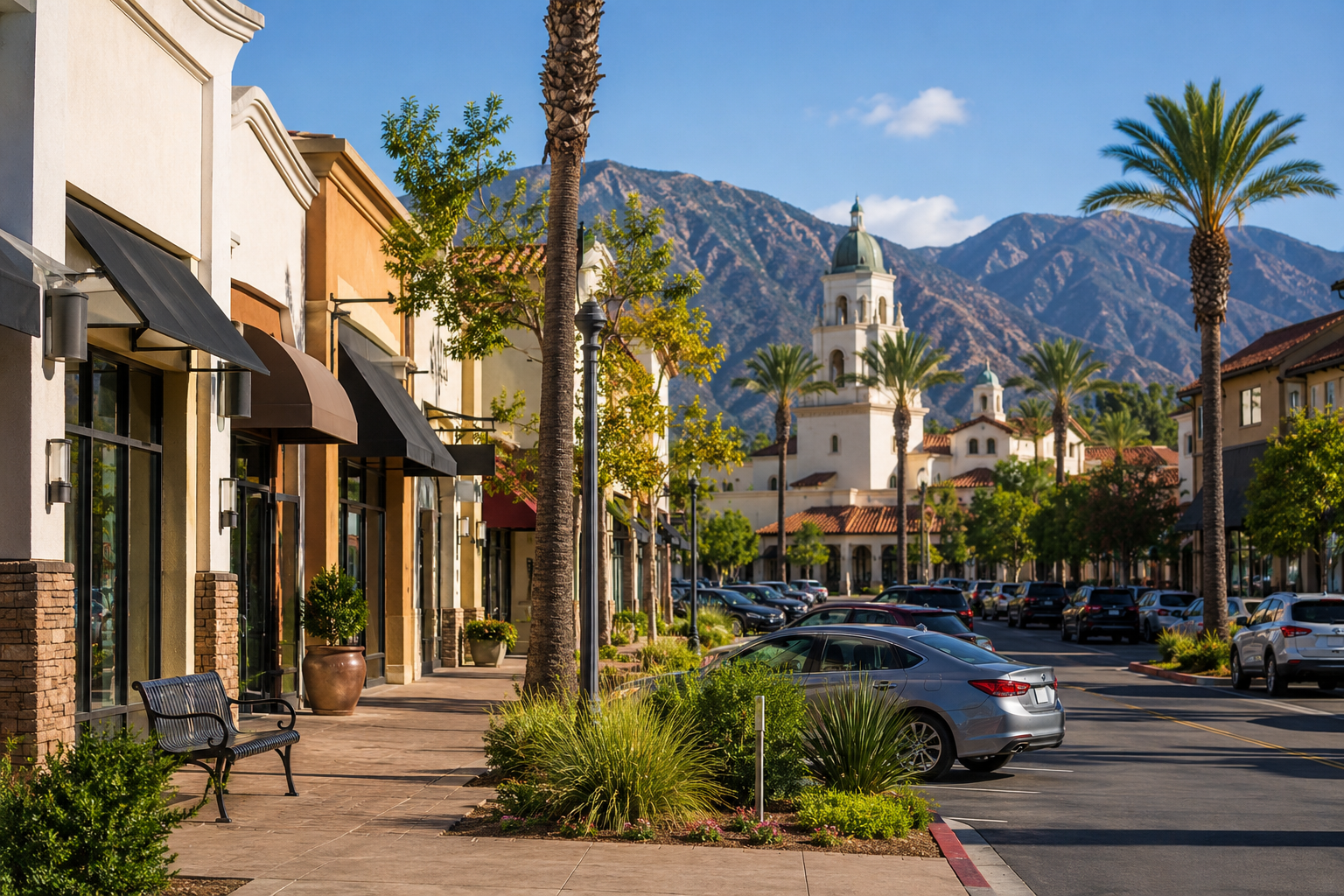
Why Small-Format Retail Is Growing Faster Than Big Boxes in Riverside County
Retail real estate in Riverside County is evolving quickly. While large-format retailers and traditional big box stores still play an important role in the Inland Empire economy, there has been a noticeable shift toward smaller, more flexible retail spaces. Across Riverside, Moreno Valley, Corona, Eastvale, Jurupa Valley, and surrounding communities, demand for compact storefronts, neighborhood retail centers, and service-oriented commercial properties continues to accelerate.
This trend is reshaping the local commercial real estate landscape. Business owners are prioritizing efficiency, visibility, convenience, and lower occupancy costs over massive footprints. Investors are recognizing the stability of smaller retail assets, particularly in high-growth trade areas with strong residential expansion. At Stance CRE, we continue to see increased interest in retail space, small commercial space, and Riverside space for lease opportunities from both local entrepreneurs and expanding regional operators.
The Inland Empire has become one of the fastest-growing regions in Southern California, supported by population growth, industrial development, logistics expansion, and infrastructure investment. According to the U.S. Census Bureau’s population data for Riverside County, the county continues to add residents at a pace that fuels retail demand across multiple sectors. As neighborhoods expand outward, smaller retail centers are often the first commercial developments to follow residential growth.
Riverside has a unique balance that many growing Southern California cities struggle to maintain. It is large enough to support major retailers, distribution hubs, and expanding commercial corridors, but many neighborhoods still maintain a community-oriented atmosphere where local businesses build loyal customer bases through personal relationships and repeat foot traffic. That combination continues to attract both residents and business owners looking for long-term stability.
The Shift Away From Traditional Big Box Retail
For decades, big box retail dominated commercial corridors throughout Southern California. Large national chains sought expansive footprints with massive parking fields and regional trade area draw. While those properties still serve a purpose, consumer behavior has changed significantly over the last several years.
Modern shoppers prioritize convenience and speed. Consumers increasingly prefer quick-stop retail experiences closer to home instead of driving across town to massive shopping centers. This shift has increased demand for neighborhood retail centers, multi-tenant storefronts, and strategically positioned small-format retail properties. Businesses that provide food service, healthcare, beauty, fitness, financial services, and specialty retail are thriving in compact commercial spaces with strong local visibility.
At the same time, rising construction costs and higher operating expenses have made oversized retail footprints less practical for many tenants. Smaller suites allow businesses to reduce overhead while maintaining prime locations. This has created strong demand for commercial space for rent throughout Riverside County.
E-commerce has also played a major role in the evolution of retail real estate. Many retailers no longer need extensive showroom inventory because online ordering now supports hybrid business models. Instead of maintaining 40,000-square-foot stores, many operators are finding success in efficient 1,000- to 5,000-square-foot spaces that function as both customer-facing retail environments and fulfillment hubs.
Why Riverside County Is Ideal for Small-Format Retail Growth
Riverside County offers a unique environment that supports small-format retail expansion. The region combines rapid residential growth, strong transportation infrastructure, and relatively affordable commercial real estate compared to coastal Southern California markets.
Communities throughout the Inland Empire continue to attract families and businesses seeking more space and lower costs. As new housing developments emerge, retailers follow closely behind. Smaller retail centers often become the backbone of these growing communities because they can be developed more quickly and adapted to changing tenant demand.
One reason smaller retail concepts perform so well in Riverside is the local consumer mindset. Many residents prefer supporting businesses that feel connected to the community rather than overly corporate retail environments. Whether it is a neighborhood coffee shop, family-owned restaurant, boutique fitness studio, or specialty service provider, consumers in Riverside often appreciate businesses that become part of the daily rhythm of the area.
The City of Riverside has also continued investing in economic development initiatives and infrastructure improvements that support commercial activity. The City of Riverside Economic Development resources outline ongoing efforts to encourage business growth, redevelopment, and commercial investment throughout the city.
Riverside itself offers an interesting blend of growth and familiarity. The city continues expanding commercially, yet many areas still carry a small-town feel where business owners regularly know their customers by name. That environment creates strong opportunities for retailers focused on customer experience and long-term community presence.
Lower Risk and Greater Flexibility for Tenants
One of the biggest drivers behind small-format retail growth is operational flexibility. Businesses are becoming more strategic with real estate decisions and are placing greater emphasis on adaptability.
Large-format leases often involve significant upfront costs, including tenant improvements, operating expenses, staffing requirements, and inventory commitments. Smaller retail spaces reduce financial exposure while allowing businesses to remain agile in changing economic conditions.
This flexibility is especially important in today’s business climate. Consumer preferences continue to evolve rapidly, and many retailers want the ability to adjust layouts, services, and inventory strategies without being locked into oversized properties.
Small-format retail also creates stronger opportunities for experiential retail concepts. Businesses can focus on customer interaction, personalized service, and community engagement instead of simply maximizing square footage. This has become particularly valuable for food operators, wellness businesses, boutique retailers, and specialty service providers.
Another advantage is reduced vacancy exposure for landlords. Smaller suites typically lease faster than large vacant anchor spaces. In many Riverside County shopping centers, landlords are actively repositioning properties by subdividing former large-format spaces into multiple smaller tenant suites that appeal to modern retail demand.
The Rise of Service-Oriented Retail
Service-oriented retail has become one of the strongest drivers of small-format commercial leasing activity throughout the Inland Empire. Unlike traditional retailers that compete heavily with e-commerce, service-based businesses depend on physical locations close to consumers.
Medical offices, dental practices, beauty salons, fitness studios, pet services, tutoring centers, financial firms, and food operators all rely on convenience and accessibility. These businesses typically perform exceptionally well in neighborhood retail environments with strong daily traffic patterns.
The Inland Empire’s population growth supports this trend. As more residents move into Riverside County communities, demand increases for localized services that reduce travel time and improve convenience. Smaller retail centers positioned near residential neighborhoods are ideally suited to meet these needs.
This shift has also created opportunities for mixed-use development. Developers increasingly integrate retail storefronts into residential projects, allowing service businesses to operate directly within growing communities. These projects often outperform isolated large-format retail developments because they create built-in customer bases and consistent foot traffic.
Consumer Habits Continue to Favor Convenience
Consumer behavior remains one of the strongest forces driving small-format retail growth. Shoppers today prioritize efficiency and accessibility more than ever before. Many consumers now combine online shopping with local service-based purchasing habits. Instead of spending entire afternoons in regional shopping malls, customers increasingly visit nearby retail centers for quick transactions and essential services.
This trend has benefited businesses located in neighborhood shopping centers, freeway-adjacent retail pads, and mixed-use commercial developments. Retailers positioned near residential communities often experience stronger recurring customer traffic because convenience influences repeat visitation.
Restaurants, coffee concepts, specialty food operators, fitness brands, and healthcare users all benefit from proximity-based consumer behavior. Businesses that operate in compact retail environments can often achieve strong sales productivity with far less square footage than traditional retail models required in previous decades.
Drive-thru capabilities, curbside pickup infrastructure, and walkable mixed-use environments have also become increasingly important site selection factors. Smaller-format retail properties can often accommodate these modern operational preferences more effectively than aging big box centers.
In many Riverside neighborhoods, convenience is not only about proximity. Consumers also value familiarity. Smaller retail centers often create a more approachable experience where customers can quickly stop in, interact with local business owners, and feel connected to the surrounding community. That type of environment is increasingly difficult to replicate in larger regional shopping centers.
Riverside County’s Future Retail Landscape
The future of retail real estate in Riverside County will likely continue moving toward flexibility, convenience, and localized consumer engagement. While major shopping centers and large-format retailers will remain part of the commercial landscape, small-format retail is positioned for sustained growth.
Developers, investors, and tenants are adapting to changing market realities by prioritizing efficient layouts, strategic locations, and mixed-use integration. Communities throughout the Inland Empire continue expanding, creating long-term demand for neighborhood-serving retail properties.
Retail success today is less about operating the largest space and more about maximizing functionality, accessibility, and customer experience. Businesses that understand these shifts are positioning themselves more effectively for long-term growth.
Part of what makes Riverside County appealing for commercial real estate investment is that the region still feels accessible and relationship-driven despite its rapid growth. Businesses can scale here while still maintaining the local presence and community connection that many customers value today.
Frequently Asked Questions
Small-format retail continues to generate questions from business owners, investors, and tenants throughout Riverside County. Understanding how these properties function within today’s commercial real estate environment can help businesses make more strategic decisions regarding leasing, expansion, and investment opportunities.
What qualifies as small-format retail space?
Small-format retail typically refers to retail suites ranging from several hundred square feet up to approximately 5,000 square feet. These spaces are commonly located within neighborhood shopping centers, mixed-use developments, retail pads, or multi-tenant commercial properties. Examples include coffee shops, salons, boutique fitness studios, medical users, and specialty retailers.
In Riverside County, many businesses searching for small commercial space or 1000 sq ft commercial space for rent are seeking flexible retail environments that offer strong visibility and manageable operating costs.
Why are small retail spaces outperforming big box stores?
Smaller retail spaces often provide lower operating costs, greater flexibility, and stronger alignment with modern consumer behavior. Customers increasingly prioritize convenience and proximity, which benefits neighborhood retail centers and service-oriented businesses.
Additionally, many retailers no longer require massive showroom footprints because e-commerce supports hybrid operational models. Businesses can maintain smaller customer-facing spaces while still serving broader markets through online sales and delivery infrastructure.
Are small-format retail properties good investments in Riverside County?
Many investors view small-format retail centers as attractive investments because they often provide diversified tenant mixes and reduced vacancy risk compared to large single-tenant retail properties. Riverside County’s continued residential and economic growth also supports long-term retail demand across many submarkets. Neighborhood retail properties with service-oriented tenants frequently demonstrate strong occupancy stability because these businesses rely heavily on local customer accessibility.
What types of businesses perform best in small-format retail spaces?
Service-oriented businesses tend to perform particularly well in smaller retail environments. This includes restaurants, coffee shops, healthcare providers, beauty services, fitness studios, financial services, pet services, and specialty retail operators.
Businesses that benefit from recurring local traffic patterns and convenience-based consumer behavior are often excellent candidates for retail space for lease opportunities throughout Riverside County.
How Stance CRE Can Help You
Stance CRE supports commercial real estate clients by providing clear guidance on how lease structures, addendums, and amendments align with their broader business and investment objectives. This approach begins with a careful review of financial goals, operational needs, risk tolerance, and long-term flexibility, ensuring that contract decisions support growth rather than create unintended constraints. Instead of promoting one-size-fits-all solutions, Stance CRE emphasizes education, transparency, and strategic alignment at every stage of the transaction.
With deep expertise in Riverside County and the surrounding commercial markets, the Stance CRE team brings local insight and practical experience to each client engagement. From initial site selection to lease negotiation and ongoing contract modifications, Stance CRE helps businesses navigate complex agreements with confidence and clarity. Whether securing a first location or optimizing an existing portfolio, the focus remains on protecting client interests while positioning them for sustainable success in a dynamic commercial environment.
At Stance CRE, we understand the importance of fostering strong relationships between communities and small businesses. We are not only working in Riverside; we live here and actively support the growth of the local economy. Our commitment to the community ensures that both property owners and business operators have the resources and insights necessary to thrive.
Call us today at (909) 772-1212 and let us help you determine the best approach for supporting your business while contributing to a stronger, more connected community.
Get started with a strategic consultation at Stance Commercial Real Estate

The First 10 Minutes of a Property Tour Decide Everything—Here’s What Actually Matters
In commercial real estate, decisions are often framed as analytical, data-driven, and methodical. Lease terms, financial projections, and operational fit all play critical roles. However, what is frequently underestimated is how quickly a decision begins to take shape. Within the first ten minutes of a property tour, tenants and decision-makers form powerful impressions that influence everything that follows. These early perceptions are not superficial. They establish a psychological baseline that can either support or undermine the entire leasing process.
At Stance CRE, we consistently observe that successful leasing outcomes are rarely determined solely by numbers. Instead, they are shaped by how a property makes a prospective tenant feel from the moment they arrive. The first ten minutes are not simply an introduction. They are the foundation of perceived value, operational confidence, and long-term fit. Understanding what actually matters during this critical window allows property owners to move from passive showings to intentional, high-conversion tours.
The Arrival Experience: Where Perception Begins Before the Tour Starts
The property tour does not begin at the front door. It begins the moment a prospective tenant turns into the property. Parking accessibility, traffic flow, and ease of entry immediately communicate whether a space will function smoothly for employees, customers, and vendors. If a visitor struggles to find parking, encounters confusing entry points, or experiences congestion, friction is introduced before the tour even starts. That friction becomes difficult to overcome, regardless of how strong the interior space may be.
Signage and exterior presentation also play a critical role in shaping perception. Clear, professional signage signals organization and credibility. In contrast, outdated or inconsistent signage creates doubt about management quality. Surroundings matter just as much. Adjacent tenants, landscaping condition, and general upkeep contribute to an immediate assessment of the property’s reputation. According to research published by the National Association of Realtors, first impressions significantly influence commercial property evaluations, particularly when it comes to perceived maintenance standards and long-term viability.
For commercial tenants, these factors are not aesthetic details. They are operational indicators. A well-organized arrival experience suggests efficiency, while a disorganized one signals potential ongoing challenges. This is why the exterior environment must be treated as an extension of the leasing strategy, not an afterthought.
Sensory Signals: The Subtle Drivers of Decision-Making
Once inside the property, sensory factors begin to shape perception in ways that are often subconscious but highly influential. Lighting is one of the most powerful elements. Natural light creates a sense of openness, productivity, and comfort, while dim or uneven lighting can make a space feel smaller, less functional, and even outdated. Studies on workplace environments have shown that lighting directly impacts mood and perceived efficiency, reinforcing its importance in commercial settings.
Sound is another critical factor that is frequently overlooked. Excessive noise from adjacent tenants, mechanical systems, or nearby traffic can quickly become a deal breaker. Even if the noise level is technically manageable, the perception of distraction can create hesitation. Conversely, a quiet, controlled environment communicates professionalism and focus.
Cleanliness and air quality also contribute significantly to early impressions. A space that feels fresh, well-maintained, and odor-free signals proactive management. In contrast, even minor cleanliness issues can raise concerns about how the property is maintained over time. These sensory cues are not evaluated individually. They combine to form an overall feeling about the space, and that feeling often drives the initial “yes” or “no” reaction before any detailed analysis takes place.
Psychological Framing: How the Tour Shapes Perceived Value
The way a property is introduced and presented during the first few minutes has a direct impact on how it is perceived. This is where psychological framing becomes essential. If a tour begins with uncertainty, disorganization, or a lack of clear direction, the tenant is left to interpret the space on their own. That often leads to a focus on flaws rather than strengths.
In contrast, a well-structured tour establishes a narrative from the beginning. Highlighting key advantages early, such as layout efficiency, recent upgrades, or strategic location benefits, creates a lens through which the rest of the property is viewed. This does not mean overselling or ignoring limitations. It means guiding the conversation in a way that aligns the property’s strengths with the tenant’s priorities.
Behavioral research consistently shows that first impressions anchor future judgment. Once an initial perception is formed, individuals tend to interpret new information in a way that supports that perception. This concept, often referred to as anchoring bias, plays a significant role in commercial real estate tours. By intentionally shaping the first few minutes, property owners can influence how the entire space is evaluated.
Controlling the Narrative: Turning Tours into Strategic Experiences
A successful property tour is not a passive walkthrough. It is a controlled experience designed to highlight value, reduce uncertainty, and build confidence. This begins with preparation. Understanding the tenant’s business model, operational needs, and priorities allows the tour to be tailored rather than generic. When a tenant feels that a space has been presented with their specific needs in mind, engagement increases immediately.
The sequence of the tour also matters. Starting with the strongest aspects of the property creates momentum and establishes a positive tone. This could be a well-designed entrance, a highly functional layout, or a recently upgraded feature. From there, the tour can move into more detailed areas, maintaining a logical and purposeful flow.
At Stance CRE, we approach property tours as strategic opportunities rather than routine showings. This means anticipating questions, addressing potential concerns proactively, and ensuring that every element of the first ten minutes reinforces the property’s value. When done correctly, this approach does not just improve impressions. It increases the likelihood of serious interest, stronger negotiations, and ultimately, successful lease execution.
Aligning Early Impressions with Long-Term Value
One of the most important aspects of the first ten minutes is ensuring that early impressions align with the property’s long-term value. If a space creates a strong initial impression but fails to deliver consistency throughout the tour, credibility is lost. Tenants begin to question whether the property can meet their needs over time.
Consistency between the exterior, common areas, and interior spaces is essential. A well-maintained entrance should lead to equally well-maintained interiors. Upgrades should feel cohesive rather than isolated. This alignment reinforces trust and reduces perceived risk, which is a key factor in commercial leasing decisions.
Additionally, early impressions should reflect the type of tenant the property is intended to attract. A high-end professional space should communicate quality and sophistication from the start, while a logistics-focused property should emphasize efficiency and accessibility. When the initial experience aligns with the target tenant profile, the property becomes more compelling and easier to position in the market.
Frequently Asked Questions
The first ten minutes of a property tour often raise important questions for both property owners and prospective tenants. Understanding these common concerns can help improve tour effectiveness and leasing outcomes.
- Why are the first ten minutes of a property tour so important?
The first ten minutes establish the initial perception of the property, which heavily influences how the rest of the tour is interpreted. Psychological research shows that early impressions create a framework for decision-making, meaning that a strong start can positively impact the entire evaluation process. In commercial real estate, where decisions involve both financial and operational considerations, this early perception becomes a critical factor in determining whether a tenant remains interested.
- What is the most common mistake property owners make during tours?
One of the most common mistakes is treating the tour as a simple walkthrough rather than a structured experience. Without a clear narrative or strategic flow, tenants are left to form their own conclusions, often focusing on minor drawbacks. Failing to address key strengths early or overlooking the importance of the arrival experience can significantly reduce the effectiveness of the tour.
- How can property owners improve the first impression of their property?
Improving first impressions begins with the exterior. Ensuring that parking is accessible, signage is clear, and landscaping is well-maintained creates a strong starting point. Inside, attention should be given to lighting, cleanliness, and overall presentation. Additionally, preparing a structured tour that highlights key features early can help guide perception and reinforce value.
- Do sensory factors like lighting and noise really impact leasing decisions?
Yes, sensory factors play a significant role in how a space is perceived. Lighting affects mood and productivity, while noise levels influence comfort and functionality. Cleanliness and air quality contribute to the overall sense of professionalism and maintenance. These elements may seem subtle, but they collectively shape the tenant’s impression and can influence the final decision.
Understanding and optimizing the first ten minutes of a property tour is not about minor adjustments. It is about recognizing that early perception drives real outcomes. By focusing on arrival experience, sensory signals, psychological framing, and strategic presentation, property owners can transform tours into powerful leasing tools that align with both immediate impressions and long-term value.
How Stance CRE Can Help You
Stance CRE supports commercial real estate clients by providing clear guidance on how lease structures, addendums, and amendments align with their broader business and investment objectives. This approach begins with a careful review of financial goals, operational needs, risk tolerance, and long-term flexibility, ensuring that contract decisions support growth rather than create unintended constraints. Instead of promoting one-size-fits-all solutions, Stance CRE emphasizes education, transparency, and strategic alignment at every stage of the transaction.
With deep expertise in Riverside County and the surrounding commercial markets, the Stance CRE team brings local insight and practical experience to each client engagement. From initial site selection to lease negotiation and ongoing contract modifications, Stance CRE helps businesses navigate complex agreements with confidence and clarity. Whether securing a first location or optimizing an existing portfolio, the focus remains on protecting client interests while positioning them for sustainable success in a dynamic commercial environment.
At Stance CRE, we understand the importance of fostering strong relationships between communities and small businesses. We are not only working in Riverside; we live here and actively support the growth of the local economy. Our commitment to the community ensures that both property owners and business operators have the resources and insights necessary to thrive. Call us today at (909) 772-1212 and let us help you determine the best approach for supporting your business while contributing to a stronger, more connected community.
Get started with a strategic consultation at Stance Commercial Real Estate

The Inland Empire Growth Boom: What It Means for Commercial Property Owners in Riverside
Commercial real estate in Riverside is undergoing a period of accelerated transformation, driven by population migration, industrial expansion, and evolving tenant expectations. The Inland Empire has steadily shifted from a secondary market into a primary growth engine for Southern California, creating both opportunities and complexities for property owners. For those managing office, retail, or industrial assets, understanding the forces behind this growth is essential to making informed, strategic decisions.
At Stance CRE, we work closely with commercial property owners navigating these changes. The current environment is not simply about rising demand. It is about aligning assets with where the market is headed. Owners who recognize these shifts early are better positioned to protect value, attract high-quality tenants, and capitalize on long-term appreciation.
Why Riverside Is Experiencing Rapid Growth
Riverside’s growth is closely tied to broader migration patterns across Southern California. As costs in coastal markets like Los Angeles and Orange County continue to rise, businesses and residents alike are moving inland in search of affordability and space. According to data published by the U.S. Census Bureau, inland counties have consistently seen population increases tied to these affordability pressures, reinforcing Riverside’s role as a destination for expansion.
In addition to residential growth, business relocation has played a significant role. Companies seeking larger footprints and lower operating costs are finding Riverside increasingly attractive. The region offers access to major transportation corridors while maintaining cost advantages that are difficult to achieve closer to the coast. This combination has positioned Riverside as a strategic hub for logistics, manufacturing, and regional office operations.
Infrastructure investment has also contributed to this expansion. Improvements to highways, rail access, and regional connectivity have made it easier for businesses to operate efficiently from the Inland Empire. These enhancements support both workforce mobility and goods distribution, further reinforcing Riverside’s appeal as a commercial real estate market with long-term viability.
Industrial vs. Office vs. Retail: Where Demand Is Shifting
Industrial real estate continues to dominate demand in Riverside, largely fueled by logistics and distribution needs. Warehousing, fulfillment centers, and last-mile delivery facilities are expanding rapidly to meet the expectations of modern supply chains. This trend is not speculative. It is supported by measurable growth in e-commerce and shifting consumer behavior. A detailed industry analysis from CBRE highlights how logistics demand has reshaped inland markets like Riverside, with vacancy rates remaining historically low and rental rates continuing to climb.
Office space, on the other hand, is evolving rather than expanding at the same pace. Hybrid work models have changed how companies use office environments. Instead of large, centralized headquarters, many tenants are seeking flexible, right-sized spaces closer to where employees live. In Riverside, this has created opportunities for smaller, well-located office properties that offer modern amenities and adaptability.
Retail is experiencing a more nuanced transformation. While traditional retail has faced challenges, service-oriented businesses, dining establishments, and experiential retail are performing well in areas with strong population growth. Neighborhood centers anchored by essential services continue to demonstrate resilience, particularly when they are positioned within growing residential communities.
The Impact of E-Commerce and Logistics Expansion
E-commerce has fundamentally altered the commercial real estate landscape in Riverside. The need for rapid delivery has driven demand for strategically located distribution centers, placing the Inland Empire at the center of regional logistics networks. Riverside’s proximity to major ports and highways allows businesses to move goods efficiently, making it a critical node in supply chain operations.
This demand has led to the development of increasingly sophisticated industrial facilities. Modern warehouses are no longer simple storage spaces. They are highly engineered environments designed for automation, scalability, and speed. Features such as higher clear heights, advanced loading capabilities, and integrated technology systems are becoming standard expectations among tenants.
However, this rapid expansion also introduces challenges. Increased truck traffic, land use pressures, and environmental considerations are becoming more prominent in local planning discussions. Property owners must remain aware of these factors, as they can influence zoning regulations, development timelines, and community perception. Balancing growth with sustainability will be an ongoing consideration in Riverside’s industrial sector.
Rising Property Values and Lease Rates
One of the most noticeable effects of Riverside’s growth is the steady increase in property values and lease rates. As demand continues to outpace supply in key sectors, particularly industrial, owners are seeing significant appreciation in asset values. This trend creates opportunities for refinancing, repositioning, or strategic disposition of properties.
At the same time, rising lease rates can present both advantages and challenges. While higher rents improve revenue potential, they also raise the stakes in tenant retention. Businesses are becoming more selective about where they lease, prioritizing properties that offer efficiency, location advantages, and long-term value. Owners who invest in maintaining and upgrading their properties are more likely to sustain occupancy and justify premium pricing.
It is also important to consider the broader economic context. Interest rates, construction costs, and capital availability all influence how property values evolve. A comprehensive understanding of these factors helps owners avoid overextending during peak cycles while still capturing the benefits of market growth.
Tenant Expectations Are Changing
Modern tenants are no longer focused solely on square footage and price. They are evaluating properties based on how well they support their operations, workforce, and brand identity. This shift is particularly evident in office and retail spaces, where design, functionality, and experience play a critical role in leasing decisions.
Sustainability has become an increasingly important consideration. Tenants are looking for energy-efficient buildings, environmentally responsible design, and features that reduce operational costs over time. Sustainable buildings can deliver measurable economic benefits, including lower utility expenses and improved tenant satisfaction.
Flexibility is another key expectation. Businesses want spaces that can adapt as their needs evolve. This may include modular layouts, shorter lease terms, or the ability to scale within a property. Owners who can accommodate these preferences are better positioned to attract and retain tenants in a competitive market.
Challenges to Watch
Despite the strong growth trajectory, Riverside’s commercial real estate market is not without its challenges. Zoning regulations and land availability can limit development opportunities, particularly in high-demand areas. As more land is allocated for industrial use, there may be increased competition among property types, affecting long-term balance within the market.
Infrastructure strain is another consideration. As population and business activity increase, transportation networks and public services must keep pace. Delays or limitations in infrastructure improvements can impact accessibility and, in turn, property desirability. Staying informed about local planning initiatives is essential for property owners seeking to anticipate these changes.
Labor market dynamics also play a role. Businesses rely on access to a skilled workforce, and shifts in labor availability can influence where companies choose to locate. Property owners should consider how proximity to residential areas, transit options, and amenities can enhance the appeal of their assets to both employers and employees.
Strategic Opportunities for Property Owners
For property owners in Riverside, the current environment presents a range of strategic opportunities. Repositioning existing assets to align with market demand is one of the most effective approaches. This may involve upgrading industrial facilities, modernizing office spaces, or enhancing retail properties to create more engaging tenant experiences.
Diversification is another strategy worth considering. Owners who expand their portfolios across multiple asset types can reduce risk while capturing growth in different segments of the market. For example, combining industrial holdings with service-oriented retail properties can provide a balanced income stream.
At Stance CRE, we emphasize the importance of data-driven decision making. Market trends, tenant behavior, and economic indicators should all inform investment and management strategies. By taking a proactive approach, property owners can move beyond simply reacting to market changes and instead position themselves to lead within their segment.
Frequently Asked Questions
Understanding the nuances of Riverside’s commercial real estate market often leads to important questions for property owners. The following answers address some of the most common considerations as the Inland Empire continues to evolve.
What types of commercial properties are performing best in Riverside right now?
Industrial properties remain the strongest performers due to sustained demand from logistics and e-commerce operations. However, well-located retail centers and flexible office spaces are also showing resilience, particularly when they cater to local population growth and evolving tenant needs.
Is now a good time to invest in commercial real estate in Riverside?
The current market offers strong potential, but timing depends on individual investment goals and risk tolerance. While property values have increased, opportunities still exist in underutilized or repositionable assets. A careful analysis of market conditions and long-term trends is essential before making investment decisions.
How can property owners stay competitive in a changing market?
Staying competitive requires ongoing investment in property improvements, an understanding of tenant expectations, and a willingness to adapt to market trends. Owners should focus on enhancing functionality, incorporating sustainable features, and maintaining strong relationships with tenants.
What role does local expertise play in commercial real estate success?
Local expertise provides critical insights into zoning regulations, submarket trends, and tenant behavior. Working with a knowledgeable partner like Stance CRE allows property owners to navigate complexities more effectively and identify opportunities that may not be immediately apparent.
How Stance CRE Can Help You
How Stance CRE Can Help You
Stance CRE supports commercial real estate clients by providing clear guidance on how lease structures, addendums, and amendments align with their broader business and investment objectives. This approach begins with a careful review of financial goals, operational needs, risk tolerance, and long-term flexibility, ensuring that contract decisions support growth rather than create unintended constraints. Instead of promoting one-size-fits-all solutions, Stance CRE emphasizes education, transparency, and strategic alignment at every stage of the transaction.
With deep expertise in Riverside County and the surrounding commercial markets, the Stance CRE team brings local insight and practical experience to each client engagement. From initial site selection to lease negotiation and ongoing contract modifications, Stance CRE helps businesses navigate complex agreements with confidence and clarity. Whether securing a first location or optimizing an existing portfolio, the focus remains on protecting client interests while positioning them for sustainable success in a dynamic commercial environment.
At Stance CRE, we understand the importance of fostering strong relationships between communities and small businesses. We are not only working in Riverside; we live here and actively support the growth of the local economy. Our commitment to the community ensures that both property owners and business operators have the resources and insights necessary to thrive. Call us today at (909) 772-1212 and let us help you determine the best approach for supporting your business while contributing to a stronger, more connected community.
Get started with a strategic consultation at Stance Commercial Real Estate
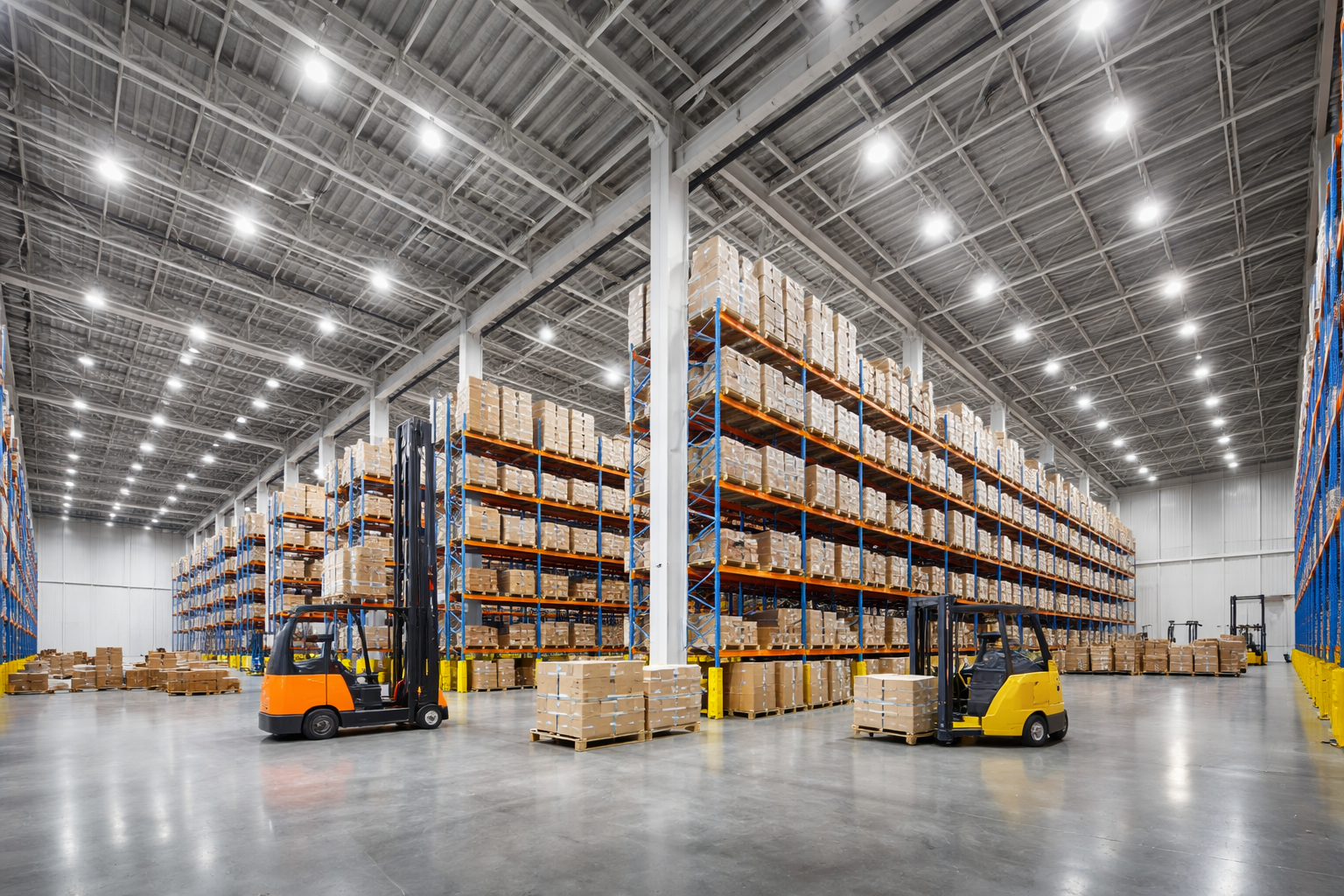
Why Ceiling Height Has Become a Pricing Lever in Industrial Leasing
In today’s industrial real estate market, seemingly subtle building characteristics are playing an outsized role in determining value. Among these, ceiling height has emerged as one of the most influential—and often underestimated—pricing levers in industrial leasing. At Stance CRE, we regularly guide clients through decisions where vertical space becomes just as critical as square footage, particularly as tenant demands evolve alongside supply chain modernization, automation, and inventory strategies.
For commercial buyers, sellers, and landlords, understanding how ceiling height impacts leasing rates, tenant demand, and long-term asset performance is no longer optional. It is a strategic advantage. The growing emphasis on clear height is not a passing trend; it reflects a fundamental shift in how industrial space is used and valued.
The Evolution of Industrial Space Requirements
Industrial buildings were once designed with relatively modest ceiling heights because operational needs were simpler. Manufacturing dominated the landscape, and storage requirements were limited by manual handling and basic racking systems. In those environments, vertical space often went underutilized, making ceiling height a secondary consideration.
Today, the rise of e-commerce, third-party logistics providers, and advanced distribution networks has reshaped these requirements. According to research from the NAIOP, modern warehouse users prioritize efficiency, scalability, and throughput. These goals are directly supported by higher clear heights, which allow for increased storage density and more sophisticated material handling systems. Facilities that once operated comfortably with 18 to 22 feet of clear height now often require 32 to 40 feet or more.
This evolution has created a clear divide in the market. Older properties with lower ceiling heights may still function, but they are increasingly viewed as less competitive. Meanwhile, newer developments designed with higher clear heights are commanding premium lease rates and experiencing stronger tenant demand.
Why Ceiling Height Directly Impacts Pricing
Ceiling height influences pricing because it directly affects how much usable volume a tenant can extract from a space. While square footage measures floor area, cubic capacity determines how efficiently inventory can be stored and managed. In practical terms, a warehouse with higher ceilings can often accommodate significantly more product without increasing its footprint.
This increased efficiency translates into real financial value. Tenants can reduce the cost per unit stored, streamline operations, and potentially consolidate multiple facilities into one. As a result, they are often willing to pay higher rents for buildings that support these efficiencies. Data from the U.S. General Services Administration highlights how federal leasing standards increasingly emphasize functional efficiency, including vertical utilization, when evaluating space.
At Stance CRE, we have seen firsthand how even a difference of a few feet in clear height can materially impact lease negotiations. Buildings with 36-foot clear heights, for example, often outperform those with 28-foot clear heights in both rental rates and occupancy levels, particularly in logistics-heavy markets.
The Role of Automation and Technology
Automation has accelerated the importance of ceiling height in industrial leasing. Technologies such as automated storage and retrieval systems (AS/RS), high-bay racking, and robotics require substantial vertical clearance to function effectively. These systems are designed to maximize vertical space, making ceiling height a prerequisite rather than a preference.
Automation has been rapidly adopted across distribution facilities, with companies investing heavily in systems that rely on vertical scalability. Without adequate clear height, these technologies become difficult or even impossible to implement, ultimately reducing a building’s attractiveness to modern tenants.
For property owners, this creates both an opportunity and a challenge. Assets that can accommodate automation are positioned for long-term relevance and higher rents. Conversely, properties that cannot support these systems may face increasing obsolescence unless they are repositioned or repurposed.
E-Commerce and the Demand for Vertical Efficiency
The continued growth of e-commerce has further intensified the demand for taller industrial buildings. Online retailers and fulfillment providers require facilities that can handle high volumes of inventory while maintaining rapid order processing capabilities. Vertical storage plays a critical role in achieving this balance.
E-commerce has steadily increased its share of total retail sales, driving demand for distribution infrastructure. This growth has placed pressure on logistics networks to operate more efficiently, often within constrained land markets where expanding horizontally is not feasible.
Higher ceiling heights allow operators to scale vertically, effectively increasing capacity without acquiring additional land. This is particularly valuable in urban and infill locations, where land costs are high and availability is limited. At Stance CRE, we often advise clients that vertical efficiency can serve as a competitive differentiator in these markets, enabling them to command premium lease rates.
Capital Markets Perspective: Valuation and Investment Strategy
From an investment standpoint, ceiling height has become a key factor in underwriting industrial assets. Institutional investors and lenders increasingly view clear height as a proxy for future adaptability and tenant demand. Buildings with higher ceilings are often perceived as more resilient, capable of accommodating evolving operational needs over time.
This perception directly impacts valuation. Properties with modern specifications, including higher clear heights, tend to achieve lower capitalization rates and higher sale prices. Conversely, assets with lower ceiling heights may face pricing discounts, particularly if they require significant capital investment to remain competitive.
At Stance CRE, we incorporate ceiling height analysis into our valuation and advisory services. By assessing how a property’s vertical capacity aligns with current and future market demands, we help clients make informed decisions about acquisition, disposition, and repositioning strategies.
Design Trends and New Development Standards
Developers have responded to market demand by prioritizing higher ceiling heights in new industrial construction. It is now common to see speculative developments with clear heights of 36 feet or more, with some facilities exceeding 40 feet to accommodate specialized users.
These design choices are not made in isolation. They reflect a broader shift toward future-proofing industrial assets. By incorporating higher clear heights, developers aim to attract a wider range of tenants and extend the functional lifespan of their properties. This approach aligns with guidance from the Urban Land Institute, which emphasizes adaptability and long-term performance in real estate development.
However, higher ceilings also come with increased construction costs, including structural considerations, fire suppression systems, and energy usage. Developers must carefully balance these costs against the potential for higher rents and stronger tenant demand. In many cases, the market has demonstrated that the premium is justified.
Challenges for Older Industrial Properties
Not all industrial properties can easily adapt to the growing emphasis on ceiling height. Older buildings, particularly those constructed before the 1990s, often have lower clear heights that limit their competitiveness. Retrofitting these properties to increase ceiling height is typically impractical due to structural constraints.
Instead, owners of older assets must explore alternative strategies. These may include targeting niche tenants with less demanding requirements, converting the property to a different use, or investing in other improvements that enhance functionality. Guidance from the U.S. Department of Energy on building efficiency highlights how upgrades in lighting, insulation, and systems can partially offset limitations in physical design.
At Stance CRE, we work with property owners to identify realistic pathways for maintaining value in these assets. While ceiling height cannot always be changed, strategic positioning and targeted improvements can help mitigate its impact on pricing.
Strategic Takeaways for Buyers and Sellers
For buyers, ceiling height should be a primary consideration during due diligence. It is essential to evaluate not only current tenant needs but also future market trends. Acquiring a property with sufficient clear height can provide a competitive edge and reduce the risk of obsolescence.
For sellers, understanding how ceiling height influences pricing can inform marketing strategies and pricing expectations. Highlighting vertical capacity and its operational benefits can help attract qualified tenants and justify premium rents. At Stance CRE, we emphasize clear, data-driven positioning to ensure that our clients maximize the value of their assets.
Ultimately, ceiling height is more than a physical attribute. It is a strategic lever that reflects broader changes in how industrial space is used. By recognizing its importance, stakeholders can make more informed decisions and capitalize on emerging opportunities in the market.
Frequently Asked Questions
Ceiling height has become a frequent topic of discussion among industrial real estate stakeholders, particularly as market expectations continue to evolve. Below are several common questions we address at Stance CRE, along with detailed insights to help clarify this increasingly important factor.
What is considered a “modern” ceiling height in industrial buildings?
Modern industrial facilities typically feature clear heights of 32 feet or higher, with many new developments reaching 36 to 40 feet. These heights support advanced racking systems and automation, making them attractive to logistics and e-commerce tenants. While lower heights may still be functional, they are generally less competitive in today’s market.
Can older buildings with lower ceilings still be competitive?
Yes, but their competitiveness depends on positioning and target tenants. Buildings with lower ceiling heights may appeal to smaller operators, light manufacturing users, or businesses with limited storage needs. Strategic upgrades and competitive pricing can help maintain occupancy, even if the property does not meet modern specifications.
Is it worth investing in higher ceilings for new developments?
In many cases, yes. While higher ceilings increase construction costs, they also enhance long-term value and marketability. Developers who prioritize vertical capacity are better positioned to attract a broader tenant base and achieve stronger financial performance over time.
How Stance CRE Can Help You
Stance CRE supports commercial real estate clients by providing clear guidance on how lease structures, addendums, and amendments align with their broader business and investment objectives. This approach begins with a careful review of financial goals, operational needs, risk tolerance, and long-term flexibility, ensuring that contract decisions support growth rather than create unintended constraints. Instead of promoting one-size-fits-all solutions, Stance CRE emphasizes education, transparency, and strategic alignment at every stage of the transaction.
With deep expertise in Riverside County and the surrounding commercial markets, the Stance CRE team brings local insight and practical experience to each client engagement. From initial site selection to lease negotiation and ongoing contract modifications, Stance CRE helps businesses navigate complex agreements with confidence and clarity. Whether securing a first location or optimizing an existing portfolio, the focus remains on protecting client interests while positioning them for sustainable success in a dynamic commercial environment.
At Stance CRE, we understand the importance of fostering strong relationships between communities and small businesses. We are not only working in Riverside; we live here and actively support the growth of the local economy. Our commitment to the community ensures that both property owners and business operators have the resources and insights necessary to thrive. Call us today at (909) 772-1212 and let us help you determine the best approach for supporting your business while contributing to a stronger, more connected community.
Get started with a strategic consultation at Stance Commercial Real Estate

How Community and Small Businesses Can Support Each Other
The Importance of Small Businesses in Riverside Communities
In Riverside, California, the strength of a community is often measured by the vitality of its small businesses. Small businesses are not merely shops or service providers; they are essential pillars of the local economy. They provide employment opportunities, cultivate neighborhood identity, and foster social connections that strengthen the fabric of the community. At Stance CRE, we understand that supporting small businesses is a critical factor in creating thriving communities. When local residents and businesses collaborate, they form a mutually beneficial ecosystem where commerce, culture, and community engagement reinforce one another. Exploring the ways in which communities and small businesses can support each other is essential for both economic and social resilience.
Economic Benefits of Supporting Local Businesses
Communities reap substantial benefits when small businesses thrive. Local businesses generate revenue that is often reinvested directly into the community, supporting schools, public services, and neighborhood infrastructure. Unlike large national chains that typically direct profits to distant headquarters, small businesses circulate money locally. This circulation strengthens the economy while preserving the character and uniqueness of Riverside neighborhoods. Beyond financial benefits, thriving small businesses serve as gathering spaces that encourage interaction among neighbors, foster cultural diversity, and provide opportunities for residents to connect meaningfully. Stance CRE emphasizes that these intangible benefits are equally important in building a cohesive, engaged community.
How Communities Can Support Small Businesses
Small businesses rely on their communities for consistent support and engagement. This support can take many forms, ranging from purchasing goods and services to attending local events and offering constructive feedback. Residents who participate in farmers markets, dining events, or neighborhood fairs help small businesses increase visibility and generate revenue. Communities can also advocate for policies that support local entrepreneurs, including grants, tax incentives, and programs offered by local business associations. Stance CRE encourages residents to recognize that even small actions, such as posting online reviews, sharing social media content, or recommending a local shop to friends, play a meaningful role in the success of small businesses. These actions strengthen the relationship between the business community and the residents it serves.
Collaborative Initiatives for Community Growth
Collaborative initiatives between small businesses and communities can create transformative effects. Business owners have the opportunity to participate in local events, sponsor programs, and organize projects that improve neighborhoods. For instance, a coffee shop might host educational workshops in partnership with local schools, or a hardware store might organize a community clean-up day. These initiatives foster goodwill, attract new customers, and enhance the reputations of both the businesses and the communities in which they operate. From a commercial real estate perspective, Stance CRE has observed that businesses situated in engaged communities tend to have higher customer retention rates, stronger long-term stability, and a greater ability to withstand market fluctuations. This stability benefits business owners, property owners, developers, and the broader local economy.
Networking, Mentorship, and Knowledge Sharing
Networking and mentorship are critical components of a supportive business ecosystem. Experienced business owners can guide emerging entrepreneurs by sharing best practices, operational strategies, and market insights. By cultivating a culture of collaboration rather than competition, communities can create a more resilient small business network. Organizations such as chambers of commerce, professional associations, and community-led business councils provide platforms for networking, training, and resource sharing. Stance CRE highlights that mentorship and collaboration enhance business performance while fostering innovation and a stronger local economy. In this environment, ideas and opportunities circulate freely, benefiting both business owners and the community at large.
Technology and Digital Engagement
Technology and digital engagement have expanded the ways in which small businesses and communities can support one another. Residents can amplify local businesses by posting online recommendations, reviews, and sharing social media content. Businesses, in turn, can utilize these platforms to inform the community about promotions, events, and new initiatives. In Riverside, where neighborhoods are diverse and dynamic, technology strengthens connections, increases visibility, and helps build customer loyalty over time. Stance CRE recognizes that strategic use of technology not only enhances business performance but also allows communities to remain informed, engaged, and invested in local commerce.
Education and Awareness for Sustainable Support
Education and awareness are central to sustaining a thriving business ecosystem. Residents benefit when they understand the challenges that small business owners face, including rising operational costs, staffing shortages, and regulatory compliance. Informative campaigns, workshops, and community newsletters provide the knowledge necessary for residents to make thoughtful decisions about where to spend their money. For business owners, understanding community needs allows them to tailor products, services, and experiences to better serve the neighborhoods they operate in. This reciprocal understanding strengthens relationships and creates a sense of shared responsibility for the success of the local economy.
Financial Collaboration and Community Programs
Financial collaboration between communities and small businesses further strengthens resilience. Community-supported programs such as cooperative marketing campaigns, loyalty programs, and local crowdfunding initiatives provide critical support for small businesses, especially during periods of economic uncertainty. Residents who participate in these programs not only contribute financially but also signal their commitment to sustaining the local economy. Stance CRE encourages local stakeholders to explore these opportunities as a way to build long-term partnerships that reinforce both community and business stability.
Cultural and Social Impact of Small Businesses
The cultural and social role of small businesses should not be underestimated. Beyond providing goods and services, small businesses foster community identity and pride. Independent retailers, restaurants, and service providers often host cultural events, celebrate local traditions, and offer spaces for neighborhood gatherings. These activities strengthen the social fabric and contribute to the overall livability of Riverside neighborhoods. Stance CRE recognizes that commercial real estate decisions are influenced by these cultural and social factors, as businesses that are integrated into the community tend to attract loyal customers and maintain steady occupancy rates.
Sustainability and Environmental Responsibility
Sustainability initiatives present another opportunity for collaboration. Small businesses and communities can partner to promote environmentally responsible practices, such as waste reduction, energy efficiency, and sustainable sourcing. Residents who support these efforts help reduce the environmental impact of local commerce, while businesses that adopt sustainable practices often experience cost savings and enhanced reputation. Stance CRE observes that properties supporting businesses engaged in sustainability initiatives are increasingly valued in Riverside’s commercial real estate market, reflecting a growing demand for environmentally conscious community spaces.
Frequently Asked Questions
Supporting local businesses may prompt questions for residents who wish to make a meaningful impact. The following are some of the most commonly asked questions:
What are the benefits of shopping locally in Riverside? Shopping locally keeps money circulating within the community, supports neighborhood employment, and helps preserve the unique character of Riverside neighborhoods. Local businesses often reinvest profits into the community, creating economic and social benefits that extend beyond individual transactions.
How can residents support small businesses beyond making purchases? Residents can attend local events, volunteer for business-led initiatives, leave online reviews, share social media content, and recommend local businesses to friends and family. Engaging in advocacy for small business-friendly policies can also have a lasting positive impact on the community.
What role do small businesses play in community development? Small businesses contribute to cultural identity, social cohesion, and economic vitality. They sponsor local events, partner with schools and nonprofits, and improve neighborhood amenities. Strong small businesses enhance both the economic and social well-being of the community.
How can Stance CRE assist local businesses in Riverside? Stance CRE provides expert guidance in commercial real estate, helping business owners secure appropriate spaces, plan strategic expansions, and optimize property use. By supporting the infrastructure that allows small businesses to thrive, Stance CRE strengthens the local economy and contributes to long-term community growth.
How Stance CRE Supports Riverside Businesses
Navigating the commercial real estate market in Riverside can be challenging, particularly in a dynamic environment such as the Inland Empire. Situations can change rapidly, creating unexpected obstacles for business owners. Stance CRE provides expertise, guidance, and support to help business owners make informed decisions that align with their operational goals and timelines. We have been helping local entrepreneurs succeed for years. As a locally based company, we are deeply invested in Riverside’s growth and prosperity.
At Stance CRE, we understand the importance of fostering strong relationships between communities and small businesses. We are not only working in Riverside; we live here and actively support the growth of the local economy. Our commitment to the community ensures that both property owners and business operators have the resources and insights necessary to thrive. Call us today at (909) 772-1212 and let us help you determine the best approach for supporting your business while contributing to a stronger, more connected community.
The Importance of Hiring a Market Expert to List Your Commercial Property
How Stance Real Estate Can Help You
Your marketing strategy should be a reflection of your business. Trying to find the right leasing team for your project can be daunting. Hiring the right team from the beginning will help you navigate the leasing process with ease as well as save you time and money. At Stance Real Estate, we live and breathe Riverside culture. We are not only working in the community, we live here… we love it and we want to help you succeed in it!
Call us today at (909) 772-1212 to see how our commercial property management strategies can help you!

Commercial Real Estate Remains Strong in the Inland Empire
The Inland Empire has evolved into one of the most strategically important commercial real estate markets in the western United States. Once viewed primarily as a secondary alternative to Los Angeles and Orange County, the region now stands on its own as a powerhouse for industrial distribution, logistics, retail expansion, healthcare development, and professional office growth. Commercial real estate remains strong in the Inland Empire not by accident, but because of long-term economic fundamentals, population growth, infrastructure investment, and sustained business migration that continue to reinforce demand across multiple asset classes.
For commercial property owners, investors, and business operators, understanding why the Inland Empire continues to outperform expectations is critical for making informed real estate decisions. At Stance CRE, the focus is on helping commercial clients interpret market trends, identify strategic opportunities, and position assets for long-term performance. The region’s strength is rooted in more than short-term cycles; it is supported by structural advantages that create ongoing demand and durable value.
Strategic Location and Logistics Infrastructure
The Inland Empire’s geographic position remains one of its greatest advantages. Located adjacent to the Ports of Los Angeles and Long Beach, the region serves as a primary gateway for goods entering the United States from the Pacific Rim. Major interstate highways including I-10, I-15, and State Route 60 create direct access to Southern California’s dense population centers as well as distribution corridors that extend throughout the Southwest and Mountain West. This infrastructure has cemented the Inland Empire as a logistics and warehousing hub that continues to attract national and international tenants.
Industrial vacancy rates have remained comparatively tight due to sustained demand from e-commerce, third-party logistics providers, and manufacturers seeking efficient distribution networks. Even as national economic cycles fluctuate, supply chain optimization continues to drive warehouse absorption in the region. Developers have responded with modern, high-clearance distribution facilities, yet demand frequently outpaces new deliveries. Stance CRE works closely with investors and tenants to navigate this competitive environment, identifying properties that align with long-term distribution trends and operational efficiency requirements.
Population Growth and Workforce Expansion
Commercial real estate strength is closely tied to population growth, and the Inland Empire has consistently ranked among California’s fastest-growing regions. As housing affordability pressures push residents eastward from coastal markets, cities throughout Riverside and San Bernardino counties continue to experience residential development and workforce expansion. This population growth fuels demand for retail centers, medical facilities, schools, service-oriented businesses, and office space.
A growing workforce also supports industrial and logistics operations, providing employers with access to a broad labor pool. Employers seeking operational efficiency often find that the Inland Empire offers a balance of workforce availability and comparatively lower occupancy costs than neighboring coastal counties. For commercial customers evaluating expansion or relocation, Stance CRE provides market analysis that considers demographic shifts, consumer spending patterns, and long-term growth trajectories. These insights help ensure that site selection decisions align with both immediate needs and future scalability.
Industrial Dominance and Continued Demand
The Inland Empire has become synonymous with industrial real estate performance. Large-scale distribution centers, last-mile delivery hubs, cold storage facilities, and advanced manufacturing sites define much of the region’s commercial landscape. Institutional investors continue to allocate capital to Inland Empire industrial assets because of consistent absorption rates and strong rental growth over time.
Even during broader economic slowdowns, the structural shift toward e-commerce and rapid delivery expectations has reinforced demand for well-located industrial space. Tenants prioritize proximity to consumers, transportation infrastructure, and labor markets. As a result, high-quality industrial properties in the Inland Empire frequently maintain strong occupancy levels. Stance CRE assists commercial property owners in maximizing asset value through strategic leasing, repositioning strategies, and data-driven pricing approaches that reflect evolving tenant requirements.
Retail Resilience and Adaptive Reuse
While industrial development often captures headlines, retail real estate in the Inland Empire has demonstrated resilience through adaptation. Retail centers that align with population density, traffic patterns, and experiential offerings continue to perform well. Grocery-anchored centers, service-based tenants, and entertainment-focused destinations have proven especially durable in submarkets experiencing residential expansion.
Adaptive reuse projects also play a role in maintaining retail strength. Older centers are being repositioned with modern facades, improved parking configurations, and diversified tenant mixes that reflect changing consumer behavior. Mixed-use developments that integrate retail with residential and office components further enhance long-term viability. Stance CRE works with commercial landlords and investors to evaluate repositioning opportunities, ensuring that assets remain competitive and responsive to market demands rather than reactive to them.
Office Evolution and Professional Services Growth
The office sector has undergone significant transformation nationwide, yet the Inland Empire continues to present opportunity for well-located, right-sized office properties. Professional services firms, healthcare providers, educational institutions, and regional corporate offices maintain demand for flexible office environments that accommodate evolving workplace strategies.
Rather than focusing solely on traditional high-rise office models, many Inland Empire developments emphasize accessibility, parking availability, and proximity to residential communities. This suburban office model can appeal to employers seeking lower operating costs while maintaining employee convenience. At Stance CRE, advisory services include evaluating office market absorption trends, tenant preferences, and lease structures that balance flexibility with long-term stability. Commercial customers benefit from guidance that reflects both current occupancy patterns and anticipated shifts in workplace design.
Investment Stability and Long-Term Value
Investors continue to view the Inland Empire as a stable and growth-oriented commercial real estate market. Cap rates have reflected strong investor interest, particularly within the industrial sector, while retail and office properties in prime locations also attract attention from regional and institutional buyers. The region’s relative affordability compared to coastal markets enhances yield potential while still benefiting from Southern California’s broader economic ecosystem.
Long-term value in commercial real estate depends on more than short-term appreciation. It requires an understanding of infrastructure expansion, zoning policies, transportation initiatives, and public-private investment strategies. Municipalities throughout the Inland Empire have invested in road improvements, utility upgrades, and economic development incentives that further strengthen the region’s commercial appeal. Stance CRE provides clients with forward-looking market intelligence designed to support acquisition, disposition, and portfolio optimization decisions grounded in sustainable fundamentals.
Development Trends and Future Outlook
New construction continues to shape the Inland Empire skyline, particularly in logistics, multifamily, and mixed-use sectors. Developers remain active in delivering state-of-the-art distribution facilities with advanced automation compatibility, energy-efficient systems, and enhanced truck circulation layouts. At the same time, urban infill projects are emerging to meet last-mile delivery needs closer to residential concentrations.
Looking ahead, commercial real estate strength in the Inland Empire is expected to remain closely linked to infrastructure investments, supply chain modernization, and population migration trends. While economic cycles will continue to influence short-term leasing velocity and financing conditions, the structural advantages that underpin the region’s growth remain intact. Stance CRE monitors these macroeconomic indicators alongside local market data to ensure that commercial clients are equipped with actionable insights rather than speculative assumptions.
Why Strategic Representation Matters
Navigating a dynamic market requires more than general awareness of supply and demand metrics. It demands localized expertise, negotiation experience, and a clear understanding of asset positioning strategies. Commercial customers benefit from representation that integrates market analytics with hands-on transaction management and long-term planning.
Stance CRE partners with property owners, investors, and tenants to deliver comprehensive commercial real estate services across the Inland Empire. By combining data analysis with on-the-ground market knowledge, the firm helps clients identify opportunities, mitigate risk, and enhance asset performance. In a region where competition for high-quality properties remains strong, strategic representation can be the differentiating factor between average results and exceptional outcomes.
Frequently Asked Questions
Understanding the Inland Empire commercial real estate market requires clarity on several key considerations. The following questions address common concerns from commercial property owners, investors, and business operators evaluating opportunities in the region.
What makes the Inland Empire different from other Southern California markets?
The Inland Empire offers a combination of strategic location, infrastructure connectivity, workforce availability, and comparatively lower occupancy costs. While Los Angeles and Orange County remain significant economic centers, the Inland Empire provides scalable space options, particularly for industrial users, with direct access to major transportation corridors. This balance of affordability and accessibility distinguishes the region within the broader Southern California market.
Is industrial demand expected to slow in the near future?
Although leasing velocity may fluctuate based on national economic conditions, the structural demand drivers for industrial space remain strong. E-commerce growth, supply chain diversification, and the need for regional distribution centers continue to support absorption in the Inland Empire. Investors and tenants who evaluate long-term trends rather than short-term fluctuations often find sustained opportunity in well-located industrial assets.
How does population growth influence commercial real estate performance?
Population growth drives consumer spending, housing development, healthcare demand, and service-sector expansion. As more residents relocate to the Inland Empire, retail centers, medical offices, schools, and professional services providers experience increased demand. This demographic expansion reinforces the need for diversified commercial real estate across multiple asset classes.
What should commercial investors consider before entering the market?
Investors should evaluate submarket trends, infrastructure improvements, tenant demand patterns, and long-term economic indicators. Due diligence should include vacancy analysis, rental growth projections, and an understanding of municipal development policies. Partnering with an experienced commercial real estate firm such as Stance CRE can provide critical market insight and transaction guidance that supports informed investment decisions.
How Stance Commercial Real Estate Can Help You
Navigating the commercial real estate market can be an intimidating task, especially in a fast-moving market such as Southern California. Any commercial real estate situation can change in the blink of an eye, leaving you to face challenges that you never anticipated. And to make a sale that meets your pricing and timeline goals, there are even more factors to keep in mind.
Stance CRE can be a great resource regardless of which type of investor you are. We have been adding value to investment decisions right here in Riverside for years. We are not just market experts, we are your neighbors! We are a local business with local interests.
In the right market, both active and passive options have the potential to generate steady cash-flow and return on investment. At Stance Commercial Real Estate, we live and breathe Riverside culture. We are not only working in the community, we live here… we love it and we want to help you succeed in it!
Call us today at (909) 772-1212 and let us help you decide which type of role is best for you!
Addendum or Amendment? A Clear Guide for Commercial Real Estate Contracts
Why Understanding Contract Modifications Matters in Commercial Real Estate
In commercial real estate contracts, even small changes in language can carry significant legal and financial consequences. When deal terms evolve after initial negotiations, property owners and tenants are often faced with a critical question: should the change be handled through an addendum or an amendment? Although these terms are sometimes used interchangeably, they serve different purposes and are applied at different stages of a lease or contract lifecycle.
Understanding the distinction between an addendum and an amendment is essential for protecting your interests and maintaining a clear, enforceable agreement. Using the wrong document or applying it incorrectly can create confusion, weaken contractual protections, or lead to disputes down the line. This guide explains how addendums and amendments function in commercial real estate contracts, when each should be used, and why choosing the right approach matters for long-term clarity and risk management.
Quick Answer:
- Addendum = Adds new information to a contract without changing the original terms (like attaching a new appendix during the offer phase).
- Amendment = Changes, deletes, or replaces existing contract language (like editing the original text after the contract is fully executed).
- Key difference: Addendums supplement the initial agreement; amendments modify an existing, binding agreement.
- Both require: Signatures from all authorized parties to be legally binding and enforceable under California law.
When to use each:
| Use an Addendum When: | Use an Amendment When: |
|---|---|
| Adding new environmental contingencies | Changing the final purchase price after inspections |
| Including additional hazardous material disclosures | Extending the due diligence or closing date |
| Attaching detailed site plans or floor maps | Modifying monthly base rent or NNN allocations |
| Adding new clauses not in the original boilerplate | Correcting legal description errors in existing terms |
Real-estate transactions live and die by what is written—and signed—in the contract. Yet nearly every commercial deal requires adjustments after that first signature. That's where these two deceptively similar tools come in: the addendum and the amendment. Using the wrong one, or drafting either poorly, can lead to serious legal complications, especially when dealing with institutional lenders or sophisticated REITs. In the Inland Empire's booming industrial sector, where logistics hubs and distribution centers are under constant negotiation, the ability to pivot through contract modifications is a competitive advantage. The legal landscape in California is particularly rigorous regarding the "Statute of Frauds," which mandates that any modification to a real estate contract must be in writing and signed by the parties to be charged. This means that a handshake deal to extend a due diligence period on a Moreno Valley warehouse is essentially worthless without a properly executed amendment.
Research shows that nearly 100% of analyzed public procurement and large-scale commercial contracts included addendums for extending deadlines and increasing costs, while poorly drafted modifications can lead to serious non-conformity issues when obligations become ambiguous. For a business owner in Moreno Valley or an investor in Corona, these documents are the lifeblood of the transaction lifecycle. The financial implications of a single misplaced word in a commercial lease amendment can be staggering, potentially affecting the Net Operating Income (NOI) and, consequently, the overall valuation of the asset.
Addendum or Amendment? A Clear Guide for Commercial Real Estate Contracts
In the fast-paced world of Riverside commercial property, the initial contract is rarely the final word. As we move through the due diligence period or manage a long-term triple-net (NNN) lease, circumstances change. Maybe a Phase I Environmental Report suggests further testing is needed on a former industrial site, or perhaps a tenant in a Colton industrial park needs to expand their square footage mid-lease to accommodate a new logistics contract. These shifts require formal documentation to ensure that both the landlord and the tenant remain in compliance with their agreed-upon obligations. The complexity of these agreements often stems from the fact that commercial properties are not just physical structures; they are financial instruments with intricate cash flow models that can be disrupted by even minor contractual ambiguities.
The fundamental difference lies in how these documents interact with the "parent" agreement. An addendum is like a "bonus chapter" added to the end of a book; it provides extra information that wasn't there before, often at the time the contract is being created or before it is fully executed. An amendment is like an "editorial strike-through" in the middle of a chapter; it changes the words that are already on the page of a signed, binding agreement. In commercial practice, the distinction is vital because it dictates how the document is integrated into the master file and how it affects the priority of terms. For instance, if an amendment conflicts with the original lease, the amendment typically takes precedence, but if an addendum is added at the start, it must be carefully cross-referenced to ensure it doesn't create internal inconsistencies within the document.
Defining the Addendum: Adding Without Altering
An addendum is a supplementary document attached to the original contract. Its primary purpose is to provide clarity or introduce new provisions that were not addressed in the initial agreement. In commercial real estate, we often call these "riders" or "exhibits." They are frequently used during the offer stage to customize a standard AIR (American Industrial Real Estate Association) or CAR (California Association of Realtors) commercial form to the specific needs of a unique property. These standard forms are excellent starting points, but they are designed to be generic. The addendum is where the "meat" of the specific deal is often found, detailing everything from exclusive use clauses in a retail center to specific hazardous material handling protocols in an industrial facility.
Think of an addendum as a way to keep the original contract intact while "tacking on" necessary details. For example, if we are helping a client purchase a retail strip in Moreno Valley and we need to include a specific list of personal property (like specialized kitchen equipment in a restaurant space) that stays with the building, we would use an addendum. This ensures the main body of the purchase agreement remains clean while the specific details are handled in the attachment. Furthermore, addendums are often used to incorporate complex legal descriptions or survey maps that are too large to fit within the standard form's margins. By referencing these as "Exhibit A" or "Addendum 1," the parties ensure that the technical details are legally part of the agreement without cluttering the core business terms.
Defining the Amendment: Changing the Core Agreement
An amendment is the tool we use when we need to change, delete, or replace language that already exists in a signed contract. In the Inland Empire, where market conditions can shift during a 60-day escrow or a 10-year lease term, amendments are incredibly common. They represent a mutual agreement to deviate from the original path set by the contract. Unlike an addendum, which is often part of the initial package, an amendment is almost always a reactive document, created in response to new information or changing circumstances. It is the primary mechanism for "course correction" during the life of a commercial agreement.
Common scenarios for an amendment include:
- Price Adjustments: If an inspection reveals a significant structural issue on a Riverside office building, the buyer might negotiate a lower purchase price in exchange for taking the property "as-is." This requires an amendment to the Purchase and Sale Agreement (PSA).
- Timeline Shifts: Extending the due diligence period because a city planning department is delayed in issuing a zoning verification letter or a conditional use permit (CUP).
- Clause Modifications: Deleting a "no-sublease" clause in a commercial lease to allow a growing tech company the flexibility to bring in a partner firm or a subsidiary.
- Rent Restructuring: During economic downturns or periods of significant growth, landlords and tenants may agree to amend the rent schedule to ensure the long-term viability of the tenancy.
Practical Applications in Commercial Transactions
In real-world commercial transactions, addendums and amendments are used to address practical needs that arise before and after a contract is executed. Addendums are commonly applied during the initial negotiation phase to incorporate supplemental terms such as tenant improvement allowances, exclusive use provisions, or special operating conditions that are not fully addressed in the base agreement. Amendments, by contrast, are typically used once the contract is in effect to modify existing terms in response to changing business needs, market conditions, or property circumstances. Understanding how and when to apply each document allows parties to adapt agreements efficiently while preserving contractual integrity and minimizing the risk of misunderstandings or disputes.
Before moving forward with any modification, it is vital to consult a Due Diligence Checklist for commercial property. This ensures that the modification doesn't inadvertently conflict with other critical aspects of the deal, such as zoning restrictions, CC&Rs (Covenants, Conditions, and Restrictions), or the requirements of a CMBS (Commercial Mortgage-Backed Securities) lender. For instance, an amendment to lower rent might require the approval of the landlord's lender if it drops the Debt Service Coverage Ratio (DSCR) below a certain threshold. In the world of institutional commercial real estate, the landlord often doesn't have the unilateral right to amend a lease without the consent of their financial partners, making the amendment process a multi-party negotiation.
When to Use an Addendum or Amendment? A Clear Guide for Commercial Real Estate Contracts
Deciding between the two often comes down to timing and the existing text. In the Inland Empire market, where industrial vacancy rates have historically been low, speed is often of the essence, but precision cannot be sacrificed for haste. A poorly executed modification can lead to "estoppel" issues later, where a party is legally prevented from asserting a right because of a previous statement or action. This is why every modification must be treated with the same gravity as the original contract.
Use an Addendum when:
- You are submitting an initial offer and want to include specific contingencies (e.g., "Subject to SBA 504 loan approval").
- You need to provide environmental disclosures, such as a Natural Hazard Disclosure (NHD) report, that were not part of the standard form.
- You are adding a completely new exhibit, like a detailed floor plan for a build-to-suit medical office or a site map for a Commercial Property for Lease.
- You are defining the scope of Tenant Improvements (TI) before the lease is finalized, including specific materials, timelines, and contractor requirements.
- You are incorporating a "Right of First Refusal" (ROFR) or a "Right of First Offer" (ROFO) for adjacent space that wasn't in the boilerplate lease.
Use an Amendment when:
- The contract is already signed and fully executed, and you need to change the expiration date of the inspection period due to a delay in the Phase II environmental study or a structural engineering report.
- The parties agree to change the Common Area Maintenance (CAM) fee structure from a fixed rate to a variable "pass-through" model based on actual operating expenses.
- There is a typo in the original document that could cause legal issues, such as an incorrect suite number, a misspelled corporate name, or an error in the square footage calculation that affects the rent.
- A tenant is expanding into an adjacent suite and the total premises description, rent, and pro-rata share of operating expenses need to be updated.
- You are extending the lease term (a "Lease Extension Amendment") or changing the guarantor on the lease after a corporate restructuring.
Common Examples in Commercial Leases and Sales
In our work across Riverside and the Inland Empire, we see these documents used daily to facilitate complex business moves. Here are some real-world examples from our practice:
- Rent Escalations: In a long-term industrial lease in Ontario, an amendment might be used to adjust the annual rent increases from a flat 3% to a CPI-linked (Consumer Price Index) increase if the tenant agrees to a longer term in exchange for building upgrades. This requires a detailed calculation of the CPI index to be used, which is often attached as an addendum to the amendment.
- Tenant Improvements (TI): An addendum might be used at the start of a lease to detail exactly what "carpet and paint" the landlord will provide. If the scope of work changes during construction—perhaps the tenant decides they need additional plumbing for a lab space or specialized electrical for a server room—an amendment would be used to reflect the new costs, the revised TI allowance, and any changes to the rent commencement date caused by the construction delay.
- Environmental Issues: If a Phase II study finds soil contamination on a commercial lot in Jurupa Valley, an addendum might be drafted during the escrow period to outline the seller's responsibility for remediation and the specific "No Further Action" (NFA) letter required before the close of escrow. If the remediation takes longer than expected, a subsequent amendment would be needed to extend the closing date.
Whether you are Buyers or Sellers, these documents are your primary means of ensuring the final deal matches your expectations and protects your balance sheet. In the commercial sector, where assets are often held in single-purpose entities (SPEs), the clarity of these modifications is also vital for maintaining the corporate veil and ensuring that the entity's obligations are clearly defined.
Avoiding Pitfalls: Addendum or Amendment? A Clear Guide for Commercial Real Estate Contracts
Even seasoned institutional investors can make mistakes when the pace of a deal accelerates. One of the most common pitfalls is ambiguous wording. If an amendment says "the closing is extended by two weeks," does that mean 14 calendar days or 10 business days? In commercial real estate, those four days can mean the difference between keeping or losing a locked-in interest rate or missing a 1031 exchange deadline. We always recommend using specific dates (e.g., "The Closing Date is hereby extended to October 15, 2024") rather than relative timeframes.
Another mistake is missing signatures. If a commercial property is owned by an LLC with two managing members, both may need to sign the amendment for it to be valid, depending on the operating agreement. We often see amendments signed by a "Manager" who doesn't actually have the authority to bind the entity for transactions over a certain dollar amount. Verifying the "Authorized Signatory" is a critical step in the due diligence process for any contract modification. Failure to do so can lead to a situation where one party claims the amendment is invalid because the person who signed it lacked the authority to do so.
Who Can Execute Modifications?
In a commercial transaction, the parties themselves (the buyer/seller or landlord/tenant) are the ones who must execute the documents. However, they are rarely the ones drafting them. The roles are typically divided as follows:
- Authorized Signatories: For corporations or LLCs, the person signing must have the legal authority to bind the company. We often request a "Secretary's Certificate" or an "Operating Agreement" to verify this authority in large-scale Riverside commercial deals. In institutional deals, this might even require a formal board resolution.
- Brokers: While we as brokers often facilitate the negotiation and help prepare the standard forms, we do not have the authority to sign on behalf of our clients unless a specific Power of Attorney is in place. Our role is to ensure the business terms are accurately reflected and that the parties understand the implications of the modification.
- Legal Counsel: For high-value or complex transactions involving multi-tenant retail centers or industrial parks, we always recommend having an attorney review the language. A single misplaced comma in a "Percentage Rent" clause can cost a landlord tens of thousands of dollars over a five-year term. Attorneys also ensure that the modification complies with local and state laws, including specific California disclosures that may be required for commercial properties.
Streamlining Contract Management with Technology
The days of faxing signed pages back and forth and dealing with "illegible scrawls" are largely over. Modern commercial real estate relies on digital tools to manage the lifecycle of a contract. This is especially important when a deal has multiple amendments—keeping track of "Amendment No. 4" versus "Amendment No. 1" is much easier with a digital audit trail. In the Inland Empire, where many investors are based out of the area or even out of the country, digital execution is the standard. This technological shift has not only increased speed but also enhanced the security and reliability of commercial transactions.
Benefits of Digital Workflow Management
By using digital platforms, we can reduce the "human error" factor that often plagues complex commercial negotiations.
- Version Control: You always know you are looking at the most recent version of the contract. This prevents the nightmare scenario of a tenant signing "Version 3" while the landlord thinks they are on "Version 5." In a complex negotiation with multiple rounds of redlines, version control is the only way to maintain sanity.
- Audit Trails: You can see exactly who signed what and when. This is vital for proving compliance with "Time is of the Essence" clauses, which are common in commercial purchase agreements. If a buyer misses a deadline to remove a contingency, the digital audit trail provides the evidence needed to determine if the contract is still in force.
- Centralized Storage: All addendums and amendments are kept in one place, which is vital during a future sale or audit. When a buyer performs due diligence on your property, having a clean, chronological folder of all lease amendments increases their confidence in the asset and can even lead to a higher sale price by reducing the perceived risk.
- Automated Reminders: Many systems will alert you 180 days before a lease expiration or a rent increase date, allowing you to prepare the necessary amendments well in advance. This proactive approach is essential for maintaining high occupancy rates and maximizing the value of a commercial property.
- Security and Compliance: Digital platforms often include encryption and multi-factor authentication, ensuring that sensitive financial terms and corporate data are protected from unauthorized access. This is increasingly important as commercial real estate becomes a target for cyber-attacks and wire fraud.
Frequently Asked Questions about CRE Modifications
Does an addendum need to be signed by all original parties?
Yes. An addendum is an addition to the contract, and for it to be binding, all parties to the original agreement must agree to the new terms. If you are adding a new party to the deal (like an additional guarantor for a commercial lease), they must also sign the addendum to be bound by its terms. In California, the lack of a required signature can render the entire modification voidable. This is why we always perform a "signature audit" before finalizing any modification to ensure every required entity and individual has signed in the correct capacity.
What happens if an amendment conflicts with the original lease terms?
In most cases, the terms of the amendment will override the original contract. This is known as the "rule of later expression." However, to avoid disputes, a well-drafted amendment will explicitly state: "In the event of any conflict or inconsistency between the terms of this Amendment and the Original Lease, the terms of this Amendment shall control and govern." This simple sentence can prevent thousands of dollars in legal fees and months of litigation. Without this clause, a court might have to look at the "intent of the parties," which is a subjective and expensive process.
Is a "Side Letter" the same as an amendment?
In commercial real estate, a side letter is often used to clarify a specific point or grant a one-time concession (like a temporary parking permission or a one-month rent abatement) that the parties don't want to become a permanent part of the lease. However, side letters can be legally risky because they may not be binding on future owners of the property. For permanent changes to rent, term, or space, a formal amendment is always the safer choice. Lenders also tend to dislike side letters because they can hide liabilities that aren't apparent in the main lease file.
Can I use an amendment to change the name of the tenant?
If a tenant is simply changing their corporate name but remaining the same legal entity (e.g., changing from "ABC Corp" to "ABC Logistics, LLC"), an amendment is appropriate. However, if the tenant is selling their business to a new owner, you typically need an "Assignment and Assumption of Lease" agreement, which is a more complex document than a standard amendment. This ensures the original tenant is properly released (or remains liable) and the new tenant is fully vetted and bound by all existing lease terms. This process often involves a "Landlord's Consent to Assignment" as well.
What is a "Ratification" clause in an amendment?
A ratification clause is a statement where both parties confirm that, except for the changes made in the amendment, the rest of the original contract remains valid and in full effect. This is a "safety net" that prevents a party from later claiming that the amendment somehow invalidated the entire original agreement. It is a standard best practice in commercial real estate drafting to include this clause in every amendment, regardless of how minor the change may be.
How Stance CRE Can Help You
Stance CRE supports commercial real estate clients by providing clear guidance on how lease structures, addendums, and amendments align with their broader business and investment objectives. This approach begins with a careful review of financial goals, operational needs, risk tolerance, and long-term flexibility, ensuring that contract decisions support growth rather than create unintended constraints. Instead of promoting one-size-fits-all solutions, Stance CRE emphasizes education, transparency, and strategic alignment at every stage of the transaction.
With deep expertise in Riverside County and the surrounding commercial markets, the Stance CRE team brings local insight and practical experience to each client engagement. From initial site selection to lease negotiation and ongoing contract modifications, Stance CRE helps businesses navigate complex agreements with confidence and clarity. Whether securing a first location or optimizing an existing portfolio, the focus remains on protecting client interests while positioning them for sustainable success in a dynamic commercial environment.