


Navigating the Commercial Landscape of Southwest Riverside County
If you're looking at navigating the commercial real estate market in Southwest Riverside County, you're stepping into a dynamic arena. Amidst this constantly evolving landscape, businesses and investors find both opportunities and challenges. With a local economic climate boosted by diverse industries and strategic positioning near major transportation routes, this area is attracting heightened interest from commercial real estate segments.
Southwest Riverside County has seen robust growth, characterized by a broad spectrum of property types including retail spaces, office buildings, industrial sites, and vacant land poised for development. Key trends indicating this growth include rising demands for industrial spaces due to increased e-commerce activity and a noticeable uptick in office spaces as businesses expand or relocate from densely populated urban centers to more suburban locales.
The commercial real estate market here is not only abundant with opportunities but also complexities related to zoning, permits, and evolving market conditions. For local business owners and investors, understanding these facets is crucial to making informed decisions that align with both current needs and future growth.
Understanding Zoning and Permits in Southwest Riverside County
When diving into commercial real estate in Southwest Riverside County, grasp the fundamentals of zoning, permits, and the legal framework that governs these processes. This knowledge is key to navigating the complexities of real estate investment and development in this region.
Zoning: What You Need to Know
Zoning laws in Southwest Riverside County are designed to segment the region into districts, each designated for specific uses such as residential, commercial, or industrial. These laws influence what type of buildings can be constructed and the activities that can occur in these zones. For instance, a property zoned for industrial use cannot be used for a retail business without re-zoning or obtaining a variance.
The main types of zones you'll encounter include:
- Commercial (C): For shops, offices, and other commercial ventures.
- Industrial (I): For manufacturing, warehouses, and distribution centers.
- Residential (R): Primarily for homes and apartments.
Understanding the zoning of a property is crucial because it affects the valuation and potential uses of the property.
Permits: Navigating the Approval Process
Obtaining the right permits is another critical step in the development process. Permits ensure that your project complies with local building codes, safety laws, and environmental regulations. Here’s a simplified overview of the permitting process:
1. Pre-application: Before submitting your application, it's advisable to meet with a planner at the local planning department. They can provide guidance on the necessary steps and the likelihood of project approval.
2. Application Submission: Submit detailed plans and documents that outline your project. This typically includes site plans, architectural designs, and environmental impact assessments.
3. Review Process: Your application will undergo several reviews, including zoning, environmental, and building safety checks.
4. Public Hearing: For larger projects, a public hearing might be required to consider the views of community members.
5. Approval or Denial: If your application meets all requirements, it will be approved. Otherwise, you may need to make modifications or appeal the decision.
Legalities: Ensuring Compliance
Legal considerations in commercial real estate involve more than just adhering to zoning and permit regulations. It's about understanding lease agreements, property rights, and potential disputes. Here are some legal aspects to consider:
- Lease Agreements: Whether you're a landlord or a tenant, a well-drafted lease agreement is essential to outline the rights and responsibilities of each party.
- Property Rights: These include rights related to the ownership, development, and use of the property.
- Dispute Resolution: In case of disputes over property use, lease terms, or compliance with zoning laws, legal intervention may be required to resolve these issues.
Navigating the zoning and permit processes in Southwest Riverside County requires a thorough understanding of local laws and regulations. For investors and business owners, it’s advisable to consult with legal and real estate professionals to ensure that all aspects of your commercial real estate ventures are compliant and strategically sound. This foundational knowledge not only aids in making informed decisions but also streamlines the development process, leading to successful real estate projects in this dynamic region.
Key Areas for Commercial Real Estate Investment in Southwest Riverside County
Southwest Riverside County is a thriving hub for commercial real estate investment, with Temecula, Perris, and Palm Springs standing out as key areas. Each city offers unique opportunities and challenges that attract a diverse range of investors and businesses.
Temecula
Temecula is renowned for its picturesque vineyards and burgeoning wine industry, but its commercial real estate market extends far beyond. With a robust local economy, Temecula presents lucrative opportunities in retail, hospitality, and office spaces. The city's strategic location near major highways enhances its attractiveness for distribution and logistics companies. Investors are particularly drawn to the potential for developing or enhancing properties to cater to the tourism and service industries, capitalizing on the steady influx of visitors to the area.
Perris
Moving to Perris, this area is rapidly growing with a focus on industrial and manufacturing sectors. The development of large-scale industrial parks and proximity to transportation corridors like Interstate 215 make it a prime location for warehousing and distribution centers. The city's commitment to expanding its infrastructure supports long-term growth and sustainability, making it an appealing option for businesses looking to scale operations in a strategically located environment.
Palm Springs
Lastly, Palm Springs offers a unique blend of retail, hospitality, and residential developments. Known for its midcentury modern architecture and as a resort destination, Palm Springs continues to attract a high volume of tourists year-round. This makes it a hotspot for investing in boutique hotels, luxury resorts, and entertainment venues. The city's vibrant arts scene and cultural festivals provide additional commercial avenues to explore, particularly in the arts, entertainment, and recreation sectors.
Each of these areas within Southwest Riverside County showcases distinct characteristics that make them attractive for specific types of commercial real estate investments. Whether it's the industrial potential of Perris, the tourist-driven market of Palm Springs, or the mixed-use developments in Temecula, investors can find diverse opportunities tailored to their strategic goals.
Navigating the zoning and permit processes in Southwest Riverside County requires a thorough understanding of local laws and regulations. For investors and business owners, it’s advisable to consult with legal and real estate professionals to ensure that all aspects of your commercial real estate ventures are compliant and strategically sound. This foundational knowledge not only aids in making informed decisions but also streamlines the development process, leading to successful real estate projects in this dynamic region.
Types of Commercial Properties Available in Southwest Riverside County
Southwest Riverside County offers a diverse range of commercial real estate options to suit various business needs and investment strategies. Here, you can find everything from retail spaces and office buildings to industrial facilities and vacant land ready for development. Let's explore the types of properties available in this vibrant region.
Retail Spaces
Retail properties in Southwest Riverside County cater to a wide array of businesses, from small boutiques to large shopping centers. High traffic areas such as main streets in Temecula or near the Promenade Mall are particularly attractive for retail operations looking to capitalize on the area's growing population and tourism. Retail spaces here are designed to provide maximum visibility and accessibility to customers, enhancing the shopping experience and increasing foot traffic for businesses.
Office Buildings
The demand for office space in Southwest Riverside County has been steadily increasing, driven by the growth of local businesses and the influx of companies seeking more cost-effective alternatives to the pricier markets of nearby metropolitan areas. Office properties range from small, single-tenant buildings to large, multi-story office complexes with advanced amenities. These spaces often offer flexible floor plans, allowing businesses to create a customized work environment that fosters productivity and collaboration.
Industrial Facilities
Industrial real estate in Southwest Riverside County is robust, with a variety of properties available, including warehouses, manufacturing facilities, and distribution centers. The proximity to major transportation routes like Interstate 215 makes the region an ideal location for companies that require efficient logistics and distribution capabilities. Industrial properties here are equipped with features such as high ceilings, large loading docks, and ample parking, making them suitable for a range of industrial activities.
Land
For those interested in building from the ground up, there is ample undeveloped land available in Southwest Riverside County. This offers a unique opportunity for custom developments, whether for commercial, industrial, or mixed-use projects. Investing in land allows for a high degree of customization, ensuring that the final development precisely meets the specific needs of a business or investment objective.
Each type of property in Southwest Riverside County presents unique opportunities and considerations. Whether you are looking to open a retail store, expand your office, operate an industrial facility, or develop land, the region offers a wealth of options to support your endeavors. With its strategic location, growing economy, and diverse real estate options, Southwest Riverside County continues to be a smart choice for commercial real estate investors and business owners alike.
Commercial Real Estate Southwest Riverside County: Opportunities and Challenges
Southwest Riverside County is a burgeoning hub for commercial real estate investment. This region, encompassing vibrant cities like Temecula, Perris, and Palm Springs, offers a dynamic blend of growth, infrastructure development, and evolving regulations. Let's explore these aspects to better understand the landscape.
Growth
The economic landscape of Southwest Riverside County is marked by robust growth. This region has seen a significant influx of both businesses and residents, driven by its affordability compared to neighboring areas like Los Angeles and San Diego. The Inland Empire, including Riverside, has a thriving industrial and retail sector, which continues to expand as businesses seek more space and lower costs. This growth is not only attracting new investors but also creating new opportunities in commercial sectors.
Infrastructure
Infrastructure development is a key driver of commercial real estate opportunities. Southwest Riverside County is experiencing substantial enhancements in transportation and utilities, which facilitate easier access and operational efficiency for businesses. Major highways and improved public transit options make it simpler for employees to commute and for goods to be transported, enhancing the appeal of the region for commercial operations.
Regulations
Navigating the regulatory environment is crucial for success in commercial real estate. Southwest Riverside County has business-friendly policies that encourage development, but investors must stay informed about local zoning laws and building codes. For instance, specific areas are designated for different types of commercial activities, and understanding these zoning restrictions is essential for selecting the right property and planning development projects.
Investors and developers must also consider environmental regulations, which can affect building projects, especially in areas close to natural habitats or agricultural land. Staying compliant with these rules not only ensures legal operations but also promotes sustainable development practices.
Each of these factors — growth, infrastructure, and regulations — plays a significant role in shaping the commercial real estate landscape in Southwest Riverside County. By understanding these dynamics, investors can better position themselves to capitalize on the opportunities and navigate the challenges that come with commercial real estate investments in this region.
Moving forward, it's important to keep a close eye on how these elements evolve to adapt strategies accordingly and maximize the potential of your real estate ventures in this promising area.
Navigating Legal Considerations for Commercial Real Estate in Southwest Riverside County
When stepping into commercial real estate in Southwest Riverside County, understanding the legal landscape is crucial. This section covers essential topics like zoning changes, permits, and legal challenges that you may face.
Zoning Changes
Zoning laws dictate how a property can be used, and they vary widely across different areas within Southwest Riverside County. For instance, a parcel zoned for industrial use cannot be developed for residential use without a change in zoning, which involves approval from local authorities. Keeping up-to-date with zoning changes is vital because these can significantly impact your investment. For example, a shift from industrial to mixed-use zoning can increase a property's value due to its newfound versatility.
Permits
Securing the correct permits is another critical step in commercial real estate development. Whether it's building new structures or modifying existing ones, each activity requires specific permits from the local government. Delays in obtaining these permits can lead to stalled projects and increased costs. It's advisable to engage with experts who understand the local permitting process to streamline your developments. For instance, projects like the development of the Class A industrial buildings in Perris must comply with strict building codes and safety standards, requiring multiple permits before construction can commence.
Legal Challenges
Legal challenges in commercial real estate often arise from contract disputes, zoning issues, or compliance with local regulations. An example is when a property does not meet environmental standards and requires remediation work, which can be costly and time-consuming. Additionally, disputes with tenants over lease terms or with contractors over construction issues are not uncommon. Having a robust legal strategy and expert legal counsel can help mitigate these risks.
By staying informed about zoning laws, understanding the permitting process, and preparing for potential legal disputes, you can navigate the complexities of commercial real estate in Southwest Riverside County more effectively. This proactive approach will enable you to address issues swiftly and maintain the momentum of your real estate projects, ensuring that each venture not only complies with all legal requirements but also moves forward without unnecessary hindrances.
Let's explore some of the most frequently asked questions about commercial real estate in this region to further clarify your understanding and prepare you for successful investments.
Frequently Asked Questions about Commercial Real Estate in Southwest Riverside County
Navigating the realm of commercial real estate in Southwest Riverside County can be complex. Here, we address some common questions that help demystify aspects of commercial property investments in this area.
Can I live in a commercial property in California?
In California, living in a commercial property is generally not permitted unless the property is zoned for mixed-use or includes specific residential units. These zoning regulations ensure that each area is used according to planned guidelines, which can include commercial, residential, or a combination of both. If you're considering a property for both living and business purposes, look for mixed-use properties or consult with local zoning authorities to explore possible re-zoning or use exceptions.
What are the best areas for commercial real estate in Southwest Riverside County?
Southwest Riverside County offers several key areas that are prime for commercial real estate investments:
- Temecula: Known for its vibrant wine country and growing retail and hospitality sectors, Temecula is a hotspot for tourists and local commerce.
- Perris: With its strategic location near major transportation routes like Interstate 215, Perris is ideal for industrial and distribution centers.
- Palm Springs: A perennial favorite for its tourism and hospitality industries, offering opportunities in retail, entertainment, and leisure properties.
These areas not only provide diverse opportunities but are also supported by local economic development efforts that enhance their attractiveness to investors and businesses.
How do zoning laws affect commercial real estate in Southwest Riverside County?
Zoning laws play a crucial role in shaping the development and use of properties in Southwest Riverside County. These laws determine what types of buildings and businesses can operate in certain areas. For instance, industrial zoning permits activities related to manufacturing and warehousing, while office zoning is for business and professional uses.
Understanding the zoning laws is essential for investors to ensure that the intended use of a property is allowable under local regulations. Misjudging zoning can lead to costly legal challenges or restrictions in property use, which is why it’s important to conduct thorough due diligence or work with knowledgeable local experts like those at Stance Commercial Real Estate.
Remember that each commercial real estate endeavor in Southwest Riverside County is unique. With the right knowledge and resources, you can navigate these waters successfully, unlocking the potential of each property investment.
Conclusion
In the intricate world of commercial real estate in Southwest Riverside County, navigating the landscape requires not just knowledge but a deep understanding of local dynamics. This is where Stance Commercial Real Estate stands out. Our roots in the community, combined with our extensive experience, equip us to offer unparalleled insights and services tailored specifically to this region.
Local Expertise: At Stance Commercial Real Estate, we are more than just brokers; we are part of the fabric of Riverside. This intimate local knowledge allows us to provide unique insights that are crucial for making informed investment decisions. Whether you are looking to invest in retail spaces, offices, or industrial properties, our team ensures that you have the latest and most relevant information at your disposal. Our expertise is especially critical in navigating the complexities of zoning laws and the changing commercial landscape.
Future Outlook: Looking ahead, the prospects for commercial real estate in Southwest Riverside County are promising. With the area's continuous growth and development, opportunities for investors and businesses are expanding. Infrastructure improvements and a thriving local economy make this region a hotspot for commercial investments. At Stance Commercial Real Estate, we are excited about the future and are committed to helping our clients thrive in this dynamic environment.
We invite you to explore how investing in Riverside's opportunity zones can benefit your portfolio. Let us guide you through the complexities of commercial real estate with the assurance that comes from having a dedicated local expert by your side. Learn more about our investment services and how we can help you succeed.
Each commercial real estate journey in Southwest Riverside County holds unique promise. With Stance Commercial Real Estate, you gain a partner who is not just in the business, but a part of the community. Together, let's unlock the potential of your next property investment, ensuring it not only meets but exceeds your expectations.

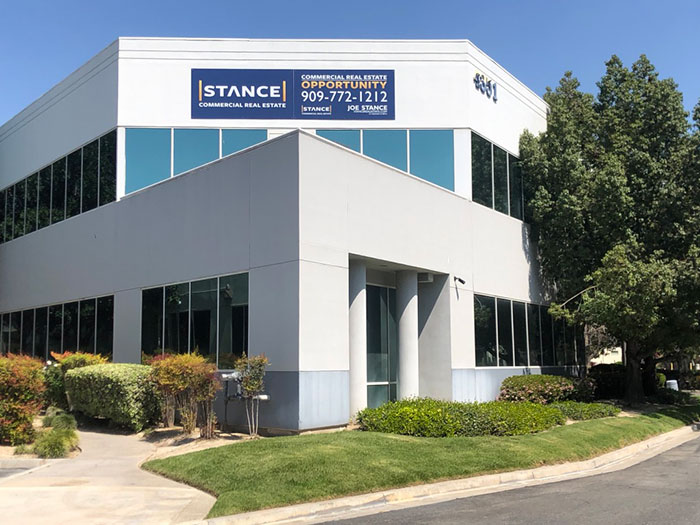
Investing in Riverside Commercial Properties
If you're exploring opportunities for commercial real estate for sale in Riverside, CA, you're entering a market brimming with potential. Riverside's strategic location within the Inland Empire, its diverse economic portfolio, and robust growth rate make it a prime choice for business owners and investors aiming to capitalize on commercial properties.
Riverside is witnessing rapid development, driven by its innovative districts and economic diversification, which includes sectors from manufacturing to retail. This evolution not only fuels the demand for more commercial spaces but also enhances the value of real estate investments in the region.
Investors can choose from a variety of commercial properties such as industrial spaces, retail locations, and office buildings. Each offers unique benefits and caters to different business needs, making Riverside a versatile and attractive market for commercial investments.
Understanding Commercial Real Estate in Riverside, CA
Market Trends
Riverside, CA, is experiencing a significant growth in its commercial real estate sector. This growth is largely driven by the city's strategic location and its role as a hub for both logistics and retail industries. The demand for commercial properties, particularly industrial and retail spaces, has been on the rise, reflecting the city's expanding economic activities.
Recent trends show an increasing interest in mixed-use properties, which combine retail, office, and residential spaces in one location. These properties are highly sought after due to their versatility and ability to attract a diverse range of tenants.
Property Types
Riverside offers a diverse range of commercial properties, catering to various business needs:
- Office Spaces: From small, boutique offices to large corporate headquarters, Riverside's office market includes properties equipped with modern amenities, suitable for tech companies and startups.
- Retail Buildings: These range from individual stores to large shopping centers, strategically located to maximize foot traffic and visibility.
- Industrial Lots: Ideal for manufacturing and logistics, these properties offer ample space for warehouses and distribution centers.
- Mixed-Use Developments: These complexes blend residential, commercial, and sometimes industrial uses, appealing to businesses looking for dynamic and integrated spaces.
Investment Benefits
Investing in commercial real estate for sale in Riverside, CA, offers numerous advantages:
- Strategic Location: Positioned near major highways and freight lines, Riverside is an access point to major markets, enhancing the logistical advantages for businesses.
- Economic Diversity: With industries ranging from technology to retail, the city's economy is robust and provides a stable environment for investment.
- Growth Potential: The ongoing development and urbanization in Riverside signal continued growth, suggesting that investments made today could appreciate in value.
For investors considering commercial real estate for sale in Riverside, CA, the city presents a fertile ground. Whether it's the modern office buildings downtown or the expansive industrial lots in the Hunter area, each investment is supported by Riverside’s growing economy and urban development strategies. This makes Riverside not just a place to do business, but a prime location for growing one's investment portfolio in commercial real estate.
Key Areas for Commercial Real Estate Investment in Riverside
Riverside, CA, offers diverse opportunities for commercial real estate investment across various key areas. Each area boasts unique characteristics that cater to different types of businesses and investors. Here, we explore the prime regions within Riverside that are ripe for commercial investments: Downtown, La Sierra, Hunter, University, and Sycamore Canyon - Canyon Springs.
Downtown Riverside
Downtown Riverside is the heart of the city's cultural and economic activities. It's known for historical buildings like the Mission Inn and modern developments that attract tourists and businesses alike. The area's blend of old and new makes it an attractive spot for both retail and office spaces. Investing in downtown Riverside means positioning your business in a vibrant environment where commerce, history, and community converge.
La Sierra
La Sierra offers a mix of residential and commercial properties, with accessibility to major freeways like the 91, making it a strategic location for businesses that require easy transportation links. The area features several retail spaces, which offers substantial square footage for various business needs. This area is perfect for investors looking to capitalize on a blend of foot traffic and the convenience of transportation.
Hunter Park
The Hunter Park area is becoming a hub for industrial growth. This region is suitable for businesses looking for expansive spaces with modern facilities, as highlighted by the recent constructions and availability of large spaces suitable for manufacturing, warehousing, or distribution centers.
University Avenue
Close to the University of California, Riverside, this area is an excellent spot for retail and residential developments, catering to the college crowd and young professionals. Several properties provide spaces ideal for businesses that benefit from the university community’s constant flow and vibrant demographic.
Sycamore Canyon - Canyon Springs
This area is noted for its newer developments and has been attracting attention for retail and office investments. It's ideal for businesses looking to establish a presence near residential areas with a high potential for customer engagement.
Each of these areas offers distinct advantages depending on the type of commercial real estate investment you are considering. Whether it’s the bustling streets of downtown Riverside or the industrial opportunities in Hunter, the city caters to a broad spectrum of business needs and investor preferences. By choosing the right location, your investment in commercial real estate for sale in Riverside, CA is positioned for growth in a community with a rich history and a promising economic future.
Types of Commercial Properties Available in Riverside, CA
Riverside, CA, is a hub of diverse commercial real estate opportunities, making it an attractive location for investors and businesses looking to expand. The city offers a variety of property types to suit different commercial needs, including retail spaces, office buildings, industrial properties, and mixed-use complexes. Let's delve into what each type offers:
Retail Spaces
Retail properties in Riverside are designed to maximize foot traffic and visibility. From standalone shops to spaces within bustling shopping centers, these properties cater to a range of businesses from boutique stores to large retail chains. For example, at 3375 and 5660 Iowa Avenue, retail spaces are available that highlight the vibrant commercial activity typical of Riverside's retail sectors.
Office Buildings
Riverside's office market includes a range of properties, from small, cost-effective spaces to large, high-tech office complexes. Properties like the office spaces at 3481 Prospect Ave and 3890 11th Street showcase the variety available, offering modern amenities and strategic locations near central business districts or major highways, ideal for businesses looking to enhance their corporate presence.
Industrial Properties
The city is also home to expansive industrial lots that are pivotal for manufacturing, logistics, and trade operations. Large-scale facilities like those found at 425 West La Cadena Drive and 2025 Chicago Avenue provide ample space for operations and storage, with accessibility to major transport routes enhancing logistical efficiency.
Mixed-Use Complexes
Investing in mixed-use properties in Riverside offers a blend of residential, commercial, and sometimes industrial spaces in one location. These complexes, like those potentially found in planned developments along major corridors, cater to a trend towards integrated living and working spaces, appealing to a modern mix of tenants.
Each type of property brings unique opportunities and challenges, but the common thread is Riverside's potential for growth and profitability in the commercial real estate market. By understanding the specific features and market demands of each property type, investors can make informed decisions that align with their strategic goals.
It's crucial to consider how to choose the right commercial property based on location, condition, and other critical factors to maximize your investment returns in Riverside's dynamic market.
How to Choose the Right Commercial Property
Choosing the right commercial property is a pivotal step in ensuring a successful investment in Riverside, CA. Here are key factors to consider:
Location
Why It Matters: Location influences the property's accessibility, visibility, and overall demand. Properties in prime locations often yield higher rental rates and have lower vacancy rates.
What to Look For: Consider properties in areas with high foot traffic, easy access to major roads, and proximity to amenities like cafes, banks, and public transport. For instance, downtown Riverside and areas like La Sierra and University are known for their bustling activity and business-friendly environment.
Property Condition
Why It Matters: The state of the property affects immediate repair costs and maintenance expenses down the line. A well-maintained property can save you a significant amount in future repairs.
What to Look For: Inspect the property thoroughly. Look for signs of well-maintained facilities and recent upgrades. Properties built more recently, such as the 2008 office building on 5,193 SF listed on LoopNet, generally require fewer upfront repairs compared to older properties built in the 1950s or 1960s.
Zoning
Why It Matters: Zoning laws determine the types of activities that can be conducted on the property. Ensuring that the property’s zoning aligns with your intended use is crucial to avoid legal issues.
What to Look For: Check with the Riverside city planning department to understand the zoning regulations of the area. Some areas in Riverside are designated for mixed-use, while others are strictly residential or commercial.
Market Data
Why It Matters: Understanding the local market, including average rent prices, vacancy rates, and typical lease terms helps in setting realistic expectations and investment goals.
What to Look For: Utilize platforms like LoopNet or CoStar to gather data on current market trends in Riverside. Look for information on cap rates and average cost per square foot. For example, properties with a 5.70% cap rate indicate a potentially profitable investment.
Future Development
Why It Matters: Upcoming developments can boost property values but can also increase competition. Staying informed about future developments in the area can significantly impact your investment’s long-term value.
What to Look For: Monitor the City of Riverside’s future urban development plans. Properties near future housing developments or commercial complexes, like those often listed in Riverside’s commercial sectors, might see an increase in value.
By carefully considering these factors, investors can better position themselves to select a commercial property that not only meets their current needs but also aligns with long-term investment objectives. The next section will delve into specific commercial real estate for sale in Riverside, CA, highlighting the investment potential and detailing specific property listings to consider.
Navigating the Purchase Process
When diving into commercial real estate for sale in Riverside, CA, understanding the purchase process is crucial. This involves several key steps: securing financing, comprehending legal requirements, and conducting thorough due diligence.
Financing Options
Financing the purchase of commercial real estate can seem daunting, but numerous options are available:
- Traditional Bank Loans: These are commonly used for commercial property purchases, offering competitive interest rates.
- SBA Loans: Small Business Administration loans can be ideal for smaller businesses that meet the eligibility criteria.
- Commercial Bridge Loans: These are short-term financing options used to bridge the gap between immediate funding needs and long-term solutions.
Each financing type has its own benefits and requirements, so consult with a financial advisor to choose the best option for your situation.
Legal Considerations
The legal aspects of purchasing commercial real estate in Riverside are not to be overlooked. This includes:
- Zoning Laws: Ensure the property is zoned for your intended use. Riverside has specific zones for retail, industrial, and mixed-use developments.
- Permits and Safety Codes: Before making any modifications or starting new construction, necessary permits must be obtained. Compliance with Riverside’s safety codes is mandatory to ensure the safety and legality of your commercial property.
Navigating these legal waters often requires the expertise of a local attorney or a real estate advisor who specializes in commercial properties.
Due Diligence
Conducting due diligence is perhaps the most critical step in the purchase process. This includes:
- Property Inspections: Thoroughly inspect the property to identify any potential issues or necessary repairs.
- Market Analysis: Understand the local market trends, the demand for commercial space, and the potential for future growth and development in Riverside.
- Review of Financials: If purchasing an existing business property, review the financials to ensure profitability and stability.
Due diligence helps you avoid unexpected problems and ensures that your investment is sound.
By carefully navigating the financing options, legal considerations, and due diligence, you can successfully purchase commercial real estate in Riverside. This process not only protects your investment but also sets the stage for potential high returns in this dynamically growing market.
In the following section, we will discuss how to maximize your investment in Riverside’s commercial real estate, focusing on strategies for achieving a strong return on investment and effective property management.
Maximizing Your Investment in Riverside Commercial Real Estate
Investing in commercial real estate for sale in Riverside, CA can be highly rewarding. To ensure you maximize your returns, it’s crucial to focus on ROI strategies, effective property management, and thorough market analysis. Here’s how you can make the most of your investment:
ROI Strategies
Achieving a strong Return on Investment (ROI) involves several key strategies:
- Purchase Below Market Value: Look for properties that are undervalued and have potential for appreciation. For instance, the 24,960 SF industrial building built in 1980 listed at $7,125,000 could be a candidate if its price per square foot is below the market average for similar properties.
- Value-Add Opportunities: Properties that require upgrades or renovations can offer significant upside once improvements are made. For example, updating the 1,260 SF office building built in 1954 and listed at $525,000 could increase its rental appeal and value.
- Lease Optimization: Ensure that leases are structured to increase cash flow. This might include passing on certain costs to tenants or negotiating escalations in rent over time.
Property Management
Effective management is crucial for maintaining property value and ensuring steady revenue:
- Regular Maintenance: Keep your properties in top condition to attract and retain tenants. Regular checks and timely repairs can prevent larger expenses later.
- Tenant Relations: Building good relationships with tenants can lead to longer lease terms and lower vacancy rates. Satisfied tenants are more likely to renew their leases.
- Efficient Operations: Utilize property management software to streamline operations, from rent collection to maintenance requests. This can reduce overhead costs and improve profitability.
Market Analysis
Understanding the local market is essential for informed decision-making:
- Demand and Supply Trends: Keep an eye on the trends affecting both demand and supply in Riverside. For instance, the growing interest along the Riverside Freeway corridor in industrial and flex spaces indicates a potential hotspot for investments.
- Economic Indicators: Monitor economic indicators such as employment rates, population growth, and business expansions in the area. Riverside’s innovation district and its strategic location near major cities like Los Angeles enhance its attractiveness as an investment location.
- Competitor Analysis: Know what other properties are offering in terms of amenities, lease terms, and pricing. This can help you position your property competitively in the market.
By applying these strategies, you can not only safeguard your investment but also enhance its potential for high returns. Effective property management keeps your assets performing at their best, while a solid understanding of the market helps you make savvy decisions that align with current trends and future growth.
In the next section, we will explore frequently asked questions about commercial real estate in Riverside, providing you with further insights into this vibrant market.
Conclusion
Investing in commercial real estate for sale in Riverside, CA is a strategic move that promises not only immediate benefits but also long-term growth and sustainability for your business. Riverside's commercial real estate market is characterized by robust growth and potential for high returns on investment. The city’s strategic location near major ports and a rich cultural scene makes it ideal for industrial activities as well as retail and office spaces.
Stance Commercial Real Estate stands out as a pivotal partner in navigating this vibrant market. Our deep understanding of Riverside's commercial real estate landscape, coupled with our commitment to your business's success, ensures that your investment is not just secure but also poised for substantial growth. We are more than just a service provider; we are your partner in achieving long-term success in Riverside’s dynamic commercial real estate market.
With Stance Commercial Real Estate, you gain access to a team that is deeply embedded in the local community and thoroughly versed in the nuances of Riverside’s commercial real estate. Whether you are looking to purchase an office building, a retail space, or an industrial property, our experts are equipped to guide you through every step of the process. From selecting the right property to understanding zoning laws and securing favorable financing options, we ensure that every aspect of your investment is handled with expertise and care.
As we move forward to address frequently asked questions about commercial real estate in Riverside in the next section, with Stance, you're not just investing in property. You're investing in a partnership that values your business's growth and sustainability in one of California’s most economically diverse regions. Let us help you explore the possibilities and achieve remarkable success in Riverside’s flourishing commercial real estate landscape.
Frequently Asked Questions about Commercial Real Estate in Riverside, CA
What types of commercial properties are most profitable in Riverside?
In Riverside, CA, the most profitable commercial properties tend to be industrial buildings, retail spaces, and mixed-use properties. Industrial properties in Riverside are particularly lucrative due to the city's robust manufacturing and logistics sectors. These properties often offer large spaces and are strategically positioned near major transportation routes, making them highly desirable for businesses involved in production and distribution.
Retail spaces in high-traffic areas such as shopping centers or along busy streets also present strong profit potential. These locations benefit from high visibility and foot traffic, which are crucial for retail operations.
Mixed-use properties, which combine residential, commercial, and sometimes industrial spaces, offer a diversified income stream that can lead to higher profitability. These properties cater to a growing demand for versatile living and working environments within Riverside.
How does the commercial real estate market in Riverside compare to other cities in California?
Riverside's commercial real estate market offers several advantages when compared to other cities in California. Firstly, property prices in Riverside are generally more affordable than in major metropolitan areas like Los Angeles and San Francisco. This affordability makes Riverside an attractive option for both new investors and established businesses looking to expand.
Additionally, Riverside has a unique strategic location as it is less than an hour's drive from Los Angeles and close to other major markets. This proximity allows businesses in Riverside to easily access a broader customer base while enjoying lower operational costs.
The city’s commitment to economic development and infrastructure improvement further enhances its attractiveness as a commercial real estate market, making it competitive with other prominent cities in California.
What are the long-term benefits of investing in commercial real estate in Riverside?
Investing in commercial real estate in Riverside offers several long-term benefits. One significant advantage is the potential for capital appreciation. As Riverside continues to grow and develop, property values are likely to increase, providing substantial returns on investment over time.
Another long-term benefit is the potential for stable and increasing rental income. Riverside's diverse economy supports a strong demand for various types of commercial spaces, from retail to industrial. This demand helps ensure that properties retain their value and generate consistent rental income.
Lastly, owning commercial real estate in Riverside allows investors to benefit from the city's economic resilience. With strong sectors in manufacturing, health services, and education, Riverside's economy is well-rounded and less likely to be affected by downturns in any single industry.
By investing in commercial real estate for sale in Riverside, CA, you position yourself to take advantage of these long-term benefits. At Stance Commercial Real Estate, we are committed to helping you navigate this vibrant market, ensuring that your investment not only meets but exceeds your business goals and financial expectations.

The Best Commercial Spots in Downtown Riverside
If you are considering investing in downtown Riverside commercial real estate, you’re looking at a region that blends historical charm with booming economic trends. This Riverside area, known for its vibrant community and dynamic business environment, provides a fertile ground for commercial investments.
Riverside is not just a city that is growing; it is thriving. With its strategic location, approximately 60 miles east of Los Angeles, the city offers a unique mix of accessibility and profitability. The downtown area, in particular, has become a hub for both new businesses and cultural activities, making it an attractive spot for commercial investments.
Investing here means positioning your business in a part of Riverside that is known for innovation and growth. You should consider downtown Riverside if you’re looking for a location that offers both historical significance and a future of possibilities. Here are the key points briefly:
– Proximity to major markets: Close to LA while maintaining a distinct identity.
– Diverse commercial properties: From quaint shops to large industrial spaces.
– Dynamic economic development: Supported by local government investments and business-friendly policies.
Whether you are a local entrepreneur or an outside investor, downtown Riverside welcomes you with a promising commercial real estate market. Stay tuned as we dive deeper into why this area stands out in the Southern California real estate landscape.
Why Invest in Downtown Riverside Commercial Real Estate?
Historical Significance
Downtown Riverside holds a treasure trove of history, which is a significant draw for both tourists and business investors. The area is home to the Mission Inn, the largest Mission Revival Style building in the United States, and a designated National Historic Landmark. The rich history of the area adds a unique charm and distinct character that can enhance the appeal of businesses located here.
Citrus Industry
Riverside is renowned as the birthplace of the California citrus industry. This legacy began when the first naval orange trees were planted, a pivotal moment that significantly boosted the economy and shaped the region’s development. The citrus industry’s heritage continues to influence the local culture and economy, making it an attractive sector for related businesses, such as food and beverage companies, agricultural tech firms, and more.
Economic Growth
Downtown Riverside is experiencing robust economic growth. The city’s strategic initiatives, such as the Innovation District, are designed to foster high-tech jobs and attract significant investment. This area has been identified as a hub for innovation, blending educational institutions, residential areas, and commercial spaces. Such a mix promotes a vibrant community where businesses can thrive.
The ongoing development in the Opportunity Zones within Riverside offers additional tax incentives, making investments even more attractive. These zones aim to spur economic development by providing tax benefits to investors, which can significantly enhance the returns on investment in commercial real estate.
Proximity to Major Urban Centers
Located just sixty miles east of Los Angeles, Riverside offers the dual benefits of accessibility to major markets and the tranquility of a less congested area. This proximity allows businesses in Riverside to easily tap into the broader Southern California economy while enjoying lower overhead costs compared to the metropolis.
Investing in downtown Riverside commercial real estate not only promises significant returns but also offers the opportunity to be part of a community rich in history and innovation. With its growing economy, strategic location, and vibrant community, downtown Riverside holds a promising future for investors and businesses alike. As we explore the specific benefits that this area offers, it becomes clear why so many are choosing to invest here.
Key Benefits of Choosing Downtown Riverside for Your Business
Accessibility
Downtown Riverside is a hub of connectivity. Located near major freeways like the 91, 215, and 60, commuting is a breeze for both employees and clients. The area is also serviced by the Riverside Transit Agency, which provides extensive bus routes, and the Metrolink train service, making it accessible without a car. This ease of access enhances customer foot traffic and employee satisfaction by simplifying the commute.
Diversity
The demographic mix in Riverside is a goldmine for businesses looking to tap into a varied customer base. The city’s population is a vibrant blend of students, professionals, and families, thanks to the presence of prestigious institutions like the University of California – Riverside. This diversity not only enriches the community but also provides businesses with a broad spectrum of potential customers and employees.
Historical Sites
Downtown Riverside is steeped in rich history, home to landmarks like the Mission Inn, which is not only a draw for tourists but also a beloved locale for local events. The historical ambiance of the area adds a unique charm that can be leveraged by businesses to create a distinctive identity. Hosting your business near these cultural landmarks can enhance your visibility and appeal to both locals and visitors who frequent these sites.
Investing in downtown Riverside commercial real estate offers more than just a prime location; it provides a chance to be part of a community that values accessibility, cultural diversity, and historical richness. These elements create a dynamic business environment that fosters growth and connectivity. Let’s delve deeper into the specific commercial properties that embody the best of downtown Riverside, ensuring your business thrives in a locale that is as strategic as it is appealing.
Top Commercial Properties in Downtown Riverside
Office Spaces
When considering office spaces in downtown Riverside, platforms like Stance, LoopNet and CoStar are invaluable resources, offering detailed listings and market analytics.
Retail Locations
Retail spaces in downtown Riverside cater to a diverse consumer base, thanks to the city’s rich cultural and economic landscape. Prime retail spots include which are centrally located and offer high visibility and foot traffic, crucial for retail success. These locations are within easy reach of local amenities and public transport, making them accessible to both customers and employees.
Industrial Hubs
These properties offer substantial square footage and are equipped to handle various industrial needs, from warehousing to manufacturing. Their proximity to major highways like Hwy 60 & Hwy 91/215 facilitates logistics and distribution, a key consideration for industrial operations.
Mixed-Use Developments
The intersection of Hwy 60 & Hwy 91/215 is a strategic location for mixed-use developments, combining retail, office, and residential spaces. This area benefits from high traffic and easy accessibility, making it a magnet for businesses and residents alike. The mixed-use approach allows businesses to leverage the built-in customer base residing within the same complex, enhancing customer convenience and business exposure.
These highlighted properties and developments in downtown Riverside not only offer strategic locations but also embody the community’s commitment to growth and diversity. Each property type, whether office, retail, industrial, or mixed-use, presents unique opportunities for businesses looking to establish or expand in Riverside. As we explore further, these examples serve as a testament to the potential and vibrancy of Riverside’s commercial real estate market.
Frequently Asked Questions about Downtown Riverside Commercial Real Estate
Is Riverside a good place to invest in real estate?
Yes, Riverside is an excellent place to invest in real estate, especially in the commercial sector. The city’s strategic location, combined with a growing economy and a vibrant community, makes it a hotspot for investors. Riverside offers a unique blend of affordable real estate options compared to other Southern California cities, which is a significant attractor for new and expanding businesses.
The presence of major universities like the University of California, Riverside, and California Baptist University fuels a steady demand for rental properties, retail spaces, and office buildings. Additionally, Riverside’s ongoing development projects and improvements in infrastructure suggest a promising future for property appreciation and business growth.
Why is Riverside CA famous?
Riverside, CA, is famous for several reasons, primarily its historical and cultural contributions. It is known as the birthplace of the California citrus industry, which played a crucial role in the state’s economic development in the late 19th and early 20th centuries. The city is also home to the Mission Inn, the largest Mission Revival Style building in the United States, which is a designated National Historic Landmark.
Culturally, Riverside is celebrated for its vibrant arts scene, with numerous museums, theaters, and galleries that host a wide array of events throughout the year. The city’s commitment to preserving its unique history while fostering innovation is evident in its diverse offerings that cater to both residents and visitors alike.
These FAQs highlight why downtown Riverside commercial real estate is not just an investment in property but also an investment in a lively, growing community rich in history and culture. As we look to the future, understanding these foundational elements of Riverside can guide more informed, strategic investment choices in this dynamic market.
Conclusion
As we wrap up our exploration of downtown Riverside commercial real estate, it’s clear that the city offers a unique blend of historical charm and modern opportunity. At Stance Commercial Real Estate, we pride ourselves on our deep understanding of this vibrant market. Our local expertise and commitment to service excellence make us more than just a real estate agency; we are your partners in navigating the complexities of the commercial real estate landscape.
Stance Commercial Real Estate: Your Local Experts
We at Stance Commercial Real Estate aren’t just observers; we are active participants and contributors to the Riverside community. Our team lives and works here, giving us knowledge and insight that is invaluable when making real estate decisions. Whether you’re looking to buy, sell, or lease, we understand the nuances of the market and can provide tailored advice that aligns with your business goals.
Why Local Expertise Matters
Local expertise is critical in real estate. We know the streets, the buildings, and even the history behind them. This allows us to offer insights that go beyond basic metrics. We can tell you which locations have the best foot traffic, the demographic shifts that are influencing the market, and how future developments might affect your investment. Our hands-on approach ensures that you are not just investing in a property but also in a community that suits your business needs.
Service Excellence: Our Commitment to You
At Stance, service excellence is at the heart of everything we do. We strive to provide a seamless experience from start to finish. Our team is dedicated to transparency, communication, and integrity. We handle the complexities of commercial transactions so that you can focus on what you do best—running your business.
From identifying the perfect property to negotiating contracts and managing post-sale logistics, we are with you every step of the way. Our goal is to ensure that every client is fully supported and satisfied with their real estate journey.
Partner with Us
 If you’re considering investing in downtown Riverside commercial real estate, let Stance Commercial Real Estate guide you through the process. Our knowledge and expertise are your assets in making informed, strategic decisions that drive growth and success.
Discover how we can help you capitalize on the opportunities in Riverside’s dynamic market. Read about Investing in Riverside’s Opportunity Zones to learn more and to start your investment journey with a team that knows Riverside best.
In conclusion, choosing Stance Commercial Real Estate means choosing a partner who values local insight and delivers exceptional service. Let us help you in Riverside—a city that’s as rich in potential as it is in history.

Invest in Riverside: A Commercial Real Estate Buying Guide for Businesses
If you’re exploring options for commercial real estate for sale in Riverside, you’re tapping into a market with robust growth and diverse opportunities. This city offers a lucrative environment for business investments, blending a rich community vibe with the benefits of a substantial economic hub.
Riverside, part of the dynamic Inland Empire, is not only strategically positioned but also teeming with potential due to its affordable cost of living, innovative arts scene, and proximity to key Californian locales like Los Angeles and San Diego. Whether you are aiming to invest in office spaces, retail locations, or industrial parcels, Riverside presents a compelling case with its well-rounded economic landscape and ongoing developments.
Investing here means joining a forward-moving and vibrant community where business thrives in a supportive environment. Below, you’ll find a snapshot highlighting why Riverside stands out as a premier choice for commercial real estate investments.
Why Choose Riverside for Commercial Real Estate Investment?
Riverside, California, is rapidly becoming a beacon for investors looking to dive into the commercial real estate market. This section explores why Riverside is an attractive option for your next investment, focusing on its growth potential, strategic location, and economic diversity.
Growth Potential
Riverside is part of the larger Inland Empire, a region known for its significant economic growth and development. The city has been fostering an innovation district that supports startups and established businesses, creating a thriving ecosystem for new ideas and investments. Companies like Konica Minolta have set up shop here to tap into the local talent and innovative culture. This ongoing development is not only enhancing the business landscape but also increasing the demand for commercial properties.
Strategic Location
Situated in Southern California, Riverside offers a strategic advantage due to its proximity to major cities like Los Angeles and San Diego. This location is ideal for businesses that require easy access to major markets but prefer not to pay the premium prices associated with coastal cities. Furthermore, Riverside is known for its expansive transportation network, which includes access to major highways, railroads, and even airports, facilitating smooth business operations and logistics.
Economic Diversity
Riverside boasts a diverse economy that includes sectors such as manufacturing, health care, education, and retail. This diversity not only stabilizes the economic environment but also provides a broad range of opportunities for commercial real estate investors. Whether you are interested in investing in industrial spaces, office buildings, or retail locations, Riverside provides a robust market with varied options to suit different business needs.
Investing in Riverside means more than just purchasing property. It’s about becoming part of a community that is poised for growth, strategically located for business success, and diverse enough to withstand economic shifts. With its dynamic economy and ongoing development, Riverside offers a fertile ground for commercial real estate investments that promise substantial returns.
Types of Commercial Properties Available in Riverside
Riverside, CA, presents a diverse array of commercial real estate opportunities catering to various business needs. Here, you can find everything from office spaces and retail buildings to industrial lots and mixed-use properties. Let’s explore what each type offers and how they can serve different commercial needs.
Office Spaces
Riverside offers a variety of office spaces, including everything from small, boutique-style offices to large corporate buildings. The city’s recent developments include modern office complexes equipped with the latest technology, ideal for tech companies and startups.
Retail Buildings
The retail sector in Riverside is vibrant, with options ranging from standalone shops to spaces within large shopping centers. Retail buildings here are designed to cater to a high footfall, ensuring that businesses get the visibility they need.
Industrial Lots
For businesses involved in manufacturing, logistics, or large-scale trade, Riverside’s industrial lots are particularly appealing. These lots provide ample space for warehouses and factories.
Mixed-Use Properties
Mixed-use properties in Riverside are designed to include a combination of residential, commercial, and sometimes industrial spaces. These properties are ideal for investors looking to diversify their portfolios within a single location.
Investing in Riverside’s commercial real estate market offers businesses and investors alike a chance to be part of a growing community. Whether you’re looking for a quaint office space, a bustling retail location, an expansive industrial lot, or a versatile mixed-use property, Riverside has options to meet your needs. As the city continues to grow and evolve, these properties represent not just a space for business, but an opportunity for substantial growth and investment returns.
Understanding the Riverside Commercial Real Estate Market
Market Trends
The commercial real estate market in Riverside, CA, is characterized by its dynamic growth and evolving landscape. In recent years, we’ve seen a significant uptick in demand for commercial spaces, driven by Riverside’s strategic location and its thriving local economy. This surge is particularly evident in the sectors of retail and industrial properties, where businesses are eager to capitalize on the city’s accessibility and robust workforce.
One notable trend is the increasing interest in properties that support a hybrid of uses—spaces that blend retail, office, and residential elements are becoming highly sought after. This reflects a broader shift towards more integrated and community-focused business environments.
Price Ranges
Prices for commercial real estate for sale in Riverside vary widely based on the property type, location, and amenities. Office spaces in prime locations such as downtown Riverside or near major highways like Interstate 215 typically command higher prices due to their accessibility and prestige. On average, you might find:
- Office buildings ranging from $1 million to $5 million, depending on size and location.
- Retail spaces can go for anywhere between $500,000 to over $3 million.
- Industrial properties, particularly those with modern facilities for manufacturing or logistics, can range from $2 million to $10 million.
These figures are indicative and can fluctuate based on market conditions and specific property features.
Investment Hotspots
Certain areas within Riverside have emerged as hotspots for commercial investment, driven by both economic factors and city planning initiatives. Areas like the Riverside Downtown area are continuously developing, with a mix of new constructions and revitalized historical buildings attracting a lot of attention.
Another area to watch is the corridor along the Riverside Freeway (CA-91), where there’s a growing interest in industrial and flex spaces due to easy access to transportation routes and proximity to larger markets like Los Angeles and San Bernardino.
Investors and businesses looking to capitalize on Riverside’s growth would do well to consider these areas, as they offer both high visibility and access to a broad customer base.
Understanding these aspects of the Riverside commercial real estate market can help investors make informed decisions. Whether you’re looking to purchase a small retail space or a large industrial complex, knowing the current market trends, price ranges, and investment hotspots is crucial. With its strategic location and diverse economic base, Riverside provides a fertile ground for commercial real estate investments poised for growth and profitability.
How to Successfully Invest in Commercial Real Estate in Riverside
Investing in commercial real estate in Riverside can be a rewarding venture, but it requires careful planning and understanding of several key factors. Below, we delve into the legal and zoning challenges you might face, as well as the financing options available to you.
Navigating Legal and Zoning Challenges
When investing in commercial real estate for sale Riverside, it’s crucial to be aware of the legal and zoning implications:
- Permits and Safety Codes: Before making any modifications to your property or starting construction, ensure you have the necessary permits. Riverside has specific safety codes that must be adhered to, to ensure the safety and compliance of your commercial property.
- Zoning Laws: Riverside’s zoning laws determine what types of activities can occur in certain areas. For instance, some zones are designated solely for industrial activities while others are for retail or mixed-use. Understanding these laws is crucial to ensure that your business operations align with city regulations.
- Residential Use in Commercial Zones: In some cases, Riverside allows residential living in commercial zones under specific conditions. This can be an opportunity for mixed-use developments but requires understanding the special provisions and approvals needed.
Navigating these legal aspects may require consultation with local experts or legal advisors familiar with Riverside’s commercial real estate regulations.
Financing Your Commercial Real Estate Purchase
Securing the right financing is another critical step in your investment journey:
- Loan Types: There are several types of loans available for commercial real estate purchases, including traditional bank loans, Small Business Administration (SBA) loans, and commercial bridge loans. Each has its own advantages and qualification criteria.
- Interest Rates: These vary based on the loan type and your financial standing. Currently, rates are competitive, but shop around and negotiate the best terms.
- Down Payment Requirements: Typically, commercial real estate loans require a down payment of 20% to 30%. However, this can vary based on the lender and the risk assessment of the project.
It’s advisable to work closely with a financial advisor or a mortgage broker who specializes in commercial properties to find the best financing option for your needs.
By understanding and preparing for the legal, zoning, and financial challenges associated with purchasing commercial real estate in Riverside, you can position yourself for a successful investment. Always ensure you have the right experts on your team to navigate these complex areas effectively.
Commercial Real Estate Opportunities in Riverside
Spotlight on Key Riverside Commercial Listings
Riverside, California, presents a dynamic market for commercial real estate investors. With a variety of properties listed on platforms like LoopNet and insights available through CoStar, potential investors have access to a wealth of information and opportunities. Below, we explore some of the key listings and types of properties available in Riverside.
LoopNet Listings
LoopNet is a prominent platform where investors can find diverse commercial properties for sale in Riverside. From sprawling industrial lots to centrally located office buildings, the range is extensive. Properties listed often come with detailed information about square footage, cap rates, and other vital investment metrics.
CoStar Insights
For those looking for in-depth market data and trends, CoStar offers valuable insights. This platform provides analytics that can help investors understand price trends, occupancy rates, and potential ROI. Utilizing CoStar can be particularly beneficial for strategizing long-term investments in Riverside’s growing market.
Blue Listings
Exclusive to industry professionals, Blue Listings offer unique investment opportunities not available to the general public. These listings might include prime real estate in development zones or properties with special zoning permissions that can be highly lucrative under the right management.
Types of Commercial Properties in Riverside:
- Office Buildings: Riverside has a variety of office spaces, ranging from modern, multi-tenant buildings to boutique offices in historical areas. These properties can cater to a broad spectrum of businesses from startups to established corporate branches.
- Retail Spaces: With the city’s diverse demographic, retail spaces in Riverside are in high demand. Locations vary from high-traffic shopping malls to unique standalone shops that offer investors a range of options based on their target market and investment size.
- Industrial Properties: The industrial sector in Riverside includes warehouses, manufacturing facilities, and logistics hubs. These properties are often located near major transport routes, providing strategic advantages for businesses involved in manufacturing or distribution.
Each type of property offers different benefits and challenges, and choosing the right one depends on your investment goals and the needs of the potential tenants or business operations you aim to attract. Whether you are looking to purchase a large retail space in a shopping center or a small office building downtown, Riverside provides a plethora of options to consider.
By leveraging platforms like LoopNet for broad listings, CoStar for detailed market insights, and accessing exclusive Blue Listings, investors can make informed decisions and capitalize on the opportunities that Riverside’s commercial real estate market has to offer. Each investment in commercial real estate is a step towards growing your portfolio in a city known for its strategic location and economic diversity.
Frequently Asked Questions about Commercial Real Estate in Riverside
Is Riverside a good place to invest in real estate?
Absolutely! Riverside, CA, is increasingly recognized as a vibrant market for commercial real estate investment. The city’s unique blend of affordable property prices and its proximity to major markets like Los Angeles make it an attractive option for business owners and investors alike. The local economy is diverse, with strong sectors in manufacturing, health services, and education, which supports a steady demand for commercial spaces. Additionally, Riverside is part of its own power grid, which can mean significant savings and reliability for businesses that consume a lot of power, like manufacturing firms.
What are the average costs associated with commercial real estate in Riverside?
The costs of commercial real estate in Riverside can vary widely based on the property type and location. For instance, industrial properties might range from about $57,500,000 for a large, well-placed industrial building to around $685,000 for smaller industrial spaces. Office spaces in prime locations have been listed for around $5,995,800, reflecting the premium on well-situated commercial properties. Retail spaces can also vary, with costs reflecting the size and location, like a small retail building built in 2000 going for $995,000. These examples show the range, but for the most precise figures, it’s recommended to look at current listings and historical data specific to the area of interest.
How can I find a reputable commercial real estate broker in Riverside?
Finding a reputable commercial real estate broker in Riverside is key to navigating the local market effectively. Stance Commercial Real Estate, deeply ingrained in Riverside’s community and culture, is a prominent player with a proven track record. They offer personalized service and are known for their deep understanding of the local market dynamics. You can reach out to them directly at (909) 772-1212 to start discussing your real estate needs. Additionally, engaging with local business networks and checking reviews can also help you identify other reliable brokers who are well-versed in Riverside’s commercial real estate scene.
By understanding these key aspects, potential investors and business owners can make more informed decisions about entering the Riverside market, ensuring they choose the right properties that align with their business goals and financial strategies.
Conclusion
Investing in commercial real estate for sale Riverside offers not just immediate benefits but also long-term advantages that can significantly impact the growth and sustainability of your business. By choosing to invest in Riverside, you are positioning your enterprise in a vibrant, economically diverse area known for its strategic location and ongoing development.
Long-term Benefits
Riverside’s commercial real estate market is characterized by its robust growth and potential for high returns on investment. The city’s proximity to major ports enhances its appeal as a hub for industrial activities, while its rich cultural scene and growing population make it ideal for retail and office spaces. Over time, property values in Riverside have shown a consistent upward trend, thanks to these intrinsic qualities coupled with substantial infrastructural developments.
Investing here means not only gaining from the appreciation of property values but also benefiting from the city’s increasing demand for commercial spaces. This demand drives up rental yields, making it a lucrative market for those looking to lease properties.
Stance Commercial Real Estate Expertise
 At Stance, our deep understanding of the Riverside market sets us apart. We are not just observers but active participants and advocates of this community’s growth. Our expertise is not merely in transacting properties but in forming strategic partnerships that enhance the value we deliver to our clients.
We offer tailored advice that aligns with your business’s long-term goals and current market trends. Our team is skilled in navigating the complexities of the commercial real estate market, from legal and zoning challenges to securing the most favorable financing options. With Stance, you gain more than a service provider; you gain a partner who is committed to your success.
Investing in Riverside’s commercial real estate is more than just a financial decision; it’s a strategic move towards sustainable growth. With the guidance and expertise of Stance Commercial Real Estate, you can navigate this dynamic market with confidence and secure a prosperous future for your business.
In conclusion, the future of investing in Riverside looks promising, and with the right guidance from experts who not only understand the market but are also part of its fabric, your investment can thrive. Let us help you explore the possibilities and achieve remarkable success in Riverside’s flourishing commercial real estate landscape.

Buying vs Leasing Commercial Real Estate
In Riverside, a city known for its substantial population and sprawling size, coupled with a small-town charm, local businesses are a cornerstone of the community. For these businesses, the decision between leasing or owning commercial property is pivotal and hinges on a multitude of factors, including financial practicality and the anticipated trajectory of the business.
Stance CRE is dedicated to equipping our clients with comprehensive knowledge to navigate commercial real estate decisions. Whether you're seeking office, retail, or warehouse space, understanding the advantages and drawbacks of leasing versus owning is crucial to informed decision-making.
Understanding the Lease and Purchase Options
At the heart of this decision is the difference between leasing and purchasing commercial real estate. A commercial lease is a contractual agreement that allows a business to occupy a space owned by a landlord. It is similar in nature to a residential lease, wherein the business owner pays rent to utilize the property for their operations.
Purchasing, on the other hand, places the property directly in the hands of the business owner, freeing them from landlord constraints and allowing for significant customization of the space to suit business needs.
Advantages of Leasing Commercial Real Estate
Leasing is often the more accessible option for many businesses due to its lower initial costs. A traditional property purchase typically requires a substantial down payment, whereas leasing demands far less upfront, preserving capital for other business investments. This cost-efficiency extends to potential tax benefits, as lease-related expenses are generally tax-deductible.
The lease term's flexibility is also appealing, especially for burgeoning businesses that may need to pivot quickly due to market changes or growth. Plus, the landlord's responsibility for maintenance and repairs means business owners can concentrate on running their operations without the added concern of property management.
Challenges When Leasing
The primary risks in leasing arise from potential rent hikes upon lease renewal and the absence of property control. Tenants may find themselves at the mercy of the landlord's terms, which can restrict the degree to which they can customize their space. Additionally, any improvements made by tenants may ultimately enhance the landlord's property value, not theirs.
Perks of Purchasing Commercial Real Estate
Ownership has its distinct set of benefits. It provides a stable location, especially important for businesses reliant on specialized equipment or those requiring extensive customization. Equity build-up is another significant advantage, as property owners benefit financially from their mortgage payments and any enhancements made to the property.
Owning a property also leads to a predictable overhead with potential for fixed costs, unlike the variable nature of lease expenses. Moreover, owners enjoy tax deductions not just on mortgage interest but also on depreciation, and have the added potential of generating rental income from unused space.
The Downside of Ownership
However, the path to ownership is not without its obstacles. The upfront costs are considerably higher, and the responsibility for maintenance, taxes, and repairs falls squarely on the property owner's shoulders. There's also the risk of reduced flexibility, as selling or leasing outgrown space can be a more complex process than simply relocating at the end of a lease term.
Riverside's Commercial Real Estate Outlook
Riverside's commercial real estate market is vibrant and growing, with a strong industrial sector driven by its proximity to major ports and a thriving e-commerce landscape. The forecast suggests continued growth, with office rents expected to decline and industrial demands to rise, signaling a prosperous economic future for businesses in the region.
Stance CRE: Your Guide to Commercial Real Estate
At Stance CRE, we understand that whether to lease or purchase is a decision that must align with your business's stability, growth potential, and financial strategy. Our team of experts, deeply rooted in Riverside's culture and economy, is ready to assist in identifying the optimal real estate solution for your business.
In a market ripe with opportunity, both active and passive investment approaches can yield substantial returns. As your local experts and neighbors, we're committed to supporting your success within Riverside's flourishing community. Contact Stance CRE to explore the possibilities and chart the best course for your commercial real estate ventures.
How Stance Commercial Real Estate Can Help You
Navigating the dynamic landscape of the commercial real estate market, especially in the high-speed environment of Southern California, can be a formidable undertaking. Rapid changes in any commercial real estate scenario can lead to unforeseen challenges. Additionally, securing a sale that aligns with your pricing and timeline objectives necessitates careful consideration of numerous supplementary factors.
Stance CRE stands as a valuable resource, catering to investors of all profiles. With a well-established history of augmenting investment decisions right here in Riverside, we offer more than just market acumen; we are deeply rooted in the local community.
Under the right market conditions, both active and passive investment options harbor the potential for consistent cash flow and return on investment. At Stance Commercial Real Estate, our connection to Riverside's culture runs deep. We don't merely operate within the community; we proudly call it home, and our fervor for the region propels us to assist you in accomplishing your objectives.
Feel free to contact us today at (909) 772-1212, and allow us to help you ascertain the most appropriate role to suit your needs!

Decoding the Cast of a Commercial Lease Agreement
Navigating the waters of commercial leasing requires an understanding of the various roles and responsibilities defined in the lease agreement. Whether the lease is for a warehouse, office space, commercial retail, or another business-focused facility, you're entering into a legally binding contract. This contract isn't just a simple agreement between a tenant and a landlord; it's a multifaceted document that can involve a variety of stakeholders once you peel back the layers.
The Core Participants in a Commercial Lease
At its core, a commercial lease involves the tenant, who conducts business on the property, and the landlord, who owns the property. It's crucial for businesses to ensure that the lease is under the company's name, shielding personal assets from liability. While a personal guarantee might be needed, the lease should firmly be in the name of the business entity.
Commercial Lease 101
A commercial lease is an agreement where a business tenant rents property from a landlord for business operations. These leases are frequently negotiated through commercial real estate brokers acting on behalf of their clients. Ultimately, it is the owner, also referred to as the "LESSEE," and the business, acting as the "LESSOR," who execute the contract. The lease grants specific rights to the tenant over the property and spells out the duties of both parties for the duration of the lease.
Comparing Commercial and Residential Leases
While they share similarities, commercial leases differ substantially from residential leases. Residential leases come with numerous legal protections for the tenant that cannot be waived—even by mutual agreement. Commercial leases, conversely, offer a canvas for customization with few restrictions beyond basic contractual laws. This flexibility necessitates that each commercial lease be negotiated and reviewed meticulously to include the precise terms desired.
Key Distinctions of Commercial Leases
- Consumer Protection: Unlike residential leases, commercial leases are largely exempt from consumer protection laws, such as privacy rules or security deposit caps.
- Custom Agreements: There is no one-size-fits-all for commercial leases; each is tailored to the landlord's requirements, demanding thorough examination by the tenant.
- Longevity and Legality: Commercial leases represent a significant financial commitment and are not easily altered or terminated.
- Negotiability: There's a greater scope for negotiation in commercial leases, allowing businesses to request custom features and landlords to offer incentives for tenancy.
Additional Stakeholders in the Lease Lifecycle
Identifying all parties involved in a commercial lease is straightforward until changes like assignments, subleases, or mergers come into play. Any of these actions can shift the responsibilities outlined in the lease, making it essential to track who is accountable throughout the lease term.
- Lessor: The lessor, typically the landlord, is the entity granting the lease, bearing the legal obligations of the contract.
- Lessee: The lessee, or tenant, is the party leasing the space, recommended to be the business entity to prevent personal liability.
Potential Additional Roles
- Guarantor: This party guarantees rent payment should the tenant face financial difficulties, sharing responsibility for the lease.
- Assignor/Assignee: The assignor transfers their lease interest to an assignee, who then becomes the new tenant.
- Sublessor/Sublessee: In sublease situations, the sublessor (original tenant) arranges for a sublessee to occupy the space, without relieving themselves of the original lease obligations.
Influential Parties
- Anchor Tenant: An anchor tenant is a major business that draws customers—and consequently, other businesses—to a commercial development. Typically occupying a substantial portion of a shopping center, they often enjoy lower rental rates due to their draw and size.
Conclusion
A commercial lease is more than just an agreement; it's a complex network of relationships with varying degrees of responsibility and commitment. Whether you're a landlord or a tenant, understanding each party's role is crucial for a harmonious and successful business relationship. And with expert guidance from a company like Stance, property owners can ensure they're making the most of their commercial investments, navigating the complexities of commercial leases with confidence and clarity.
How Stance Commercial Real Estate Can Support You
Navigating the dynamic commercial real estate market, particularly in a fast-paced region like Southern California, can be a daunting challenge. Changes in any commercial real estate situation can occur rapidly, presenting unexpected challenges. Furthermore, achieving a sale that aligns with your pricing and timeline objectives involves considering a multitude of additional factors.
Stance CRE serves as a valuable resource, catering to investors of all types. With a long-standing track record of enhancing investment decisions right here in Riverside, we offer more than just market expertise; we are your local neighbors. Our roots are firmly planted in the community.
In the right market conditions, both active and passive investment options offer the potential for consistent cash flow and return on investment. At Stance Commercial Real Estate, we are deeply ingrained in Riverside's culture. We don't just work in the community; we call it home, and our passion for the area drives us to assist you in achieving your goals.
Reach out to us today at (909) 772-1212, and let us help you determine the most suitable role for your needs!

Top Challenges Small Business Owners Face
Starting a business is a rewarding experience but it is definitely not easy. The last two years proved that small businesses face challenges that we cannot even predict. From building brand awareness and getting customers to keeping those customers and hiring the right kind of people to help your business grow and scale, you will face hurdles on a daily basis regardless of which industry you are in. Owning a local small business is not for the faint of heart but it is not impossible either. On the contrary, there are many common challenges every business faces and some you will eventually grow out of.
The City of Riverside is an exceptionally business-friendly local government. Riverside County has earned a reputation as one of the nation’s best places to work, or to start a business, including prominent businesses in the agricultural, manufacturing and distribution and high-tech industries.
If you are a small business owner or are considering starting your own business in Riverside, the market may be primed to help you reach success. There are still a number of challenges you will likely face. Before you forge ahead, you should be aware of the issues because being prepared is half the battle!
Here are some of the most common challenges you may encounter.
Money Management
Nothing can hold a business back like money problems. As a business owner, you not only have to have enough money to pay your business’s bills, but you must also have enough money to pay your personal expenses, too. While most larger companies have enough cash flow to keep up with payroll and keep the lights on, small businesses are often in a less stable situation. Whether your business or your life, one will likely emerge as a capital drain that puts pressure on the other.
If one big client fails to make a payment, your small business may not be able to cover its bills. Money management is always crucial to business success but becomes vitally important when cash is flowing into and out of the business often. In the beginning, it may be easy for an entrepreneur to handle all the accounting and bookkeeping tasks, but it is a good idea to get professional help to make sure you are not missing out on any valuable credits, or risking an audit.
Too Many Overheads
Overheads are one of the biggest small business challenges, and excessive overheads have driven many otherwise good companies to the wall. Resolving them involves paying close attention to what customers actually want and providing products or services sharply tailored to suit. This means working out what customers need and trimming back unnecessary services, or elements of products that customers are not particularly interested in. Analyzing your transactions and asking existing customers what they want is helpful. Where you add value, make sure that it does not increase overheads.
Lack of Time
As a small business owner, the temptation to do everything yourself can mean that you burn the candle at both ends. The smaller your business, the more tasks you are likely to take on yourself. You are the one responsible for executing business plans and winning new business, but you might also be answering the phones, filing the paperwork and dealing with vendors. This time crunch can be difficult to manage and can cause important matters to fall through the cracks.
Fatigue is one of the most commonly overlooked small business challenges and can leave you disorganized, forgetful and cranky, not paying as much attention to clients as you should. It also results in you making mistakes. Business owners have to pace themselves, which includes embracing strategic delegation, something that for any highly motivated individual isn’t an easy ask. You could also consider delegating tasks that are outside your skillset to specialists, such as accountants or legal experts – the results will likely be more professional and can save you endless headaches.
Trouble Finding Good Employees
Hiring the right people to help your business grow is a big challenge for small businesses because they often lack the resources to compete with larger companies. In many instances, your small business’ benefits package will not be able to compete with what large companies offer. Additionally, while large businesses can hire people for one specific task, you may need employees who can handle multiple tasks.
Instead of hiring a full-time employee, consider reaching out to freelancers and independent contractors who work on their own terms on an as-needed basis. Outsource things that you and your team need the most help with, so you can spend more time on tasks you have the know-how to do well.
Take ownership of attracting the right candidates to your company’s brand and making them interested in learning more about you. This builds a recruiting pipeline that helps to give hiring the same predictability as sales. Then, convert those leads into applicants.
Customer Acquisition and Retention
Small businesses are often dependent on their first client as they get things up and running. The problem comes when a company allows itself to become dependent on a single client. If a single client makes up more than half of your income, you are more independent contractor than a business owner. Diversifying your client base is vital to growing a business, but it can be difficult, especially when the client in question pays well and is on time. Keep in mind that customer acquisition is more expensive than retention because return customers are more likely to continue spending money with your company. They are a wonderful source of word-of-mouth – and can share bad experiences just as they can share the good.
Start by researching your customer base, and identifying the characteristics of your existing best customers (those with the highest volume of sales, and the most repeat custom). Make sure you integrate into this analysis any costs associated with particular customers, so you have a clear view of their net value to you.
Spend time figuring out who your ideal customers are. What do they like to do? Where they are spending their time online? What are their main pain points? How does your product or service address them? Getting specific can help improve your results – and guide your marketing channels and budget. Your marketing strategy will be unique based on your budget, industry, competition, and more. The more effort you put into getting it right and making adjustments based on real-time results, the better.
Difficulties Balancing Growth and Quality
It is a common story: one day you’re celebrating landing a big client, and the next day you are struggling to keep up with the new client’s needs. While business growth can be seen as a good thing, it can backfire. If the growth happens so fast it comes at the expense of quality – in terms of your product or service, customer experience, or customer service, then you will end up suffering. Sometimes your business must sacrifice to scale up.
In many instances, you have to make the choice between working long hours—and asking your staff to do the same—or finding ways to cut corners. Neither is a great solution, meaning that, ultimately, you will have to find a way to grow your business without hurting your business.
Ineffective Web Presence and Brand Awareness
Marketing, in general, can cause small businesses a number of problems. Advertising is expensive and word of mouth is slow-moving. Brands like Amazon, Toyota, Kleenex and Coca-Cola are all household names and do not need to worry much about brand awareness. Small businesses have to work hard to become well-known. The internet provides opportunities to find customers without breaking the bank, but many small businesses do not do enough with their online presence. You probably know that you need a website, but is it SEO optimized?
PR is not all about paying for media coverage – it is about focusing your brand voice and finding your place in the market. Put effort into creating high-quality blog content. It will help you establish authority and trust in your industry, while also helping drive traffic to your website and convert it into leads.
You also need to consider social media like Facebook and Twitter, and pay attention to review sites like Yelp where one dissatisfied customer can damage your reputation.
How Stance CRE Can Help You
Every challenge has a myriad of solutions. Navigating the commercial real estate market can be an intimidating task, especially in a fast-moving market such as the Inland Empire. Any commercial real estate situation can change in the blink of an eye, leaving you to face challenges that you never anticipated. And to make a sale that meets your pricing and timeline goals, there are even more factors to keep in mind.
Stance CRE can be a great resource regardless of which type of business owner you are. We have been adding value to business owners’ decisions right here in Riverside for years. We are not just market experts, we are your neighbors! We are a local business with local interests.
At Stance Commercial Real Estate, we live and breathe Riverside culture. We are not only working in the community, we live here… we love it and we want to help you succeed in it!
Call us today at (909) 772-1212 and let us help you decide which type of role is best for you!

Tips for Collaborating with Other Local Riverside Businesses
As a business owner, it is easy to set all your sights on gaining customers and revenue. Between ads, events and social media posts, your limited budget and already busy schedule can become overwhelmed quite quickly. As a small business, it is crucial that your community know you exist so you can get customers in the door.
We have all heard the saying “there is strength in numbers” and this is so true for business partnerships. Riverside is a unique little town… we have the amenities of a city while still embracing our small town charm. Located in the heart of the Inland Empire, Riverside is home to a wide array of locally owned shops, restaurants, delis, music venues, breweries, coffee houses, and more. This spirited environment offers so many opportunities for small businesses to collaborate with each other to build a network that is equally beneficial for all involved.
Collaboration between small businesses can be hugely beneficial. Not only can it increase exposure for both companies, it can result in more leads and greater overall success compared to working on the same initiative alone. Partnering with another company with complementary expertise can enrich the content and attract a wider engaged audience.
Below is a discussion concerning how teaming up with other businesses can positively impact your business and how to be successful at it
Why Partner with Local Businesses?
Strategic partnerships are the key to bringing communities together. Consumers want to buy from locally owned businesses rather than national chain retailers because studies have shown that about 67 cents of every dollar spent at a small business stays and circulates in the local community. Today’s consumers are conscious of the fact that every time they purchase from a small business, they are not just adding to a bottom line of an already wealthy company, they are keeping a neighbor’s mortgage paid and food on their table.
As consumers grow ever more interested in shopping small and helping out their fellow neighbor, the opportunity for small business owners to partner up with other local businesses becomes more apparent and more important.
Partnerships Bring Brand Awareness to Both Businesses
The good thing is that these partnerships do not have to cost anything. The biggest benefit is the word-of-mouth from the owner to their customers. The businesses within the partnership will share info about each other’s business. Your products and services likely do not cover everything your customers need, so make strategic partnerships could unknowingly fill that need for customers.
Choose Businesses That Complement Yours
Partnerships work best between businesses with similar interests in the industry. Therefore, there is more to benefit from a business that complements yours than one that does not.
When it comes to collaborating with other local businesses, similarity can be your ally. It is a good idea to start with other businesses that are like your own, because these partnerships keep everyone’s customers first.
Here are a few types of partnerships to consider, but do not be afraid to think outside the box and get creative with who to partner with.
- Complementary Products & Services: Collaborating with businesses that your customers are likely to buy from based on their interests, purchases, and needs is a great fit. For example, a massage therapist could partner with a local soap maker or local essential oils company.
- Creative Parallels: Look for businesses that are similar to yours but offer different services or focus on a different specialty or demographic. For example, a hair salon could partner with a dog groomer to offer complementary discounts for similar services for dogs and cats. Think of companies you might refer your customers to for other ideas on who to collaborate with.
- Fan & Local Favorites: What other local businesses do your customers love? If your auto repair shop is down the street from a donut shop, offering a free coffee to your customers while they wait could also bring in customers for other items for the donut shop.
What Can You Do With Collaborators?
Once you have identified local businesses you want to work with, what should you do to collaborate together? Here are a few ideas.
Event Collaboration
Local events provide an important opportunity to connect with your community. Sharing a booth at the local fair or street concert allows your business to make a connection face-to-face with potential customers. For example, if you own a small winery, sharing a table with a florist will enhance your display while also giving the florist a chance to get their name out there. This is a huge opportunity to resonate with potential customers while saving money in booth fees.
Social Collaboration
Calling attention to local businesses you have partnered with is a friendly way to use your following to expand the other businesses reach, and vice-versa. To do so, build a few posts into your social content calendar that directly tags your partners to show off what great things the other business is doing, and then collaborate with that business partner to have them also build posts that highlight your business. These types of social posts expose the followers of BOTH accounts to new businesses they are sure to love. After all, if they follow your business account, they will trust that your friends should be their friends too.
Merchandising Collaboration
The key to merchandising appropriately is to first identify the goals you are trying to achieve. Whether you want your business or brand to be associated with a specific business with complimentary products or services or if you have an important anniversary product that could use some help to be showcased in a special way, collaborating with another small business may be mutually beneficial. If your goals are centered around creating attention for your business or products, try retail merchandising, you could try placing another business’ items strategically where you transact with customers. And a key detail to note with this option is that placement of your products near related items in a convenient and discoverable location will directly communicate the benefits your product brings to your target customer.
How Stance CRE Can Help You
Navigating the commercial real estate market can be an intimidating task, especially in a fast-moving market such as the Inland Empire. Any commercial real estate situation can change in the blink of an eye, leaving you to face challenges that you never anticipated. And to make a sale that meets your pricing and timeline goals, there are even more factors to keep in mind.
Stance CRE can be a great resource regardless of which type of business owner you are. We have been adding value to business owners’ decisions right here in Riverside for years. We are not just market experts, we are your neighbors! We are a local business with local interests.
At Stance Commercial Real Estate, we live and breathe Riverside culture. We are not only working in the community, we live here… we love it and we want to help you succeed in it!
Call us today at (909) 772-1212 and let us help you decide which type of role is best for you!

Ways Your Small Business Impacts the Community
When you run a small business, it can be easy to feel like your impact is small too. But in reality, small businesses form the backbone of any community because they create jobs for locals, they encourage economic growth and they lessen the environmental impact. Small businesses also each bring personality to the community and add something unique while also sharing common values and characteristics.
Your small business is incredibly valuable and not just because it puts food on your table and keeps a roof over your head. Small businesses are an asset to the local community because they have a connection to the town and people that big corporations will never have.
Small and local businesses have more community impact than on their designated once-a-year Small Business Saturday awareness events. Celebrating a small business is about recognizing and cherishing the positive impact it holds around your community and local government, plus all of the independent and unique products or services not found with big businesses.
As a small business ourselves, we at Stance CRE know that providing the right service can set you apart from the big brands. We also live, work and play in Riverside and we want to see you succeed. We also want you to know the impact your business has on Riverside.
So here are some ways your small business is helping your local community.
Local Jobs
This one seems obvious, but it is likely the largest contribution as local small business has. With the increase in local small businesses comes an increase in the number of available local jobs. Local jobs are ideal because they reduce the amount of traveling and commuting employees need to do to get to work and encourages more people to stay in the area.
By opening local jobs, your area’s unemployment rate can start to see a decrease, producing great numbers for your economy. Those who work locally also tend to shop locally because they do not need to commute away from their city. When people support a local business, by working there or buying there, they are supporting their local economy too. Picking up lunch at local delis, buying from local crafters and even drinking at their local brewery all give a community feel.
More Money in the Local Economy
When customers patronize a local business, most of the money they spend will end up circulating back into the local community. Local businesses pay local taxes which means more revenue goes back into the community. That additional revenue means more money for improvements to city roads, schools, and other needs. Small business owners also tend to outsource with other local businesses – for example, if a local coffee shop wants to add a mural to their wall or if a local retailer needs to do some renovations, those small companies are more likely to seek out another small business in their local area instead of going with a large company.
Similarly, small business owners themselves tend to shop locally as well, as a way to encourage others around them to do the same. Owners of small businesses tend to eat at local restaurants and shop at local retailers, and often encourage their friends and family to do the same.
While shopping online is easy, it does not keep tax revenue local. This is a problem many small communities face. Another issue is large warehouses and shopping centers. They often strain local resources rather than create more improvements for the community. The development of these large companies can also stretch a city’s budget.
Increased Tax Base
As mentioned above, small local businesses contribute hugely to the economy in the local area and nationally. With the revenue that small businesses generate, taxes paid to small businesses, and the local taxes paid by small businesses, end up paying for community improvements such as schools, green space, public transit, and health care. Conversely, taxes paid to big corporations, or when shopping online, may not stay within the local circuit.
In addition, when local residents shop in local stores, their tax dollars are put back into their local community. This creates a ripple effect. Those small businesses are then more likely to shop with local suppliers and distributors, ultimately growing the economy in that area.
Encourage Entrepreneurship
Small businesses, freelancers and partnerships on the small side all contribute to the entrepreneurial spirit of a location. By starting a small enterprise, you are taking charge of your own future in a really big way. Successful small businesses inspire others to consider starting their own small businesses, encouraging innovation and healthy competition in your local area. This is essential for any city to thrive and generate new ideas to create diversity in a community.
Entrepreneurship requires a lot of effort and patience, and involves more than just having a good idea. Often the advice and information from a person who is from a smaller business can feel more relatable than a CEO of a big corporation who did not necessarily start the company he/she is working in. The general idea is that when you see someone in your community doing something, it is not a far stretch to envision yourself doing it as well
Small businesses also encourage entrepreneurship by providing hiring opportunities to local high schools and community colleges, giving students hands-on experience to learn professional skills and what it takes to run a business. This can help students discover their passion and gain practical experience that they will carry with them. Finding new ways to make a living is more innovative than it has ever been.
Community Identity
Forming and shaping the identity of a community might be one of the biggest roles of small businesses. They reflect the communities from which they come – having been founded by local entrepreneurs and maintained by local employees, small businesses are a portrait of the local area. Each small business fills a specific need with a personal touch that often reflects the community around them. Small business owners can connect with their clientele on a more personal level and get to know their needs and desires.
Their participation in the community can help reflect an important history that is crucial to the town. Being a substantial presence within the local community can shape the character of the people as well, directly influencing tourism in the area as well as connecting with everyday individuals passing through. This can encourage more innovation with diverse, locally made products and allows small businesses to tailor their inventory to reflect their community’s specific tastes and demands.
There’s a small-town feeling that arises when anyone walks into a local business — the staff is polite, the owner is present and friendly and customers always feel welcome. Think about it like this – if you are walking down the streets of downtown Riverside, the collection of restaurants, coffee shops, and boutiques create the unique charm of the city.
Product Diversity
The role of a small business is to be innovative, new and diverse. To stand out from the larger companies, small businesses need inventory and products that are fresh, new and unique. An independent retailer will generally provide one-of-a-kind products that are unable to be found at larger retailers.
With small businesses, there is the ability for cooperation with other local businesses. Many products can be made because of the goods and services of other local outfits, allowing the profits to return to the local economy. Technology can also help small businesses thrive, especially regarding online shopping. Providing multiple shipping options can enable community members to be flexible with their shopping, viewing all of the different and innovative products available in a local setting.
Local Decision-Making and Involvement
Incorporating small businesses into local government decisions can help ensure the small town culture within the community. By actively producing wealth in the economy, small business owners should be invited to participate in governing meetings and decision-making processes.
Aside from direct political involvement, a small business should join the Riverside Chamber of Commerce to get involved in the community. Many small business owners will hold a weekend event or fundraiser with other local businesses, donate portions of their sales to local charities or organizations, volunteer at fairs and festivals. Some schools and sports teams even reach out to local businesses for sponsorships of tournaments and events. Small business owners tend to sponsor, organize and host local events to maintain a lively community.
Less Infrastructure and Low Maintenance
Small businesses do not require as much work and maintenance as your standard large corporation. Your smaller store will have much fewer rules and regulations to adhere to. Meaning you can spend much more time working on your goods and services than trawling through paperwork. Because they are often placed in the middle of a city or downtown area, these small businesses can be added to already existing buildings. This positively affects the economy because there is less city planning that needs to be done.
There is also less labor and work involved than mapping out and building a new mall or department store. When someone needs to speak to the manager, chances are you are going to be able to help them in ways that a bigger chain just cannot. The personal touch matters and smaller companies have it in bulk.
When a big business can get tied up in red tape, your application processes, insurances, permits and even just the process of opening the store will be more straightforward.
Better for the Environment
Local businesses tend to set up shop in pre-existing buildings. Bigger companies and corporations often build new infrastructure, leading to less green space in the community and more harmful materials. Small businesses do not take more space – they typically use the space that is already there, which is what environmental conservation is all about.
Small businesses also tend to adopt environmentally friendly practices, such as using more recycled materials, as well as reuse and update old buildings to include more sustainable features.
How Stance CRE Can Help You
Navigating the commercial real estate market can be an intimidating task, especially in a fast-moving market such as the Inland Empire. Any commercial real estate situation can change in the blink of an eye, leaving you to face challenges that you never anticipated. And to make a sale that meets your pricing and timeline goals, there are even more factors to keep in mind.
Stance CRE can be a great resource regardless of which type of business owner you are. We have been adding value to business owners’ decisions right here in Riverside for years. We are not just market experts, we are your neighbors! We are a local business with local interests.
At Stance Commercial Real Estate, we live and breathe Riverside culture. We are not only working in the community, we live here… we love it and we want to help you succeed in it!
Call us today at (909) 772-1212 and let us help you decide which type of role is best for you!

The Ultimate Guide to a Smooth Office Relocation
A business will grow and change many times over the course of its life. As a company continues to expand, there will likely come a day that it outgrows its current setting. Relocating your office to a bigger space can be quite daunting and could take several weeks or even months to see it all the way through. Though it can be a stressful process, if your team spends time planning and preparing, the entire transition can be relatively smooth.
Addressing the details early and making arrangements beforehand will streamline the process enough that moving your team from its current location to a more suitable coworking space will feel like just another day at the office.
Whether you are moving because of rapid growth, a better location or even downsizing to a smaller space due to more remote employees, it is very easy to get lost in the sea of paperwork and cardboard boxes that pile up during this process, all while you still have a business to run.
To make your move a little simpler, our team has put together an office relocation project plan to guide you through the entire process of moving an office, from planning to unpacking. At Stance CRE, we are here to help the city grow and to help your business navigate the landscape of this charming college town. After all, we eat, sleep and live in this city. To us, Riverside is more than just a place… it is home!
Getting Started
Long before you begin packing up, you will need to start devising your relocation plan. In the early stages, it does not need to be completely detailed, but your strategy should become clearer as the move draws nearer. Begin with the big picture stuff, including the general area in which you plan to relocate, lease stipulations and employee needs.
When moving locations, ease of accessibility for both your clients and employees should be one of your top priorities. Understand your brand’s public perception as well as the feel of the neighborhoods you are considering. The new location need to make sense for your specific business. Draft your business development and expansion strategy with future expansion and ease of finding a labor force. Remember that Riverside is a college town, so newly graduated students will need a reason to stay local. You might also be able to find interns through the various colleges in the city. Riverside is a hub of higher education, boasting three internationally recognized universities and colleges (Cal Baptist, La Sierra, UCR) that serve more than 50,000 students.
After you have taken all of these factors into consideration, a Stance CRE agent can help you along in the process. While you may be able to find a suitable office location on your own, it can be quite a challenging and time-consuming process. Also keep in mind that some landlords work exclusively with real estate brokers, thereby limiting your options. You should also take this planning phase to discuss the move with your employees and any investors you might have.
Not all locations are created equal and not all of the available options will fit into your budget, so you will want to work with an agent who can gather a varied list of possible commercial properties. Take your time and compare the advantages and disadvantages of each location. In the real world, there is no place that offers only advantages, so be honest about the disadvantages as well.
Space Options
Planning an office move is a critical business decision, so of course it should not be taken lightly. Your new office home will likely need to meet your needs for the next few years or decades. Take into consideration all the services you need to run your business smoothly and put them on the list to check how the new place compares to your current infrastructure. Focus on tiny details that could become huge problems down the line.
First and foremost, make sure that you can afford the rent, taking into consideration the fact that you’ll likely be signing a lease. But there are plenty of other factors to include in your deliberations.
Finalize Logistics
Before you can begin preparing for your office relocation, you must ensure that you have completely settled the legal and financial aspects of the move. Begin by having Stance CRE review your current lease and finalizing the details of your new lease. Stance CRE will take special care when organizing the end date of your current lease and the start date for your new lease. In some instances, it may be best to have a bit of overlap between the dates of the two leases to create a buffer that ensures you have ample time to move all belongings from one office to the other.
During this time, you will also need to finalize the budget and timeframe for the move. If possible, try to allow for a bit of wiggle room in the budget in case things do not go exactly according to plan.
Before the Move
It is now time to get into the fine details. You should reserve elevators and loading docks for moving day and inventory everything you plan to bring along. Arrange for the storage or disposal of old files. Look into updated or new contracts for internet, utilities, office supplies, and other equipment like printers.
Develop a master relocation project schedule, including packing, unpacking, stocking, and cleanup. You want to be operational as soon as possible after the move. Verify your moving insurance, set security procedures, and make sure you can access the new location. Arrange for your staff to tour new premises a few weeks prior to the move to get acquainted with the new space.
Maintain an Open Line of Communication
Communication is key to executing a smooth office relocation. There will be many moving parts in this process, and maintaining an open line of communication is the best way to ensure that everything runs efficiently. There are several different groups of people you will need to communicate with during the course of the relocation.
First, you must maintain an open and honest line of communication with your employees. They will be the most directly affected by the move, so it is important to let them know about the office move as soon as possible so that they can plan ahead. Your new location might be farther away from their homes, so it is important to let them know the date they are required to report to the new location so that they can ensure they can make it to work on time.
Make sure that you continue to remind your employees about the move in the weeks leading up to it so that they don’t forget. You can enlist the help of your email marketing platform so that you can set automated email reminders to go out to their personal and business email addresses the closer you get to the move. This will ensure consistent communication.
You will also need to communicate with contractors and project managers to ensure that the new office will be ready in time for your move. Finally, you will need to communicate with your clients and customers. Anyone who would normally visit your office should be informed of the move ahead of time. This is another place where you can utilize your email marketing software to help you get the word out. You should also update your website with your new address so that people who look you up online can find you. Updating your website with your new address will improve your local SEO and help people who don’t have current relationships with your business find you.
Moving Day
Arrange with your building manager to have the air conditioning on during the move. Begin installing big equipment like servers as soon as possible. Keep an eye on your emergency contact list of experts for elevator maintenance, utilities, internet, and moving. Make sure your utilities are working. Turn on the lights to make sure that you have electricity. If the power is not working, call your utility company as soon as possible to get the problem resolved.
Set Up the Office
Set up the computers, workspaces, standing desks and machinery so that you can see how the office looks visually from a client or partner’s perspective. Doing this immediately can help you make changes to the layout before you commit. You should even set up a comfortable lounging area that your employees can go to relax the body from any work pains, such as arthritis or arm numbness.
Test All Equipment
Once everything is in place, install and test your routers, computers, telephones and printers, making sure each works and troubleshooting as you go along. Devise and internally distribute a new phone list and office map, outlining the locations of departments, administrators and managers. This will allow you to bring in your employees to start working as soon as possible.
Clean Up
Once the move is complete, pick up any garbage that was made from the move or unpacking supplies and equipment. When you’re done, do a thorough cleaning of the entire office space so that you can ensure it’s ready for employees and clients the next day.
After the Move
Once everything is in the new location, the harder work begins. Complete a detailed walkthrough of the premises, noting any issues or damages to report to the moving company or building owner. Audit the final invoice from the moving company against your contract.
Keep in mind that you are not yet done with your old space. Confirm the termination of your old lease or agreement. Collect parking passes, security cards and keys for your old facility and return them to the landlord. Complete and file all warranty information for all new furniture and equipment and update your fixed asset accounting system for all of those pieces as well. Confirm that your address has been correctly updated everywhere it needs to be. Schedule a press release and client announcement for the next business day.
Welcome Your Employees
Moving can be one of the hardest yet most rewarding changes your business will face. After the move, make sure you take a moment to breathe and try to move beyond the stress of relocation. Give your teammates and employees the same treatment, especially if they have called the old location home for quite a while. Welcome your employees to the new office by giving them a tour and showing them where their desks and workstations are located. If you have moved to a new, better location, you might even have a short get-together in the lunchroom as a celebration of your upgrade.
Get Back to Work
Now that you are officially moved in, and your employees are back, it is time to get back to work. Your new office should enable your employees to work more productively and efficiently. In the first few days of operation, make an effort to be positive and to improve office culture. Your entire team has been through a lot, so make sure everyone feels appreciated. The relocation will be much easier if you lead by example and treat the new space as a beneficial and necessary step forward. Ask your employees what they want to see in the office and try to make it happen within your means.
How Stance CRE Can Help You
Navigating the commercial real estate market can be an intimidating task, especially in a fast-moving market such as the Inland Empire. Any commercial real estate situation can change in the blink of an eye, leaving you to face challenges that you never anticipated. And to make a sale that meets your pricing and timeline goals, there are even more factors to keep in mind.
Stance CRE can be a great resource regardless of which type of business owner you are. We have been adding value to business owners’ decisions right here in Riverside for years. We are not just market experts, we are your neighbors! We are a local business with local interests.
At Stance Commercial Real Estate, we live and breathe Riverside culture. We are not only working in the community, we live here… we love it and we want to help you succeed in it!
Call us today at (909) 772-1212 and let us help you decide which type of role is best for you!