


How Interest Rates Shape Commercial Real Estate
As of May 2025, commercial real estate interest rates range from approximately 5.75% to 15.25%, with conventional loan rates typically falling between 6.10% and 10.75%. These rates can vary widely depending on a variety of factors, including loan type, property class, creditworthiness of the borrower, loan-to-value ratio, asset location, and current market conditions influenced by Federal Reserve policy and inflation trends.
Few factors impact commercial real estate investment success more than interest rates. They directly affect everything from monthly cash flow to property valuations, making them a critical consideration for any investor or business owner.
When interest rates rise, borrowing costs increase, potentially reducing your net operating income. Conversely, when rates fall, refinancing opportunities emerge that can significantly improve your returns. Understanding this relationship is essential for making informed commercial property decisions.
I'm Joe Stance, and over my 30-year career in Riverside's commercial real estate market, I've guided hundreds of clients through financing decisions involving commercial real estate interest rates, helping them steer changing market conditions to secure optimal terms for their investments.
Understanding Commercial Real Estate Interest Rates
When you're looking to invest in commercial property, understanding how commercial real estate interest rates work is essential. Unlike your home mortgage, commercial loans have their own unique characteristics that directly impact your investment's profitability.
Think of commercial real estate interest rates as the cost of renting money for your property purchase or refinance. What makes these loans different is their focus—while your home loan primarily depends on your personal credit score and income, commercial lenders are most interested in whether the property itself can generate enough income to cover the payments.
Commercial loans typically come with shorter terms (usually 5-10 years) but are amortized over longer periods (25-30 years). This creates what we call "balloon payments" when the loan matures, requiring you to refinance. It's a structure that reflects the higher risk and complexity of commercial properties.
| Feature | Commercial Mortgages | Residential Mortgages |
|---|---|---|
| Focus | Property performance | Borrower creditworthiness |
| Loan Size | $250,000+ | $50,000+ |
| Terms | 5-10 years with 25-30 year amortization | 15-30 years fully amortized |
| Rates | 0.5-1% higher than residential | Lower, government-backed options |
| Down Payment | 20-30% (10-15% for SBA) | 3-20% |
| Prepayment | Often includes penalties | Typically no penalties |
| Recourse | Full or limited recourse common | Non-recourse standard |
Most commercial loans have interest rates that sit about 3% above the federal funds rate, though this can vary widely depending on your property type, location, and financial situation.
How commercial real estate interest rates are calculated
The math behind commercial real estate interest rates is actually pretty straightforward. Your rate equals a benchmark index plus a spread (or margin) that reflects how risky the lender thinks your loan is:
Interest Rate = Index + Spread
The benchmark indices you'll commonly encounter include:
The 10-Year Treasury Yield (currently at 4.221% as of June 2024) serves as the main reference point for fixed-rate commercial mortgages. When Treasury yields go up or down, your mortgage rate typically follows suit.
SOFR (Secured Overnight Financing Rate) has replaced LIBOR as the standard for variable-rate commercial loans. The 30-day SOFR currently sits at 5.330%.
The Prime Rate (currently 8.500%) is often used for construction loans, SBA loans, and some variable-rate mortgages.
The spread added to these indices typically ranges from 1.5% to 4%, depending on several factors. For example, a well-maintained apartment building in a prime location with a strong borrower might get a much lower spread than a struggling retail center with high vacancy.
To put this in real terms, if you're buying a multifamily property, your loan might be priced at "10-year Treasury + 2.25%." With the current 10-year Treasury at 4.221%, your interest rate would be approximately 6.471%.
Fixed vs. variable commercial real estate interest rates
One of the biggest decisions you'll face when financing a commercial property is whether to go with a fixed or variable rate.
Fixed-rate commercial mortgages give you peace of mind with consistent, predictable payments throughout your loan term. They typically price about 0.25-0.75% higher than initial variable rates, but they protect you if interest rates rise in the future. These loans commonly come in 5, 7, and 10-year terms and often include prepayment penalties if you decide to pay off the loan early.
Variable-rate commercial mortgages start with lower initial rates but carry some uncertainty about future payments. These rates adjust based on changes in the underlying index (SOFR or Prime). Many variable-rate loans include caps that limit how high your rate can go. They're often a better choice if you're planning a shorter-term hold or if you expect rates to decline. They also typically have lower or no prepayment penalties.
Rate locks are crucial when securing fixed-rate financing. Most commercial lenders won't allow you to lock your rate at the initial term sheet stage. Instead, you'll typically have the opportunity to lock once you've engaged the lender and paid a deposit for third-party reports. In today's volatile rate environment, understanding your lender's lock procedures can save you from unwelcome surprises before closing.
As I often tell my clients at Stance Commercial Real Estate, "Fixed rates provide stability over the loan term, while variable rates offer initial savings at the cost of future uncertainty." Your choice should align with your investment timeline, risk tolerance, and outlook on where interest rates are heading.
Market Snapshot: Current Rates & Benchmarks (2024–2025)
The current commercial real estate interest rate environment remains influenced by the Federal Reserve's monetary policy and broader economic factors. As of June 2024, the federal funds target range sits at 4.25%–4.50%, with projections for potential rate cuts later in the year.
The 10-year U.S. Treasury yield, a key benchmark for commercial mortgage rates, stands at 4.221% as of June 15, 2024. This represents a slight decrease from late 2023 highs but remains liftd compared to historical averages.
Commercial mortgage rates have shown some stabilization in 2024 after the volatility of 2022-2023, though many investors hoping for significant rate drops have been disappointed. The rapid pace of Fed rate hikes in 2022-2023—40% more tightening in half the time compared to prior cycles—created unusual market dynamics that continue to impact financing costs.
As we move through 2024 and into 2025, the commercial lending landscape appears to be stabilizing, with many industry experts suggesting that "the worst is behind us in the commercial real estate cycle." However, the $210 billion in CMBS loans maturing in 2024-2025 presents refinancing challenges for many property owners.
Rate ranges by property type
Commercial real estate interest rates vary significantly by property type, reflecting the different risk profiles and income stability associated with each asset class:
Multifamily (Apartment) Properties:
- Conventional: 5.45% - 7.00%
- Fannie Mae/Freddie Mac: 5.30% - 6.25%
- FHA/HUD: 3.50% - 4.50% (with terms up to 40 years)
- Bridge loans: 6.50% - 9.00%
Office Properties:
- Conventional: 6.67% - 8.50%
- CMBS: 6.25% - 7.49%
- Bridge loans: 7.50% - 12.00%
Retail Properties:
- Conventional: 6.67% - 8.50%
- CMBS: 6.25% - 7.49%
- NNN (Triple Net): 5.75% - 7.25%
Industrial Properties:
- Conventional: 6.67% - 8.00%
- CMBS: 6.00% - 7.25%
Hospitality Properties:
- Conventional: 7.50% - 9.00%
- SBA: 7.00% - 9.25%
- Bridge: 8.00% - 14.50%
Special Purpose Properties (Self-Storage, Healthcare, etc.):
- Conventional: 6.75% - 9.00%
- SBA: 6.75% - 9.25%
These ranges reflect typical rates for stabilized properties with strong fundamentals. Properties with challenges such as vacancy issues, deferred maintenance, or those located in secondary/tertiary markets may see rates 0.50% to 2.00% higher.
In the Riverside and Inland Empire markets, we've observed rates trending toward the lower end of these ranges for quality properties, particularly for industrial and multifamily assets, which continue to demonstrate strong fundamentals in our region.
Five Factors That Move Rates—And What You Can Control
Understanding what drives commercial real estate interest rates is like knowing which levers to pull for your investment success. While some factors remain beyond your control, others offer opportunities to secure better financing terms.
The rate you'll pay is shaped by a complex dance between big-picture economic forces and the specifics of your deal. Think of it as a seesaw – when the economy heats up, rates typically rise, and when it cools, they often fall.
Economic backdrop: Fed & Treasury yields
The Federal Reserve's decisions create the foundation for all commercial real estate interest rates. Think of the Fed as the conductor of an economic orchestra – when they wave their baton, the entire financial market responds.
After aggressive rate hikes in 2022-2023 to combat inflation, the Fed has maintained the federal funds rate at 4.25%-4.50% in early 2024. The market is now watching closely for potential rate cuts later this year, though Fed Chair Powell has emphasized they're "not on any preset course." This means all decisions remain data-dependent, creating both uncertainty and opportunity for commercial investors.
Deal-specific levers: LTV, DSCR, credit score
While you can't control the Fed, you absolutely can influence how lenders view your specific deal. This is where your opportunity to secure better commercial real estate interest rates really shines.
Your loan-to-value ratio (LTV) directly impacts your rate. Think of it as skin in the game – the more equity you bring, the better your rate. A property financed at 50-60% LTV might secure rates 0.25-0.50% lower than standard 65-75% LTV deals. Push beyond 75-80% LTV, and you'll likely pay 0.25-0.50% more (if such high-leverage financing is even available). For perspective, reducing your LTV from 75% to 65% on a multifamily property could potentially save you thousands in annual interest costs.
The debt service coverage ratio (DSCR) tells lenders how comfortably your property's income can handle the loan payments. Properties in Riverside with strong DSCRs above 1.40x have recently secured rates 0.20-0.35% lower than properties just meeting minimum qualifying ratios. Below 1.20x DSCR, conventional financing becomes challenging to obtain at any rate.
Frequently Asked Questions about Commercial Real Estate Interest Rates
Why are commercial real estate interest rates usually higher than residential?
When clients ask me why they're paying more for their office building loan than their home mortgage, I explain that commercial real estate interest rates typically run 0.5% to 1.0% higher for good reasons.
Commercial properties simply carry more risk for lenders. Think about it – your home is where you live, and you'll prioritize that payment above almost anything. But commercial properties depend on tenants, market conditions, and business performance, creating more unpredictable income streams.
The structure differs too. Your home loan might be a straightforward 30-year fixed mortgage, while commercial loans typically feature shorter 5-10 year terms with balloon payments. This creates refinancing challenges that lenders build into their pricing.
The underwriting process for commercial loans is also much more complex. Lenders scrutinize everything from tenant quality to market vacancy rates to property management – all factors that require specialized expertise and add to the cost.
Perhaps most significantly, residential mortgages often benefit from government backing through Fannie Mae, Freddie Mac, and FHA programs. This government support reduces lender risk and translates to lower rates. Most commercial loans don't have this safety net (except for SBA loans for owner-occupied properties).
That said, the gap isn't always huge. As one of my lending partners recently told a client, "Commercial loans are priced based on property performance rather than only borrower credit; strong deals may be lower than home loans while weaker ones are higher." I've seen well-qualified investors with prime Riverside properties occasionally secure rates quite competitive with residential mortgages.
How does property location affect my rate quote?
Location matters tremendously when it comes to commercial real estate interest rates – often creating differences of 0.25% to 0.75% for otherwise identical properties.
Primary markets like Los Angeles, New York, and San Francisco typically secure the lowest rates because lenders perceive less risk in these established, liquid markets. The Inland Empire, including our Riverside home base, falls into the secondary market category – but our proximity to Los Angeles gives us some advantages that more isolated secondary markets don't enjoy.
Economic diversity plays a huge role too. When I'm helping clients secure financing in Riverside, I emphasize our region's increasingly diverse economy. Gone are the days when we relied primarily on agriculture and warehousing. Today's Inland Empire features growing healthcare, education, and technology sectors, which makes lenders more comfortable with long-term prospects.
I've noticed that even within Riverside, location can significantly impact rates. Properties along established corridors like Magnolia Avenue or University Avenue typically secure rates 0.15-0.30% lower than those in developing areas on the city's outskirts.
Population trends matter tremendously to lenders. The Inland Empire's continued growth (we've added over 400,000 residents in the past decade) positively influences lender perceptions and helps keep our rates competitive.
Local knowledge makes all the difference here. After 30 years in this market, I can guide clients toward locations that not only meet their business needs but also optimize their financing options. Currently, industrial properties near transportation corridors and multifamily properties in our revitalized downtown secure the most favorable rates in our market.
How Stance CRE Can Help
Here at Stance Commercial Real Estate, we firmly believe that knowing our local market inside and out makes all the difference when navigating these complex financing waters. Our team's deep roots in Riverside's commercial neighborhoods, paired with our strong lender relationships, allow us to guide you toward financing solutions that truly match your unique investment goals—not just generic advice from a textbook.
Founded by Joe and Heidi Stance, our approach has always put service before profit. We bring decades of hands-on experience in the Inland Empire to every client conversation, helping you make thoughtful, strategic decisions about your commercial investments.
Whether you're taking your first steps into commercial property ownership, looking to refinance something in your existing portfolio, or breaking ground on an exciting new development, we're here to help you make sense of commercial real estate interest rates and find the financing structure that best supports your vision.
Ready to talk about your commercial real estate needs in Riverside or elsewhere in the Inland Empire? Visit our services page or reach out today. We'd love to show you how our local expertise can make a real difference for your investment success.


Unlocking Efficiency: How to Manage Office Buildings
What Is Office Building Management?
Office building management involves the comprehensive oversight and coordination of all aspects of a commercial office property's operations. This includes daily facility maintenance, financial planning and budgeting, vendor management, security protocols, and tenant relations. The goal is to ensure the building operates efficiently, remains in excellent condition, complies with regulations, and provides a safe, functional, and pleasant environment for tenants and visitors. Effective building management not only enhances tenant satisfaction and retention but also helps preserve and increase the long-term value of the property.
Quick Facts About Office Building Management:
-
- Definition: Oversight of building operations, maintenance, finances, and tenant relations in an office property.
- Key Tasks: Maintenance, rent collection, lease management, budgeting, and tenant support.
- Goal: Maximize building efficiency, reduce costs, and maintain high tenant satisfaction.
- Why It Matters: Good management keeps the property valuable, profitable, and attractive for business tenants.
A good manager goes above and beyond for tenants, not just responding to repair requests but anticipating needs.
If you’re looking to boost efficiency, cut headaches, and create a better experience for your office building tenants, you’re in the right place.
I'm Joe Stance, founder of Stance Commercial Real Estate. With over a decade of hands-on experience in office building management across Riverside and the Inland Empire, I’ve helped hundreds of clients streamline operations, grow value, and achieve lasting tenant satisfaction.
Let’s dive into what makes managing office buildings unique—and how you can do it better.
What Is Office Building Management & How It Differs From Other Asset Classes
Picture the difference between managing a friendly apartment community and running a busy office tower downtown. Both need care and attention, sure—but office building management plays in a league of its own. Here, you’re juggling long-term leases, complex amenities, and business tenants who expect the building to run like clockwork.
Office properties aren’t just about keeping the lights on or collecting rent. They’re about creating spaces where dozens—or hundreds—of professionals can do their best work. That means maintaining sleek lobbies, spotless elevators, high-tech conference centers, onsite gyms, and sometimes even a café or two. These shared spaces are the heartbeat of the building and demand a higher level of planning and service compared to other property types.
Office Building Management Fundamentals
At its core, office building management covers everything that keeps a commercial office property running smoothly. This includes day-to-day operations, regular maintenance, handling the finances, building strong tenant relationships, and staying on top of all the legal and safety rules. You’ll find yourself working with business tenants like law firms, tech startups, or medical offices—each with unique needs. Vendors like janitors, landscapers, and HVAC specialists are also key partners, all coordinated by the property manager.
Leases in office buildings are another major difference. They’re typically long-term, ranging from three to ten years, and often involve some serious negotiation. There may be options for tenant improvements or expansion—details you won’t often see in residential leases.
In 2023, CBRE managed over 968 million square feet of office space worldwide. That’s a lot of elevators to keep running and a big reminder of just how specialized this field really is.
Why Office Building Management Is Distinct from Residential & Industrial
Here’s where things really set office buildings apart: the people you serve, the spaces you maintain, and the rules you have to follow. In a residential building, you’re supporting individuals or families, and leases are typically short—six to twenty-four months. Industrial properties, meanwhile, might see tenants stick around for decades, but the amenities are minimal and tenants usually handle their own maintenance.
Office buildings are different. You’ll often have full-time onsite staff—think engineers, security, or a concierge. Maintenance is proactive and specialized, with regular inspections and preventive work to keep everything running (and to avoid a Monday morning meltdown when the AC quits). The amenities are next level—from gyms to cafes to smart conference rooms—all designed to boost tenant satisfaction and keep those valuable businesses renewing their leases.
And let’s not forget regulations. Office building managers work under complex business codes and must meet standards set by groups like BOMA (the Building Owners and Managers Association). The rules are often tougher than those for residential buildings and require a deeper knowledge of everything from fire safety to accessibility laws.
| Feature | Office Buildings | Residential Properties | Industrial Properties |
|---|---|---|---|
| Tenant Type | Businesses | Individuals/families | Manufacturers, logistics |
| Lease Length | 3–10+ years | 6–24 months | 3–20+ years |
| Common Areas | Extensive | Minimal | Minimal |
| Onsite Staff | Often full-time | Usually part-time or remote | Seldom onsite |
| Amenities | High (gyms, cafes) | Medium (pool, laundry) | Low |
| Maintenance | Proactive, specialized | Reactive, general | Tenant-driven |
| Legislation | Business-focused, complex | Residential code | OSHA, EPA, utility rules |
Did you know? Managers of office buildings have to meet strict standards from BOMA and local city codes—a much higher bar than what’s required for residential properties. Managing an office building means delivering a professional, safe, and seamless environment for businesses. It calls for proactive service, a visible onsite presence, and specialized expertise—because a happy tenant is a renewing tenant.
Curious how these differences affect your bottom line? Learn more about managing commercial property expenses and how Stance Commercial Real Estate brings local know-how and personalized service to every building we manage.
Core Responsibilities, Challenges, and Tenant Experience
At Stance Commercial Real Estate, we see office building management as a hands-on blend of operations, people skills, and problem-solving. Every day, our job is to keep buildings running smoothly—while making life easier for everyone inside. Here’s what that really looks like from the trenches (and yes, there are a few curveballs along the way).
Maintenance & Facility Operations
The heartbeat of any well-run office building is its maintenance and facility operations. We’re always on the move—responding to work orders, scheduling preventive maintenance for things like HVAC, elevators, and fire safety systems, and keeping careful records of it all. Our team walks the building regularly, inspecting for any safety risks or signs of wear and tear before minor issues become big headaches.
Of course, emergencies happen at all hours—a leak, a flickering light, or a security blip. That’s why we’re always ready, with clear plans in place and every process documented. And we don’t just fix things when they break; we invest in upgrades that matter. Swapping to LED lights or refreshing the lobby can make a world of difference for tenant comfort and energy bills.
Financial Stewardship & Reporting
Managing an office building isn’t just about what you see—it’s also about the numbers behind the scenes. Smart financial stewardship is key to long-term success. We craft detailed budgets, watch expenses closely, and keep reserves ready for those inevitable big repairs. Divvying up costs for things like landscaping or janitorial (that’s CAM, or Common Area Maintenance) is a careful process, and we’re transparent with tenants every step of the way.
When it’s time for bigger upgrades—say, a new roof or a modernized HVAC system—we plan far ahead (hello, CapEx). And no matter what, we keep our eyes on profit targets, always looking for ways to optimize without cutting corners. If you’re curious about the nitty-gritty of expenses, don’t miss our guide to managing commercial property costs.
It’s no surprise: Happy tenants are more likely to renew their leases—which means steadier cash flow, less downtime, and a healthier bottom line. Find out more about the benefits of consistent cash flow if you want to dig deeper.
Leasing, Rent, and Tenant Care
With office building management, one of our favorite parts is helping great businesses find their perfect space—and making sure they stick around. We put care into every step: screening tenants with background and credit checks, negotiating leases that work for both owners and tenants, and setting up easy, reliable rent collection systems.
But it doesn’t end there. We’re always thinking about what will make people’s days better: on-site gyms, flexible work zones, or that perfect spot for a morning coffee. These little extras can turn a “maybe” into an enthusiastic “yes!” when it’s time for lease renewals.
Office Building Management Pain Points
Of course, even with the best plans, some challenges are just part of the territory. Vacancy has become a bigger worry with more remote and hybrid work, so we’re always adjusting our marketing and lease structures to attract new tenants and keep spaces buzzing.
Energy costs can sneak up fast, especially in a building full of computers, lights, and climate systems. We focus hard on optimizing HVAC and lighting—because every saved kilowatt helps.
And then there’s the moving target of regulations. New safety, accessibility, or energy laws often arrive with tight deadlines and real costs. Staying ahead means keeping up with the latest rules and being ready to act quickly.
In the end, office building management is about building trust—with tenants, owners, and everyone who sets foot in your property. Challenges will come, but with the right team and the right systems, you can turn obstacles into opportunities—and keep your building, and your tenants, thriving.
The 7-Step Efficiency Blueprint for Managing Office Buildings
When it comes to office building management, a little preparation goes a long way. At Stance Commercial Real Estate, we follow a proven blueprint that helps owners run a tighter ship, impress tenants, and get the most out of every square foot. Here’s how we do it—step by step.
Step 1 – Audit Current Office Building Management Processes
Start by taking a good, honest look at how your building is currently running. We benchmark key stats like occupancy, energy use, and expenses against local and industry averages. Then, we do a gap analysis to spot strengths and weak points—maybe your maintenance requests take too long, or tenant turnover is higher than it should be.
As we like to say, “You can’t improve what you don’t measure.” Good data is the foundation for real progress.
Step 2 – Implement Proactive Maintenance Schedules
Now’s the time to get ahead of problems instead of just reacting to them. We focus on preventive maintenance—regular checkups and tune-ups for important systems like HVAC, elevators, and plumbing—so you avoid surprise breakdowns. Reliable service starts with clear agreements, so we set up vendor SLAs (service-level agreements) to make sure vendors respond quickly and do quality work.
It’s simple: buildings with a proactive plan see fewer emergencies and longer-lasting equipment. Less stress for you, and fewer cold calls in the middle of the night.
Step 3 – Leverage Real-Time Data & Automation
Technology is your best friend in today’s world of office building management. With Building Management Systems (BMS), you can adjust lighting, heating, and security with just a few clicks—even from your phone. Add in IoT sensors and smart analytics, and you’re tracking everything from space usage to air quality, allowing you to make smarter decisions on the fly.
It’s no surprise that 86% of executives believe automation boosts productivity. Your tenants will notice the difference, too.
Step 4 – Improve Tenant Satisfaction Programs
Happy tenants tend to stick around (and tell their friends). We make it a habit to ask for feedback regularly through surveys to uncover what tenants love—and what drives them nuts. Hosting events, like breakfast meetups or networking mixers, brings people together and makes the building feel more like a community. And with mobile apps, tenants can submit service requests or book amenities in seconds.
Remember: Tenant satisfaction is the single best driver of renewals. The more you invest in your tenants’ experience, the more stable your building’s cash flow will be.
Step 5 – Strengthen Financial Controls & Forecasting
Solid financial stewardship is about staying prepared. We keep a close eye on cash flow every week, so there are no big surprises. Setting aside reserves is crucial—for unexpected repairs or a soft market. And by using scenario models, we can “test” what would happen if, say, a major tenant moved out or utility costs spiked, helping you plan smarter.
Want to dive deeper? Check out our commercial real estate lease agreement resource for more financial strategies.
Step 6 – Embed Sustainability & Risk Mitigation
Today’s office owners face new expectations around sustainability and risk. We help set realistic goals for reducing energy and water use, ramping up recycling, and tracking carbon footprint. Insurance coverage should fit the building’s real risks—think cyber threats, earthquakes, or liability. And emergency plans? They’re reviewed and practiced, not just written and forgotten.
Protecting your building means thinking ahead, not just reacting after the fact.
Step 7 – Monitor KPIs and Iterate for Continuous Office Building Management Gains
Finally, managing an office building is never “one and done.” We track key metrics—like occupancy rates (aim for 90% or higher!), energy intensity (kWh per square foot), and Net Promoter Score to measure how loyal and satisfied tenants really are. The goal is to keep making small, steady improvements. Over time, those tweaks add up to major gains in efficiency and tenant loyalty.
Continuous improvement is the not-so-secret ingredient behind every well-run office building. Even small changes, done consistently, can transform your property’s performance.
By following this blueprint, you set your building—and your tenants—up for success. For more hands-on support or advice, explore our commercial property management services and see how Stance Commercial Real Estate can help you thrive.
How Stance CRE Can Help You
As office building management keeps changing, one thing is clear: the future belongs to those who blend smart technology, operational efficiency, and genuine care for tenants. Today’s best-managed buildings aren’t just places to work—they’re communities that help businesses thrive while keeping an eye on the bottom line and the environment.
At Stance Commercial Real Estate, we’re proud to be your single point of accountability. For us, it’s not just about handling repairs or collecting rent. It’s about building long-term relationships, anticipating what your tenants need, and making sure every square foot of your property is working hard for you. With our deep local roots in Riverside and the Inland Empire, we bring hands-on service and market know-how you won’t find anywhere else.
When you partner with us, you get more than just problem-solving—you get proactive solutions, regular communication, and a team that truly cares. Our approach means fewer surprises, happier tenants, and a future-proof building that stands out in a crowded market.
If you’re looking to boost your property’s value, keep your building running like clockwork, and create a workplace tenants love, we’re here to help. Find more about our commercial property management services, or just reach out—let’s chat about your goals, office management, or even your favorite coffee order.
Ready to see what a difference true efficiency and local expertise can make for your office building?
At Stance, we don’t just promise results—we deliver them, every single day.

Commercial Real Estate Passive Income Explained
Passive income from commercial real estate offers a strategic way to build wealth while minimizing active involvement. By investing in assets such as office buildings, retail centers, or apartment complexes, individuals can earn regular income through tenant leases and long-term property appreciation. This approach combines the stability of real estate with the potential for attractive, hands-off returns, making it a popular choice for those looking to diversify their investment portfolio and generate steady cash flow.
Let me break down what makes commercial real estate such a powerful passive income vehicle:
| Aspect | Key Information |
|---|---|
| Definition | Income earned from commercial property with minimal active involvement |
| Main Sources | REITs, crowdfunding, private equity funds, remote ownership |
| Typical Returns | 8-12% ROI annually for commercial properties |
| Minimum Investment | Can start with as little as $500 (platforms) to $25,000+ (direct) |
| Tax Benefits | Depreciation deductions, 1031 exchanges, potential 20% qualified business deduction |
| Time Commitment | Truly passive options require 1-5 hours monthly for monitoring |
What sets commercial real estate apart from other investments is its unique combination of benefits. Unlike the rollercoaster ride of stocks, commercial properties offer predictable cash flow through long-term leases. These leases typically run 3-5 years, creating stability you just won't find in many other investments.
Plus, your property can appreciate in value over time while generating income – talk about a win-win! And don't get me started on the tax advantages. The government actually rewards real estate investors through depreciation deductions and 1031 exchanges that can defer capital gains taxes.
Here's something interesting to consider: about 65% of self-made millionaires have at least three income streams, and commercial real estate is frequently one of them. Makes you think, doesn't it?
My name is Joe Stance, and for the past eighteen years, I have helped hundreds of investors across the Inland Empire navigate the world of commercial real estate and unlock the potential of passive income. What continues to inspire me is how this powerful investment strategy can turn everyday portfolios into reliable, long-term sources of wealth.
Want to dive deeper into specific aspects of commercial real estate? Check out our guides on Opening the Benefits of Community Involvement in Commercial Real Estate and Commercial Building Investment.
Whether you're just starting out or looking to diversify your existing portfolio, commercial real estate offers a pathway to financial freedom that's worth exploring. And the best part? You don't need to be a real estate mogul to get started.
Commercial Real Estate Passive Income Explained
Wondering how to earn money from real estate without becoming a full-time landlord? Let's break down passive income in simple terms.
When we talk about passive income from commercial properties, we’re referring to the ability to earn steady returns from assets like office buildings, retail centers, industrial warehouses, and apartment complexes—without being involved in the day-to-day management.
The strength of commercial real estate lies in its solid financial fundamentals:
- Cap Rate measures the property's income as a percentage of its purchase price, giving you a quick snapshot of potential returns.
- Net Operating Income (NOI) represents the income remaining after operating expenses—excluding mortgage payments—providing a clear view of the property’s performance.
- Cash-on-Cash Return compares your annual cash flow to the amount you initially invested, helping assess the efficiency of your capital.
- Internal Rate of Return (IRR) goes a step further by factoring in the time value of money, offering a more comprehensive outlook on long-term profitability.
Together, these metrics help investors evaluate opportunities and make informed, strategic decisions.
How "Passive" Is Passive?
When people hear the term “passive income,” they often imagine money flowing into their bank accounts with little to no effort. While commercial real estate can come close to that ideal, the reality is a bit more nuanced. Passive income in this context means you’re not directly involved in the day-to-day operations—you're not collecting rent, fixing plumbing issues, or negotiating leases. But that doesn’t mean there’s zero work involved.
Before any income starts rolling in, there’s due diligence. Investors need to evaluate potential properties or investment opportunities, understand market dynamics, and analyze financials. Even in the case of passive vehicles like syndications or Real Estate Investment Trusts (REITs), it's important to vet the sponsors or fund managers, review offering documents, and assess the risks involved.
Once you're invested, ongoing engagement is still part of the equation. That might mean reviewing quarterly reports, tracking the performance of the asset, staying informed about market shifts, or occasionally making decisions about reinvestment or exits. For those owning commercial property directly, hiring a professional property management team certainly reduces the workload, but it doesn’t eliminate the need for oversight or strategic input.
The level of passivity also depends on the type of investment structure. For example:
- REITs are the most passive, often requiring nothing more than buying shares, like a stock.
- Syndications require upfront research and trust in the sponsor but are largely hands-off afterward.
- Direct ownership involves the most engagement, even with property management in place.
So how passive is passive? Compared to active business ownership or managing rental properties yourself, commercial real estate can be remarkably low-effort. But for it to truly deliver steady, long-term returns, you’ll still need to stay informed, make smart choices, and periodically reassess your strategy. Passive income doesn’t mean no work—it means front-loading your effort for back-end rewards.
Commercial Real Estate Passive Income Explained vs. Residential Income
Why choose commercial over residential for passive income? The differences are significant and can dramatically impact your investment experience.
Commercial properties typically lock in tenants for 3-5 years (sometimes even 25+ years!), while residential leases can run just 12 months. Your commercial tenants are established businesses with financial stability and predictable income, not individual renters who might face personal financial challenges.
Commercial properties often generate higher rates per square foot than residential units in the same area. Better yet, with triple net (NNN) leases, your tenants handle property taxes, insurance, and maintenance costs on top of their rent. Known in the industry as a triple net lease, many commercial tenants also pay the building's real estate taxes, property insurance, and maintenance costs.
Perhaps best of all for passive investors? Commercial properties typically involve professional business relationships rather than personal ones – meaning fewer midnight emergency calls about clogged toilets!
Not sure which approach is right for you? Check out our guide: Am I an Active or Passive Commercial Real Estate Investor?
The Four Main Ways to Earn Passive Income from CRE
Let's explore the four main paths to earning passive income through commercial real estate. Think of these as different doorways into the same wealth-building room - each with its own unique key!
Real Estate Investment Trusts (REITs)
REITs are perhaps the easiest way to dip your toes into commercial real estate investing. These are companies that own, operate, or finance income-producing properties, and you can buy shares just like you would with any stock.
What makes REITs special is their accessibility. You can start with as little as the price of a single share – often under $100! They offer excellent liquidity (you can sell your shares during market hours), and typically provide dividend yields between 1-10% annually.
The best part? REITs are legally required to distribute at least 90% of their taxable income as dividends to shareholders. This means regular income flowing to you without any property management headaches.
Whether you're interested in shopping centers, medical facilities, or data centers, there's likely a REIT that specializes in that property type.
Crowdfunding & Online Marketplaces
Remember when only wealthy investors could access the best commercial deals? Those days are gone thanks to real estate crowdfunding platforms that have democratized access to premium commercial investments.
With minimum investments often ranging from $500-$10,000, these platforms allow you to pool your money with other investors to back specific commercial projects. Most platforms report annualized returns between 2-20%, depending on the risk profile.
The beauty of crowdfunding is that you get to choose which specific projects to invest in, but you don't have to manage anything. One platform investor noted, "Investing $25,000 to achieve a 2.0× equity multiple over five years" is fairly typical in this space.
Just be mindful that these investments typically lock up your capital for 1-5 years, and always research both the platform itself and any specific offerings before investing.
Private Equity & Syndications
For those with more capital to deploy and a longer investment horizon, private equity real estate funds and syndications offer compelling opportunities with potentially higher returns.
These structures typically require minimum investments of $25,000-$250,000 and target impressive IRRs of 12-20%+ depending on the risk profile. As an investor, you become a limited partner while the general partner or sponsor handles all aspects of property acquisition, management, and eventual sale.
One of the key advantages here is risk spreading. Passive risk is spread across general partners and shareholders, reducing individual exposure. This makes these investments potentially less risky than direct ownership, despite being relatively illiquid with typical hold periods of 5-10 years.
These investments are generally limited to accredited investors, but for those who qualify, they offer an excellent balance of professional management and attractive returns.
Remote Ownership with Professional Management
Want more control while still keeping things relatively passive? Direct ownership with professional property management might be your sweet spot.
This approach requires a larger initial investment – typically a down payment of 20-30% of the property value – but offers both cash flow returns (often 8-12% cash-on-cash) plus potential appreciation. You maintain control over major decisions while delegating daily operations to property management professionals.
The rise of technology has made this "out-of-state investing with on-site property managers" increasingly popular, allowing investors to own commercial properties anywhere without being limited by geography.
Returns, Key Metrics & Tax Advantages
Let's talk money, shall we? Understanding the financial side of Passive Income is not just about impressing people at dinner parties (though it might do that too!) - it's about making informed investment decisions that could significantly impact your financial future.
The beauty of commercial real estate is in the numbers. Let's break down the metrics that matter most:
| Metric | Formula | Example | Benchmark |
|---|---|---|---|
| Cap Rate | NOI ÷ Property Value | $100,000 ÷ $1,000,000 = 10% | 4-12% (market dependent) |
| Cash-on-Cash Return | Annual Cash Flow ÷ Cash Invested | $48,000 ÷ $400,000 = 12% | 8-12% considered strong |
| IRR | Complex (time value of money) | 17% over 5-year hold | 15%+ considered excellent |
| Equity Multiple | Total Cash Returned ÷ Initial Investment | $50,000 ÷ $25,000 = 2.0× | 1.8×+ over 5 years is solid |
| DSCR | NOI ÷ Annual Debt Service | $100,000 ÷ $75,000 = 1.33 | Lenders require 1.20-1.50 |
Step-by-Step Roadmap to Your First Passive CRE Investment
Starting your journey into passive income does not have to be overwhelming. Let me walk you through a clear roadmap that'll take you from curious beginner to confident investor.
Define Goals & Budget
Before jumping into your first deal, take some time to get crystal clear about what you're hoping to achieve.
I always tell my clients to start by picturing their ideal outcome. Imagine checking your email one morning and seeing a notification: "Total Collected: $10,000" from your commercial property. What number would make you smile? $3,000 monthly? $10,000? Having a specific target gives your journey purpose and direction.
Think about your timeline too. Most successful investors I work with follow a natural progression: spend the first couple years learning and saving, then make initial acquisitions in years 3-5, expand in years 6-10, and finally optimize their portfolio for legacy planning after year 10.
Be honest with yourself about risk. If you break into a cold sweat thinking about property values dropping 20%, you might want to stick with conservative investments like triple-net leases with national tenants. If you're comfortable with more uncertainty for potentially higher returns, value-add properties might be your sweet spot.
Build Your Team & Funding
Even "passive" investing is a team sport. The most successful investors I know have built relationships with key professionals who help them steer the complexities of commercial real estate.
Start by connecting with a commercial broker who understands your target market. Add a real estate attorney for contract reviews, a tax advisor to optimize your structure, and if you're planning direct ownership, interview several property managers. Each team member brings specialized expertise that will prove invaluable.
Next, explore your financing options. Conventional commercial loans typically require 20-30% down with 5-10 year terms. SBA loans can work well for owner-occupied properties with as little as 10% down. Don't overlook seller financing, which can offer flexible terms, or creative structures like master lease agreements and self-directed IRAs.
Screen Opportunities & Underwrite Deals
Start with thorough market analysis. Is the population growing? Are businesses moving in or out? What's the vacancy trend? One property I recently analyzed looked fantastic on paper until we finded three similar buildings were under construction nearby – a critical detail that would have impacted future occupancy.
When evaluating specific properties, consider location quality, building condition, tenant mix, and historical performance. I always recommend walking the property and surrounding area in person when possible. Photos can be deceiving!
Your financial analysis should verify the actual income and expenses, not just projections. Calculate the NOI, cap rate, cash-on-cash return, and IRR. Then stress-test your assumptions: What happens if vacancy increases by 5%? What if operating expenses rise faster than rents?
For indirect investments, thoroughly vet the sponsor or manager. Their track record matters more than their marketing materials. Ask for references from past investors, understand their fee structure, and confirm they have meaningful personal investment in the deal.
It's always better to miss a deal than buy into a problem. Take your time with due diligence – the right opportunities will come along.
Close, Monitor & Reinvest
Closing your first deal is exciting, but it's just the beginning of your Commercial Real Estate Passive Income Explained journey.
After securing financing, completing inspections, reviewing title work, and finalizing legal documents, you'll fund escrow and officially become a commercial property investor. Celebrate this milestone – you've accomplished something significant!
Then shift into monitoring mode. Review monthly operating reports, track key performance indicators, and maintain regular communication with property management. Stay informed about market changes that might impact your investment. Even passive investments require active oversight.
The real wealth-building happens when you implement a thoughtful reinvestment strategy. Consider reinvesting a portion of your cash flow into new opportunities. When you sell, explore 1031 exchanges to defer taxes. As you build equity, strategic refinancing can free up capital for additional investments.
With each deal, you'll gain experience and confidence. The lessons you learn will prove invaluable as you scale your portfolio and diversify across property types and locations.
How to Invest in Commercial Real Estate
Frequently Asked Questions about Commercial Real Estate Passive Income
How much money do I need to start?
One of the most beautiful aspects of Commercial Real Estate is that there's truly an entry point for almost every budget. You don't need to be a millionaire to get started!
If you've got just $100-$1,000 to invest, you can purchase REIT shares or join certain crowdfunding platforms. With $5,000-$25,000, most crowdfunding platforms and some private REITs become accessible. If you have $25,000-$100,000 to invest, private equity funds and smaller syndications open up as options. And with $100,000 or more, you can participate in larger syndications or even pursue direct ownership with leverage.
I've worked with clients who started with just a few thousand dollars in REITs, reinvested their dividends, and gradually built their way up to direct ownership of multi-million-dollar properties. As one of my successful clients likes to say, "Start with what fits in your wallet today, and let compound interest work its magic."
Here in Riverside and throughout the Inland Empire where we specialize, entry-level commercial properties typically require down payments in the $100,000-$250,000 range. While that might sound substantial, our strong local market fundamentals make this an attractive starting point with excellent growth potential.
How liquid are these investments compared to stocks?
Liquidity is definitely something to consider when exploring CRE. Unlike stocks that you can sell with a few clicks, commercial real estate investments vary widely in how quickly you can access your money.
REITs offer the highest liquidity – you can sell them during market hours just like stocks. This makes them perfect for investors who might need quick access to their capital. On the other end of the spectrum, private equity investments typically lock up your money for 5-10 years with very limited exit options before the end of the investment term.
Crowdfunding platforms usually fall somewhere in the middle, with hold periods of 1-5 years and occasionally some secondary market options. Direct property ownership requires either selling the property (which typically takes 30-90 days in a normal market) or refinancing to pull out equity.
This reduced liquidity is often balanced by what investors call the "illiquidity premium" – essentially higher returns that compensate you for tying up your money. As one of my clients cleverly put it, "My REIT dividends pay the bills, while my syndication investments build my legacy."
For most investors, I recommend maintaining a balanced portfolio with some liquid investments alongside your commercial real estate holdings. Another strategy my more experienced clients use is establishing lines of credit secured by their real estate, which provides access to capital without forcing a sale when opportunities arise.
How Stance CRE Can Help You
Here at Stance Commercial Real Estate, we've built our reputation on putting service before profit. That might sound like a tagline, but it's genuinely how we approach every client relationship. Our team has spent years developing deep knowledge of the Riverside and Inland Empire markets—understanding the economic forces, building relationships with tenants, and navigating the regulatory landscape that impacts your investments. This local expertise is something that simply can't be replicated by national firms or algorithms.
Are you ready to take that first step toward creating your own Commercial Real Estate Passive Income Explained success story? I'd love to sit down with you, understand your goals, and explore opportunities that match both your financial objectives and comfort level with risk. As the old saying goes, the best time to start investing was 20 years ago—but the second-best time is today.
More info about commercial real estate investment strategies

Understanding the Riverside Commercial Real Estate Market
Understanding the Riverside, California commercial real estate market requires a close look at a region that has become a dynamic hub for business growth and development within Southern California. Strategically located in the Inland Empire, Riverside offers a unique mix of affordability, accessibility, and expansion potential that continues to attract investors, developers, and companies alike. From industrial warehouses to retail centers and office spaces, the city's commercial landscape reflects broader economic trends while also showcasing local opportunities shaped by population growth, infrastructure investments, and shifting market demands.
- Vacancy Rate: Just 5.0%, indicating a highly competitive market
- Industrial Vacancy: As low as 0.4% in the Inland Empire, the tightest in the U.S.
- Population Growth: 0.73% last year with 6.3% projected over the next five years
- Property Types Performance:
- Industrial: 9.5% rent growth year-over-year
- Retail: 4% vacancy with 4.1% rent growth
- Office: 7.0% vacancy (slightly above national average)
- Multifamily: 1.9% vacancy (vs. 4.2% national average)
The Riverside commercial real estate market represents a unique blend of opportunity and stability within California's Inland Empire. Located strategically near major transportation routes, Riverside offers investors a compelling alternative to the higher-priced coastal markets while maintaining strong connections to the ports of Los Angeles and Long Beach.
As Riverside continues its post-pandemic recovery, the market shows remarkable resilience across multiple sectors. The industrial market remains the standout performer, driven by e-commerce demand and logistics operations, while retail spaces are evolving to meet changing consumer preferences through renovations and mixed-use developments.
I'm Joe Stance, and with over ten years of experience selling and leasing millions of square feet of property throughout the Inland Empire, I've guided hundreds of clients through understanding the Riverside commercial real estate market and maximizing their investment potential.
Riverside Market Overview & Key Metrics
When it comes to understanding the Riverside commercial real estate market, nothing speaks louder than data. Riverside's commercial property ecosystem has shown remarkable resilience in recent years, with key metrics painting a picture of a thriving market with significant growth potential.
The current vacancy rate of just 5.0% across all commercial property types indicates a highly occupied and competitive market. This low vacancy environment has naturally led to steady rent growth, with some sectors experiencing substantial increases. For example, industrial rents have surged by 9.5% year-over-year, reflecting the intense demand for warehouse and logistics space in the region.
Interest rates, which have stabilized around 5.5%, continue to influence investment decisions but haven't dampened the market's overall momentum. According to data from the City of Riverside Economic Development Division, the region's strategic location near major transportation corridors has helped maintain strong demand despite financing costs.
Riverside is thriving—and it’s no accident. Its strategic location near major transportation corridors, including Interstate 215, State Route 91, and proximity to ports and rail lines, positions it as a prime destination for industrial and retail investment. This logistical advantage has fueled consistent demand for warehouse, distribution, and retail space, making Riverside a key player in the Southern California commercial real estate scene. Even amid broader economic uncertainties, the city has demonstrated remarkable resilience, outperforming many comparable markets thanks to its diversified economy, growing population, and business-friendly environment.
One of the most promising indicators for long-term growth is the Riverside Transmission and Reliability Project (RTRP), expected to be completed by 2025. This infrastructure upgrade, which includes 5.9 miles of overhead and 4.1 miles of underground transmission lines, will improve the city's power grid and is anticipated to boost property values in surrounding areas.
Economic Drivers & Demographics
The economic fundamentals supporting Riverside's commercial real estate market are impressively strong. According to the U.S. Census Bureau, Riverside County's population grew by 0.73% last year, with projections indicating a 6.3% increase over the next five years and a robust 14.1% growth over the next decade.
This population growth is supported by solid job creation and wage gains. The Riverside-San Bernardino-Ontario Metropolitan Statistical Area (MSA) added approximately 43,000 jobs year-over-year, outpacing the national average. The region's unemployment rate of 5.3% is gradually improving, reflecting a diversifying economy that's expanding beyond its traditional logistics base.
Average household income in Riverside reached $113,485 in 2024 and is expected to rise to $130,120 by 2029, representing a significant increase in purchasing power that will support retail and multifamily sectors. The median home price of $675,000 (as of July 2024) reflects the strong housing demand that continues to drive multifamily investment.
Property Type Performance & Investment Opportunities
Understanding the Riverside commercial real estate market requires a deep dive into how different property types are performing. Each sector presents unique investment opportunities based on current market dynamics and future trends.
Industrial: Inland Empire's Powerhouse
The industrial sector remains the crown jewel of Riverside's commercial real estate market. With a historically low vacancy rate of just 0.4% in parts of the Inland Empire, industrial properties continue to demonstrate exceptional performance despite recent supply increases.
The eastern Inland Empire, which includes portions of Riverside, has abundant open land driving speculative development, while western submarkets remain tighter. Since 2014, the Inland Empire has recorded an impressive 22 million square feet of positive absorption, underscoring the region's dominance in the logistics sector.
What's particularly noteworthy is how industrial triple-net lease rates in the Inland Empire have more than doubled since 2010 to $0.68 per square foot. This remarkable growth has been fueled by:
- Proximity to the ports of Long Beach and Los Angeles, which handle approximately one-third of all U.S. imports
- Strategic location at the intersection of major highways connecting Southern California to the rest of the country
- Strong transportation and warehousing employment growth, which has expanded nearly 30% since pre-pandemic levels
Retail: Experiential & Omnichannel
Retail properties in Riverside have shown remarkable resilience, with vacancy rates hovering around 4% and asking rents growing by 4.1% year-over-year. This performance contradicts national narratives about retail decline and highlights Riverside's strong fundamentals.
The retail sector's strength is driven by several factors:
- High-visibility locations along major corridors like Magnolia Avenue and Alessandro Boulevard continue to attract strong tenant interest
- Standalone buildings with drive-thru lanes have become particularly valuable assets, especially for food and beverage operators seeking to combine dine-in experiences with convenience options
- Open-layout renovations of older retail centers are breathing new life into previously underperforming assets
Retailers in Riverside have successfully embraced an omnichannel strategy, blending e-commerce platforms with physical storefronts to stay competitive and responsive to evolving consumer habits. This hybrid approach has not only enhanced customer convenience but also contributed to a stable retail environment, helping to maintain a low vacancy rate of around 4%. By integrating online and in-person experiences, businesses have strengthened brand loyalty and foot traffic, allowing Riverside's retail sector to adapt effectively to market shifts while continuing to support a vibrant commercial landscape.
Office & Medical: From Cubes to Conversions
The office sector presents a more nuanced picture, with a vacancy rate of 7.0%, slightly above the national average. This reflects ongoing adjustments in the office market as hybrid work models become more established.
However, within this broader trend, several interesting developments are taking place:
- Office-to-multifamily conversions have emerged as a prominent trend in Riverside, repurposing underused office buildings into residential units to address housing shortages
- Medical office spaces continue to outperform traditional office properties, with healthcare providers expanding their footprints throughout the region
- Wellness amenities and flexible configurations have become essential features for successful office properties in the post-pandemic environment
For office investors, the key to success lies in understanding which properties can be successfully repositioned and which locations maintain strong demand despite changing work patterns. Properties near educational institutions, healthcare facilities, and government centers continue to perform well, while outdated suburban office parks face greater challenges.
Multifamily & Mixed-Use Synergies
Multifamily properties remain one of the strongest sectors in Riverside's commercial real estate landscape, with a remarkably low vacancy rate of just 1.9% compared to the national average of 4.2%. This tight market reflects the severe housing shortage throughout Southern California and Riverside's growing appeal as a more affordable alternative to coastal markets.
The multifamily sector's strength is closely tied to several factors:
- Population growth of 0.73% annually with projections of 6.3% growth over the next five years
- Rising home prices (median $490,024) pushing many residents toward rental options
- Transit-oriented developments gaining popularity near major transportation corridors
- Live-work-play environments attracting younger demographics seeking amenity-rich lifestyles
Mixed-use projects that combine residential, retail, and sometimes office components have proven particularly successful in Riverside. These developments create vibrant, walkable environments that appeal to modern renters while providing built-in customer bases for ground-floor retail tenants.
Opportunity Zones in Riverside present another avenue for multifamily and mixed-use investment, offering significant tax advantages for long-term holders. As detailed in our guide on Investing in Riverside's Opportunity Zones, these designated areas can provide both strong returns and community benefits when approached strategically.
Promising Neighborhoods & Development Outlook
When understanding the Riverside commercial real estate market, identifying the most promising neighborhoods is crucial for maximizing investment returns. Riverside's diverse submarkets each offer unique advantages and growth trajectories.
Downtown Riverside, Jurupa Valley, the Airport corridor, and University Avenue represent some of the most dynamic areas for commercial real estate investment. Each neighborhood has distinct characteristics that appeal to different types of investors and businesses.
The City of Riverside's Economic Development Division provides comprehensive data showing that while Downtown accounts for just 3.4% of the city's population, it generates 5.5% of business tax revenue, 4.3% of sales tax, and an impressive 58% of the city's transient occupancy tax revenues. This outsized economic contribution underscores Downtown's importance as a commercial hub.
Infrastructure upgrades, including the Riverside Transmission and Reliability Project, are expected to improve property values throughout the city. Additionally, the Northside Specific Plan is creating new development opportunities in previously underused areas of the city.
Downtown Renaissance & Innovation District
Downtown Riverside is experiencing a remarkable renaissance, combining historic charm with modern amenities and innovation. The area's historic buildings, many dating back to the late 19th and early 20th centuries, provide unique character that cannot be replicated in newer developments.
The average downtown worker earns nearly 30% more than the citywide average, creating strong spending power that supports retail and restaurant concepts. This wage premium reflects the concentration of professional services, government, and educational institutions in the downtown area.
Walkability has become a major selling point for Downtown Riverside, with public investments in streetscapes, public spaces, and pedestrian amenities enhancing the area's appeal. The Mission Inn district serves as the crown jewel of downtown, attracting tourists and creating spillover benefits for surrounding businesses.
Logistics Hubs Near I-215 & SR-91
The areas surrounding Interstate 215 and State Route 91 have emerged as prime locations for industrial and logistics operations. These transportation corridors provide essential connectivity to the ports of Los Angeles and Long Beach, as well as to major population centers throughout Southern California.
Industrial clusters have formed organically along these highways, with major fulfillment centers and distribution facilities taking advantage of the strategic location and relatively affordable land costs. Companies like Amazon have executed multiple leases over 1 million square feet in these corridors, highlighting the area's appeal to major logistics operators.
Jurupa Valley, in particular, has become a hotspot for industrial development, offering a mix of industrial and retail spaces near major highways. The area's business-friendly policies and available land have attracted significant investment in recent years.
As e-commerce continues to grow and supply chains emphasize resilience and proximity to end markets, these logistics hubs are well-positioned for continued strength. The limited supply of developable land with good highway access ensures that existing properties in these corridors will maintain their value.
University & Tech Corridors
University Avenue and the areas surrounding educational institutions like the University of California, Riverside represent emerging hotspots for commercial real estate investment. These corridors benefit from student demand for housing, retail, and services, as well as from the innovation ecosystem that universities foster.
Startup spaces, research partnerships, and technology-focused developments are increasingly common in these areas. The University Avenue corridor, in particular, is emerging as a tech startup hub due to its proximity to educational institutions and the talent they produce.
Student housing remains a particularly strong investment category near university areas, with consistently high occupancy rates and relatively recession-resistant demand. Mixed-use developments that combine student housing with ground-floor retail have proven especially successful in these corridors.
Frequently Asked Questions—Understanding the Riverside Commercial Real Estate Market
What are the current trends shaping Riverside CRE?
The Riverside commercial real estate market is evolving rapidly, with several key trends worth noting:
We're seeing industrial moderation after exceptional growth, with vacancy expanding to 7.8% after years of record-low rates. Despite this normalization, demand remains robust for modern, well-located facilities with good highway access.
Office-to-multifamily conversions are gaining momentum, particularly in downtown areas where underused office buildings are finding new life as residential units. This trend addresses both office vacancy and housing shortages simultaneously.
The retail renovation wave continues as older centers are updated with open layouts, energy-efficient designs, and experiential elements to attract modern retailers and shoppers. Properties with drive-thru capabilities are particularly sought-after in the current market.
Mixed-use development combining residential, retail, and sometimes office components is increasingly popular, creating vibrant, walkable environments that appeal especially to younger demographics seeking convenience and community.
Technology integration is changing how commercial properties are operated and marketed, from smart building systems to virtual touring capabilities that streamline the leasing process.
As Joe Stance often tells clients, "The market is experiencing robust growth driven by strategic location, economic expansion in key sectors, and revitalization projects in downtown areas."
Which neighborhoods offer the best growth potential?
Several Riverside neighborhoods stand out for their investment potential:
Downtown Riverside continues its renaissance, with historic character, employment concentration, and cultural amenities making it prime for mixed-use and adaptive reuse projects. The Mission Inn district serves as an anchor that drives tourism and creates spillover benefits for surrounding properties.
Jurupa Valley offers excellent industrial and retail potential due to its strategic location near major highways and relatively available land. Its business-friendly policies have attracted significant investment in recent years.
The Airport Corridor surrounding Riverside Municipal Airport benefits from transportation access and business-friendly zoning, making it attractive for commercial and industrial development that requires good logistics connections.
University Avenue and areas near educational institutions like UC Riverside drive demand for student housing, retail, and innovation-focused office space. The blend of academic resources and young demographics creates unique opportunities for investors.
The Northside area is emerging as a development hotspot thanks to the Northside Specific Plan, which is creating new opportunities in this historically underused area with potential for both residential and commercial projects.
For more detailed information on these neighborhoods and others, our Riverside Commercial Real Estate Guide provides in-depth analysis of each area's unique characteristics and opportunities.
How Stance CRE Can Help You
Understanding the Riverside commercial real estate market reveals a dynamic region offering significant opportunities across multiple property types and neighborhoods. From the booming industrial sector to evolving retail concepts, from office conversions to mixed-use developments, Riverside presents a diverse and resilient market for commercial real estate investment.
The city's strategic location, strong population growth, and relative affordability compared to coastal markets position it well for continued expansion. With projected population growth of 6.3% over the next five years and major infrastructure improvements underway, Riverside's commercial real estate fundamentals remain strong despite cyclical fluctuations in specific sectors.
At Stance Commercial Real Estate, we pride ourselves on our deep local market expertise and commitment to service over profit. Founded by Joe and Heidi Stance, our team has extensive experience across all commercial property types in Riverside and throughout the Inland Empire. We understand that navigating this dynamic market requires both data-driven analysis and on-the-ground insights that only local experts can provide.
Whether you're considering an industrial acquisition near the logistics corridors, a retail renovation in a high-traffic area, an office repositioning downtown, or a mixed-use development in an Opportunity Zone, our team can help you evaluate opportunities, understand risks, and implement strategies to maximize returns.
The Riverside commercial real estate market continues to evolve, presenting both challenges and opportunities for investors. By partnering with Stance Commercial Real Estate, you gain access to the local knowledge, market intelligence, and personalized service needed to steer this complex landscape successfully.
For more information about Opportunity Zone investing and other strategic approaches to the Riverside market, we invite you to explore our detailed guide on Investing in Riverside's Opportunity Zones or contact our team directly to discuss your specific investment goals.

The Importance of Community Involvement in Commercial Real Estate
In today’s evolving real estate landscape, success is no longer measured solely by square footage or ROI. Instead, forward-thinking developers and investors are discovering the powerful, long-term value of engaging with the communities they serve. Community involvement in commercial real estate not only builds trust and strengthens local support, but also drives more sustainable, resilient developments. By unlocking the benefits of genuine collaboration, stakeholders can create spaces that are not just profitable—but truly impactful.
I'm Joe Stance, and with 18 years in Riverside and a decade leasing millions of square feet in commercial properties, I've personally experienced how community involvement helps both businesses and communities thrive. In this guide, I'll show you why and how to build these essential, rewarding relationships in your own real estate practice.
Opening the Benefits of Community Involvement in Commercial Real Estate
Commercial real estate is about far more than simply buying, selling, or leasing property. At its heart, it's about creating thriving communities where local businesses succeed, people connect, and neighborhoods flourish. Here at Stance Commercial Real Estate, we've seen how community involvement can lift both the neighborhoods we serve and the businesses we run.
Did you know real estate professionals who actively participate in community events and sponsorships typically experience a 20% increase in brand recognition and client referrals? Yep—this isn't just about goodwill; it actually boosts your bottom line. Engaging locally means becoming a trusted partner in the eyes of your neighbors. And nothing builds credibility faster than genuine, heartfelt involvement in your community.
In Riverside, California—a city known for its rich history, diverse population, and strong civic pride—community involvement is becoming a cornerstone of successful commercial real estate development. As the city continues to grow and revitalize areas like Downtown, the Eastside, and the University corridor, developers who actively engage with local residents, businesses, and organizations are finding increased support, smoother project approvals, and greater long-term success. By aligning new developments with the needs and values of the Riverside community, real estate professionals can create vibrant, inclusive spaces that contribute to the city’s economic vitality while preserving its unique character.
Building Trust and Reducing Resistance
In commercial real estate, trust is everything—and community involvement builds trust like nothing else. When you make a sincere effort to engage stakeholders early (such as residents, local businesses, and community groups), you're showing that you care about more than just profits. You're showing genuine concern for the community's wellbeing.
This authentic outreach fosters a sense of trust and transparency. As a result, local residents are more likely to support your projects rather than oppose them. This proactive approach reduces the headaches of resistance, opposition, or even legal delays that can sometimes stall developments.
Here in Riverside, we've experienced situations where early community engagement transformed skepticism into active enthusiasm. For instance, by hosting open forums and addressing questions and concerns proactively, we've created positive outcomes for everyone involved.
Enhancing Brand Awareness and Reputation
Being active in your community also gives your commercial real estate firm visibility beyond traditional advertising. When your business sponsors events, supports local charities, and participates in community initiatives, people notice—in a good way. These actions create positive brand associations that resonate deeply with community members, often resulting in valuable word-of-mouth referrals.
Industry research confirms this too: sponsoring local events and charities can increase positive brand perception and community goodwill by as much as 30%. And as your reputation grows, so does your business.
We agree wholeheartedly with James Lawrence, Head of Digital Marketing in APAC, who said, "A good real estate agent is a lot more than just a salesman." When your community sees you as a caring partner invested in their success, they're naturally more inclined to trust you with their business—and recommend you to friends and colleagues.
Ready to dive deeper into community involvement strategies that really work? Check out our guide on Get Your Small Business Involved in the Riverside Community for practical, actionable steps.
Strategies for Effective Community Engagement
Now that we've explored why community involvement matters, let's dive into practical, actionable ways you can strengthen your connection with the local community. At Stance Commercial Real Estate, we've seen how meaningful engagement creates lasting relationships and opens up new business opportunities across Riverside and the Inland Empire.
Commercial real estate professionals who actively get involved in community events and programs experience around a 25% boost in networking opportunities and new leads. If you've been looking for ways to grow your business, building authentic community relationships is a great place to start!
Participating in Community Events
One of the easiest and most enjoyable ways to engage with your community is by joining local events. Riverside offers plenty of fantastic opportunities year-round—there truly is something for everyone!
Events like the Riverside Festival of Lights, Lunar Festival, and various seasonal celebrations let you connect with locals in a relaxed, friendly setting. Cultural events such as the Riverside Art Walk or concerts at the park showcase the diverse and vibrant spirit of our neighborhoods. And let's not forget about our popular fairs, like the Riverside County Fair and National Date Festival, that bring the community together each year.
Being present at these events doesn't just show people you care—it also puts your face and brand in front of thousands of potential clients. You can set up an informational booth, sponsor an activity, or simply attend and mingle. Each interaction helps build genuine relationships.
Supporting Local Charities and Initiatives
Giving back to local charities and community programs is another powerful way to demonstrate your commitment. You can offer sponsorships to support local teams or charities, organize volunteering days where your team pitches in for food drives, habitat restoration, or neighborhood cleanups, or even provide in-kind donations—such as offering event space or donating your expertise.
Did you know that 92% of employees feel that volunteering together boosts team spirit and strengthens relationships? So not only will you help the community, you'll foster a stronger, more united team in your own office.
At Stance Commercial Real Estate, our own team regularly participates in the Riverside Relay for Life and local Habitat for Humanity builds. These activities are incredibly rewarding—giving us a sense of purpose, building camaraderie, and ultimately reinforcing our deep commitment to Riverside and its residents.
Hosting Educational Workshops and Seminars
Another meaningful strategy is to share your expertise directly through educational workshops and seminars. By offering valuable insights for free, you position yourself as a knowledgeable authority in commercial real estate and build trust with community members.
Host events on topics that genuinely help local businesses and residents, such as commercial real estate basics for small businesses, tips for first-time commercial tenants navigating lease agreements, or understanding sustainable building practices and their cost-saving benefits. You could even discuss local market trends and forecasts, giving attendees valuable knowledge to help them plan for the future.
At Stance Commercial Real Estate, we've partnered with the Riverside Chamber of Commerce to host quarterly workshops aimed at helping local entrepreneurs expand their businesses. Not only does this initiative strengthen our local economy, it connects us directly with growing businesses whose commercial real estate needs often align perfectly with our services.
How Community Involvement Improves Economic Growth and Sustainability
When commercial real estate professionals roll up their sleeves and get involved in their communities, something magical happens. Beyond just boosting your business profile, you're actually helping to build stronger, more prosperous neighborhoods where everyone benefits.
I've seen it here in Riverside – when we invest our time and resources into community initiatives, we create ripple effects that improve quality of life, foster sustainable development, and contribute to the economic health of our entire region.
The numbers back this up too. Properties in areas with strong community engagement typically see a 15% increase in value compared to similar properties in less engaged neighborhoods. That's not just good for your bottom line – it's good for everyone who calls that community home.
Increasing Property Values through Community Development
Think about the neighborhoods where you love to spend time. Chances are, they have inviting public spaces, useful amenities, and a sense of community pride. These elements don't happen by accident – they're often the result of dedicated community involvement from businesses and residents alike.
As commercial real estate professionals, we have unique opportunities to contribute to community development in ways that boost property values:
When we help create beautiful public spaces like parks and plazas, we're not just being nice – we're making neighborhoods more desirable. A commercial property near a well-designed public space typically commands higher rents and attracts quality tenants who want to be where people naturally gather.
Supporting community amenities makes a huge difference too. I remember when a developer friend incorporated a small community library space into their retail project based on neighborhood feedback. Not only did their property lease up faster than expected, but surrounding property values increased as the area became known as more family-friendly.
And let's talk about infrastructure improvements. When commercial real estate professionals advocate for better roads, sidewalks, or public transportation near their properties, everyone benefits. One office park in our area partnered with the city to improve pedestrian access, and within two years, occupancy rates increased by 22% while nearby residential values climbed too.
These improvements create a virtuous cycle. Better communities attract more investment, which funds more improvements, which attracts more residents and businesses... and on it goes.
Sustainable Practices in Real Estate Projects
Sustainability isn't just a buzzword – it's becoming essential in commercial real estate. And the good news? What's good for the planet is also good for property values and community wellbeing.
Green building practices might cost a bit more upfront, but they typically result in lower operating costs, healthier indoor environments, and higher property values over time. When we designed our most recent office renovation, we incorporated natural lighting, efficient HVAC systems, and sustainable materials. Not only did we reduce our energy bills by 30%, but our tenants report higher employee satisfaction and productivity.
Renewable energy adoption is another area where commercial real estate can make a huge impact. Solar panels on a commercial roof or parking canopies do more than just reduce electricity bills – they demonstrate a visible commitment to sustainability that resonates with environmentally conscious tenants and customers.
One exciting trend we're seeing in Riverside is the growth of community solar projects on commercial properties. These innovative arrangements allow property owners to lease rooftops or unused land to solar developers, creating a win-win situation. The property owner gains a new revenue stream, while the community gets access to clean, affordable energy.
According to industry research, community solar capacity in the U.S. has tripled since 2020, with an additional 7.3 GW expected by 2029. That's a powerful opportunity for commercial real estate owners to contribute to sustainability while also boosting their bottom line.
Environmental stewardship extends beyond individual buildings too. When we sponsor community clean-ups, participate in tree planting initiatives, or support watershed protection efforts, we're investing in the long-term health and appeal of our communities. These actions build goodwill while also creating more beautiful, resilient neighborhoods where people want to live, work, and shop.
At Stance Commercial Real Estate, we've found that community involvement means looking beyond short-term profits to consider how our actions today will shape the communities of tomorrow. When we invest in sustainable practices and community development, we're not just building better properties – we're building a better future for Riverside and the entire Inland Empire.
Building Social Capital and Networks
One of the most rewarding aspects of community involvement is the meaningful relationships and connections you develop along the way. In commercial real estate, these relationships—often called "social capital"—can be just as valuable as financial capital. They provide the foundation for successful, long-term business growth and a thriving community presence.
When you invest in genuine community involvement, you're not just shaking hands and smiling at events (though that's always nice!). You're building authentic relationships that open doors, generate referrals, and create lasting friendships. At Stance Commercial Real Estate, we've experienced how these connections lead directly to business success and personal fulfillment.
Leveraging Local Partnerships
One of the most powerful ways to build social capital is through thoughtfully chosen local partnerships. Collaborating with other businesses and organizations in Riverside can create win-win situations that benefit everyone involved.
Sometimes these partnerships take the form of joint ventures. By joining forces with local contractors, architects, and designers, we've managed community-oriented projects that not only improve neighborhoods but also strengthen relationships within our professional network.
Cross-promotion is another effective approach. When local businesses support each other, everyone wins—customers get better services, and businesses get increased visibility. For instance, we've partnered with a local business incubator to help graduating startups find their first commercial spaces. This approach filled vacancies in our buildings and fueled local business growth, creating a healthy cycle of success for everyone involved.
Community Involvement and Client Trust
Community involvement isn't just good PR—it's one of the most genuine ways to build trust among potential and current clients. When people see you regularly involved in local events, volunteering, or supporting causes they care about, they naturally start viewing your business as trustworthy and credible.
In fact, clients who first meet you outside a business context often become your most enthusiastic advocates. They're the ones who will share testimonials, recommend you to friends, and eagerly refer new business your way. It's like having your own grassroots marketing team—no billboards required!
These strong community bonds also lead to repeat business. Clients who view you as an integral part of their community are more likely to come back for future deals, expansions, or advice. According to a recent survey, a remarkable 91% of entrepreneurs who actively engage with their communities report significant growth in their businesses as a direct result.
When you approach community involvement with sincerity and genuine enthusiasm, you're creating bonds that fuel both your personal fulfillment and your business success. At Stance Commercial Real Estate, we're proud to build our reputation on real relationships, strong partnerships, and community trust.
Measuring the Impact of Community Involvement Efforts
Community involvement can feel intangible at times—after all, how do you measure goodwill or positive vibes? But tracking the impact of your efforts is crucial. It helps you know exactly what's working, what's not, and how to fine-tune your strategies for even better results.
Key Performance Indicators for Community Engagement
To evaluate your efforts effectively, focus on these key performance indicators (KPIs):
- Brand Awareness: Track how often people mention your name in conversations, local media, or online. Simple tools like community surveys, website analytics, and social media mentions give you valuable insights into whether your community efforts are putting your brand top-of-mind.
- Engagement Levels: Review attendance at your events or workshops, measure volunteer hours contributed by your team, and pay attention to social media interactions. When more people show up and get involved (either virtually or face-to-face), you know you're striking a chord with the community.
- Business Growth: Keep an eye on new leads and sales that directly result from your community involvement. Ask new clients how they heard about you—when they mention your community activities, that's proof your efforts are paying off.
- Property Value Impact: Compare market analyses and appraisal data for properties in neighborhoods where you're actively involved. If you see increased property values compared to similar neighborhoods without your involvement, that's a clear sign you're positively influencing local real estate values.
- Community Sentiment: Don't underestimate the importance of how the community feels about your business. Collect feedback regularly through surveys or informal conversations. Look at reviews, testimonials, and social media comments—positive sentiment shows you're heading in the right direction.
Adapting Strategies Based on Feedback
The beauty of measuring your community engagement efforts is it allows you to listen, learn, and improve over time. No strategy is perfect from day one (spoiler alert!), and being open to feedback builds trust and credibility.
We recommend creating community feedback loops—regularly talking to local residents, businesses, and your own employees. Ask simple questions like:
- "What did you enjoy about our last event?"
- "Is there something we could do differently next time?"
- "Are there unmet community needs you'd like us to address?"
Use this stakeholder input to continuously refine your approach. At Stance, we've even established a community advisory board of local residents and partners. Their insights help guide our initiatives, ensuring our projects truly resonate with the community.
Monitoring your KPIs and adapting your strategies based on feedback doesn't have to be complicated. It's simply about being responsive and proactive. Doing this consistently helps you build meaningful relationships, boost your business success, and establish your company as a trusted community partner.
To help you visualize this clearly, we've created a quick-reference table summarizing these metrics and how to measure them:
| Metric | Description | Measurement Method |
|---|---|---|
| Brand Awareness | Recognition of your company in the community | Surveys, social media mentions, website traffic |
| Engagement Level | Participation in your events or initiatives | Attendance numbers, volunteer hours, social media engagement |
| Business Growth | Direct business impact of community involvement | Leads generated, conversion rates, revenue growth |
| Property Value Impact | Effect on property values in areas of involvement | Comparative market analysis, appraisal data |
| Community Sentiment | How the community perceives your company | Feedback forms, social media sentiment analysis, testimonials |
Frequently Asked Questions about Community Involvement in Real Estate
How does community involvement benefit commercial real estate professionals?
When commercial real estate professionals actively engage with their community, amazing things happen—for both the community and their businesses. First and foremost, community involvement helps build trust and credibility. People naturally gravitate toward companies that show genuine care and investment in local well-being.
Being involved also gives professionals better local market knowledge. Attending community meetings, supporting local initiatives, and interacting directly with residents and business owners offers insight that can't be found anywhere else. This deeper understanding helps you spot market trends, identify emerging opportunities, and make smarter business decisions.
Of course, connecting with your community also expands your professional network. Community events introduce you to new contacts—business owners, community leaders, even potential clients—and these relationships can become long-term partnerships.
Your brand benefits too. When your commercial real estate firm is genuinely associated with positive community projects, you enjoy a more positive brand reputation. And let's face it: in a competitive market, being known as a business that cares is a great way to stand out from the competition.
What strategies can be used to effectively engage with local communities?
To really benefit from community involvement, it's important to approach engagement thoughtfully. Start by doing some homework—research and understand your community first. Who lives there? What do they care about? What are their needs and values?
Once you're informed, find ways to engage that feel natural and genuine. This means choosing causes and projects that align with your company’s values and expertise. For example, at Stance Commercial Real Estate, we often offer free seminars on commercial leasing basics to local small businesses. It's a perfect fit, and our community appreciates the practical support. You can explore more great ideas for involvement in our guide, Get Your Small Business Involved in the Riverside Community.
Being visible is key, so make sure your community involvement isn't just a one-time thing. Maintain a consistent presence by regularly attending events or supporting ongoing local initiatives. Remember to keep your engagement inclusive, welcoming all segments of the community and making sure everyone feels represented.
Above all, keep your communication clear and straightforward. Transparent communication about your intentions and contributions helps build trust and prevents misunderstandings. And don't forget, prioritizing projects that offer a measurable impact enables you to clearly see the difference you're making.
How can community involvement lead to increased business opportunities?
Believe it or not, simply showing up and being helpful in your community can lead directly to new business opportunities. The most obvious benefit is that community involvement builds referral networks. People recommend companies they know, like, and trust. By building these authentic relationships through community involvement, you'll naturally become the go-to person when someone needs commercial real estate help.
In addition, community events put you directly in front of key decision-makers—local business owners, executives, and entrepreneurs. These people are usually right at the heart of commercial real estate decisions, and your presence at community gatherings puts you top of mind when they need help.
Staying active in community planning and development initiatives also keeps you tuned in to what's happening locally, giving you insider knowledge about upcoming opportunities before they become widely known.
Your reputation also gets a big boost. Companies that care about social responsibility prefer partnering with businesses that share similar values. When your community sees you as actively involved, you're more likely to attract these valuable partnerships.
Finally, when you build relationships through community involvement, they often naturally translate into new business relationships. In fact, research shows real estate professionals who participate in local events see a 25% increase in networking opportunities and new business leads. That's pretty impressive—and reason enough to get out there and start connecting!
How Stance CRE Can Help You
At Stance Commercial Real Estate, we're not just brokers and property managers here in Riverside and the Inland Empire—we're your neighbors, friends, and community partners. Our business thrives because we've accepted community involvement as a central part of who we are, not just a marketing strategy.
When we sponsor local festivals, support charities, or host workshops for growing businesses, we're building trust and creating lasting relationships. These connections lead to referrals, repeat business, and ultimately, a stronger local economy.
But beyond the business side, our involvement helps create communities we're proud to call home. It means parks, local businesses, and neighborhoods that flourish. It means sustainable developments that benefit both people and our planet. And yes, sometimes it means getting your hands dirty planting trees or spending Saturdays at local events—but that's all part of the fun!
At Stance Commercial Real Estate, we've seen the remarkable difference community involvement makes—both professionally and personally. For us, it's become a meaningful way to do business, bringing joy, fulfillment, and success for over 30 years.
Want to learn more about how we integrate community involvement into our commercial real estate practices or explore our commercial real estate investment strategies? Visit our Commercial Real Estate Investment Strategies page or get in touch. We'd love to share our experiences and insights with you.
Together, let's make our communities and businesses thrive—one meaningful connection at a time.
Commercial Building Investment: The Ultimate Guide for Beginners
Investing in commercial buildings can be a highly profitable way to build wealth, but it can also be intimidating for those just starting out. Understanding the key aspects of commercial real estate is essential to making informed decisions and achieving long-term success. From selecting the right type of property to assessing potential returns and financing options, there are several factors to consider. Whether you’re interested in office buildings, retail spaces, or industrial properties, gaining a solid understanding of the basics will help you navigate the complexities of commercial real estate investment and set you on the path to success.
I’m Joe Stance. With eighteen years in commercial real estate and countless successful transactions under my belt, I have dedicated myself to mastering the commercial real estate landscape in Riverside and the Inland Empire. My experience in leasing and selling millions of square feet has equipped me to guide you through the commercial building investment process with clarity and insight. Let's dive deeper into how you can capitalize on these opportunities.
Understanding Commercial Building Investment
When it comes to commercial building investment, understanding the various property types is key. Each type offers unique benefits and challenges, and knowing them can help you make smarter decisions.
Property Types
- Office Spaces: These range from small, single-tenant offices to large skyscrapers. Class A buildings are the cream of the crop, offering the best locations and amenities, while Class B and C have their own advantages, like lower costs and potential for upgrades.
- Retail Locations: Think strip malls, standalone stores, and shopping centers. These spaces are designed to attract foot traffic and maximize visibility. In busy areas like Riverside, CA, retail spaces can be a goldmine.
- Industrial Properties: Warehouses and manufacturing plants fall under this category. With the rise of e-commerce, industrial properties have become very attractive due to their potential for high returns.
- Multifamily Properties: These are residential buildings with multiple units, like duplexes or apartment complexes. They offer steady income and are often seen as a safer investment.
- Special Purpose Properties: These include hotels, self-storage facilities, and medical offices. They cater to specific industries and can offer high returns if you choose the right market.
High Returns
Investing in commercial buildings can offer the potential for high returns, primarily because these properties often generate substantial rental income. Multifamily properties, for instance, are known for providing a steady and reliable cash flow due to consistent tenant demand. Similarly, industrial spaces have become increasingly lucrative, driven by the growing need for logistics, storage, and distribution centers, especially with the rise of e-commerce. Additionally, office buildings and retail properties can also yield profitable returns, though their success is often more dependent on market conditions and tenant stability. Overall, the diverse range of commercial property types provides investors with opportunities to benefit from multiple income streams, making it an attractive investment option for those looking to maximize their returns.
Diversification
Diversification is crucial in commercial real estate. By investing in different property types and locations, you spread your risk. This way, if one sector takes a hit, others might still perform well. Think of it like having a balanced diet—keeping your portfolio varied is healthier for your financial growth.
In commercial real estate, diversification isn't just about property types. It's also about geography. Investing in different areas, like urban and suburban locales, can protect you from local market downturns. For instance, Riverside, CA, offers unique opportunities that might not be available elsewhere.
A well-diversified portfolio can help you weather economic storms and take advantage of growth in various sectors.
Types of Commercial Real Estate Investments
When you're starting with commercial building investment, understanding the different types of properties is essential. Each type has its own set of advantages and challenges. Let's explore the main categories:
Office Spaces
Office spaces are designed for businesses. They range from small, single-tenant offices to large corporate headquarters. In cities like Riverside, CA, these spaces are in high demand due to their central locations and accessibility.
- Class A Offices: These are premium buildings with top-notch amenities and locations. They often attract high-profile tenants.
- Class B and C Offices: These offer more affordable options and can be upgraded to increase value.
Retail Locations
Retail locations include strip malls, standalone stores, and shopping centers. They're designed to attract shoppers and increase foot traffic.
- Shopping Centers: Often located in busy areas, they house multiple retailers to draw in crowds.
- Standalone Stores: These offer businesses a unique identity and can be found in high-traffic areas for maximum visibility.
Industrial Properties
Industrial properties are crucial for manufacturing, warehousing, and distribution. With the boom in e-commerce, these properties have become highly desirable.
- Warehouses: Essential for storage and logistics, especially for companies like Amazon and FedEx.
- Manufacturing Plants: These facilities are used for production and can vary greatly in size and complexity.
Multifamily Properties
Multifamily properties include apartment complexes and residential buildings with multiple units. They are popular for providing consistent rental income.
- Apartment Complexes: Known for stability, these properties offer multiple income streams from tenants.
- Duplexes and Triplexes: Smaller, more affordable options that still provide a steady cash flow.
Special Purpose Properties
Special purpose properties are custom for specific uses, such as hotels, schools, and medical offices. They often require specialized knowledge and management.
- Hotels: These properties cater to tourists and business travelers, offering potential for high returns in the right market.
- Medical Offices: With healthcare always in demand, these properties can be a stable investment.
Each type of commercial property offers unique opportunities for high returns and diversification. By understanding these categories, you can better steer the complexities of commercial real estate and make informed investment decisions.
Steps to Begin Your Commercial Building Investment Journey
Starting your commercial building investment journey can feel overwhelming. But breaking it down into clear steps makes it manageable. Here's how to get started:
1. Educate Yourself
Before diving into commercial real estate, arm yourself with knowledge. Understand the different types of commercial properties and familiarize yourself with industry terms and market trends.
- Read Books and Articles: Dive into resources that cover commercial real estate basics. A solid foundation is key.
- Attend Seminars and Workshops: Networking with industry professionals can provide valuable insights.
- Follow Industry News: Stay updated on market trends and economic factors affecting real estate.
2. Define Your Investment Goals
Having clear goals will guide your decisions. Ask yourself what you want to achieve with your investment.
- Short-term vs. Long-term: Decide if you're looking for quick gains or steady, long-term income.
- Target ROI: Determine your desired return on investment. Many commercial properties offer 6-12% ROI.
- Property Type and Location: Choose the type of property and location that align with your goals. For example, office spaces in Riverside, CA, might be ideal for steady rental income.
3. Secure Financing
Finding the right financing is crucial. Explore various options to fund your investment.
- Commercial Mortgages: These are common for purchasing commercial properties and usually require a higher down payment.
- SBA Loans: Small Business Administration loans can be a great option for those who qualify.
- Partnerships and Investment Groups: Consider teaming up with other investors to pool resources and share risks.
4. Evaluate Properties
Once you've secured financing, it's time to find the right property. Use a thorough evaluation process to ensure a sound investment.
- Work with Real Estate Brokers: They can provide access to a wide range of properties and market insights.
- Conduct Due Diligence: Inspect the property, review financial statements, and analyze the local market.
- Assess Economic Health: Look at factors like local employment rates and economic growth to gauge the property's potential.
By following these steps, you’ll build a strong foundation for your commercial building investment.
Benefits and Risks of Commercial Building Investment
Investing in commercial buildings can be a lucrative venture, but it's not without its challenges. Let's break down the benefits and risks you should consider.
Benefits
Higher Income Potential
Commercial real estate often offers higher income potential compared to residential properties. This is because businesses typically pay more for space, and leases tend to be longer. For example, office spaces can provide a return on investment (ROI) between 8% and 12% annually. This higher yield makes commercial building investment attractive to those seeking substantial returns.
Long-Term Leases
One of the major perks of commercial properties is the long-term lease agreements. Unlike residential leases that might last a year, commercial leases often span several years. This stability means less tenant turnover and more predictable income. For instance, a lease for a retail location in California might last 5 to 10 years, providing steady cash flow.
Risks
Market Volatility
The commercial real estate market can be sensitive to economic changes. Recessions or downturns can lead to increased vacancies and lower rental rates. Investors need to stay informed about economic trends and be prepared for potential market shifts. For example, a downturn in the tech industry might affect office spaces in the Inland Empire, CA.
Tenant-Related Risks
Tenant issues can greatly impact your investment. High turnover, defaults, and vacancies can disrupt cash flow. To mitigate these risks, conduct thorough background checks and maintain strong tenant relationships. Diversifying tenant types and securing long-term leases can also provide stability.
Evaluating Opportunities in Commercial Building Investment
When it comes to commercial building investment, knowing how to evaluate opportunities is key. Let's break down the essential factors you need to consider.
Location Importance
Location is everything in commercial real estate. A prime spot can mean the difference between a thriving investment and a struggling one. Look for areas with high foot traffic, easy accessibility, and proximity to amenities. For example, a retail space in a busy part of Riverside, CA, will likely attract more tenants and command higher rents than one in a less trafficked area.
Consider the local economy and industry trends. Is the area growing? Are new businesses moving in? These factors can influence demand and rental rates.
Property Valuation
Understanding a property's value is essential to avoid overpaying and to ensure good returns. Use methods like the income approach, which looks at the potential income the property can generate, or the comparable sales approach, which compares the property to similar ones recently sold.
For example, if a similar office building in the Inland Empire sold for $2 million, it gives you a benchmark for your valuation.
Financial Metrics
Financial metrics provide a snapshot of a property's profitability. Key metrics to watch include:
- Net Operating Income (NOI): This is the income after operating expenses. A higher NOI means better profitability.
- Cap Rate: This measures the expected return on investment. A 10% cap rate indicates a higher return but also higher risk.
- Cash-on-Cash Return: This shows the cash income earned on the cash invested. It's a great way to see how well your money is working for you.
Market Analysis
Conducting a thorough market analysis helps you understand the local real estate landscape. Look at economic indicators like GDP growth and employment rates. These can affect property values and rental demand.
Study supply and demand dynamics. Is there a shortage of office spaces? Are vacancy rates high? Tools like CoStar and local real estate reports can provide valuable insights.
Frequently Asked Questions about Commercial Building Investment
Is buying a commercial building a good investment?
Buying a commercial building can be a lucrative investment if done right. One of the biggest advantages is the potential for cash flow. Unlike residential properties, commercial buildings often have longer lease terms, providing a stable and predictable income stream. This stability is attractive to investors seeking reliable returns.
Additionally, commercial properties often yield higher returns than residential ones. The yield, which is the income return on an investment, is typically higher due to the nature of commercial leases and tenant types.
Moreover, commercial buildings often house stable tenants like businesses with long-term leases. This reduces the risk of frequent tenant turnover, which can be costly and time-consuming.
How much money do I need to buy a commercial building?
The amount of money you need to invest in a commercial building varies based on the property's location, type, and size. However, there are some common financial considerations.
Down Payment: Typically, you will need a down payment ranging from 20% to 30% of the property's purchase price. For example, if you're looking to buy a property valued at $1 million, you might need between $200,000 and $300,000 upfront.
Bank Contribution: Financing options, such as loans, can cover the remaining cost. Lenders often evaluate the loan-to-value (LTV) ratio, which is the loan amount compared to the property's value. Understanding the terms and conditions of these loans is crucial, as they can impact your investment's profitability.
What is a good ROI for commercial real estate?
A good return on investment (ROI) for commercial real estate typically falls between 8% and 12% annually. This range can vary based on several factors, including the property type and market conditions.
For instance, multifamily properties and industrial real estate tend to offer robust returns due to consistent demand and rental income. In contrast, office spaces might have lower ROI due to market volatility and varying demand.
When assessing ROI, consider the cap rate and cash-on-cash return. These metrics provide insight into the property's profitability and help you compare potential investments.
How Stance CRE Can Help You
At Stance Commercial Real Estate, we believe that investing in commercial buildings is more than just a financial decision—it's a strategic journey. Our approach is rooted in a deep commitment to leveraging local market expertise and prioritizing service over profit.
Local Market Expertise
Our presence in Riverside, CA, and the broader Inland Empire gives us a unique vantage point. We know the neighborhoods, the trends, and the hidden opportunities. This local knowledge allows us to guide you in making smart investment decisions that align with your goals.
For instance, understanding specific areas like Hamilton Street in Allentown, PA, where properties benefit from high visibility and traffic, can significantly impact your investment's success. We help you identify such prime locations to maximize your returns.
Service Over Profit
Our founders, Joe and Heidi Stance, have instilled a service-first philosophy in our operations. We focus on building lasting relationships with our clients, ensuring you feel supported every step of the way. Our goal is to simplify the complex process of commercial building investment, making it accessible and rewarding for you.
We use advanced technology to stay organized and efficient, ensuring a smooth experience from start to finish. Our client-centric approach means we're always here to answer your questions and provide the insights you need to make confident decisions.
Your Investment Partner
Investing in commercial real estate is a significant commitment, but with the right strategy and support, it can be highly rewarding. Let us help you steer the complexities and achieve your real estate goals.
Explore more about our investment strategies and how we can assist you on this journey by visiting our Commercial Real Estate Investment Strategies page.
At Stance Commercial Real Estate, we're not just about buildings; we're about building your future. Join us, and let's make your commercial building investment a success.

Investing with Confidence: Low-Risk Commercial Real Estate Tactics
Investing in commercial real estate can be a rewarding way to build wealth, but it can also come with significant risks. To mitigate these risks, investors must adopt strategies that prioritize stability and long-term growth. By carefully evaluating market trends, selecting properties with strong potential for steady income, and employing risk-reducing tactics, individuals can minimize their exposure to uncertainty. Low-risk commercial real estate strategies focus on maintaining a balanced portfolio, fostering strong tenant relationships, and ensuring that properties are located in areas with consistent demand. These approaches create a foundation for achieving reliable returns while safeguarding investments against market fluctuations.
I’m Joe Stance. With eighteen years in commercial real estate and countless successful transactions under my belt, I have seen how a low risk real estate investing strategy can safeguard your financial future. Let's explore these strategies further to help you make informed decisions.
Understanding Low-Risk Real Estate Investing
When it comes to real estate, many people think of high risk and high reward. But it doesn't have to be that way. You can invest with confidence by focusing on low-risk real estate investing strategies. These strategies are about balancing potential gains with the risks involved, ensuring you get the best possible return for the risk you're taking. This is called risk-adjusted returns.
Risk-Adjusted Returns
Think of risk-adjusted returns as a way to measure how much reward you're getting for the risk you take. In real estate, this means finding investments that offer steady returns without exposing you to wild market swings. For example, investing in Real Estate Investment Trusts (REITs) can provide regular income through dividends, while the professional management of these trusts helps keep risks lower than direct property ownership.
Diversification
Diversification is your friend in real estate investing. By spreading investments across different types of properties and locations, you reduce the risk of losing money if one area or type underperforms. Imagine owning properties in both urban and suburban areas of Riverside, CA. If one market slows down, the other might still be thriving, balancing your overall returns.
Pro Tip: Diversifying with real estate crowdfunding platforms allows you to invest in various projects with smaller amounts of money, further spreading your risk.
Stability
Stability is about finding investments that won't keep you up at night. These are properties or investment vehicles that offer consistent returns over time. Core commercial properties—like fully leased office buildings in desirable areas—are a classic example. They tend to have low vacancy rates and stable rental income, making them a cornerstone of low-risk strategies.
The goal is to build a portfolio that can weather economic ups and downs while providing a steady income. By focusing on risk-adjusted returns, diversification, and stability, you can create a solid foundation for long-term wealth.
Top Low-Risk Real Estate Investment Strategies
When it comes to low-risk real estate investing strategies, there are several options that can help you build wealth without taking on too much risk. Let's explore some of the top strategies that you can use to invest with confidence.
Real Estate Crowdfunding
Real estate crowdfunding is a modern way to invest in properties without needing a large amount of money upfront. Through online platforms, you can pool your resources with other investors to fund real estate projects. This method allows you to invest in a variety of properties, from commercial buildings to residential developments, with a relatively small investment.
Why it's low-risk: Crowdfunding spreads the financial risk across many investors, reducing the impact on any single person. Plus, you can diversify your investments across different projects and locations, further minimizing risk.
Who should consider it: If you’re new to real estate investing or don't have a large amount of capital, crowdfunding could be a great way to start.
The BRRRR Method
The BRRRR method stands for Buy, Rehab, Rent, Refinance, Repeat. It’s an active investment strategy that involves buying undervalued properties, fixing them up, renting them out, and then refinancing to get your initial investment back.
Why it's low-risk: By improving the property, you add value, which can lead to higher rental income and increased property value. This method allows you to recycle your initial capital into new projects, fostering growth without over-leveraging.
Who should consider it: Investors looking for a hands-on approach and who have some experience with property renovations and management.
Real Estate Investment Trusts (REITs)
Real Estate Investment Trusts (REITs) offer a way to invest in real estate without owning physical property. You can buy shares in a REIT, which invests in income-generating properties like shopping centers, office buildings, and apartments.
Why it's low-risk: REITs provide regular income through dividends and are managed by professionals, reducing the hassle of property management. They are also highly liquid, meaning you can buy and sell shares easily.
Who should consider it: Investors seeking a passive income stream with the flexibility to buy and sell shares like stocks.
House Hacking
House hacking is a strategy where you buy a multi-unit property, live in one unit, and rent out the others. This helps offset your living expenses and builds equity over time.
Why it's low-risk: Renting out part of your primary residence reduces your mortgage burden and provides a steady income stream. It’s an excellent way to enter the real estate market with minimal financial stress.
Who should consider it: First-time homebuyers or those looking to reduce their housing costs while investing in real estate.
Real Estate Syndication
Real estate syndication involves a group of investors pooling their resources to buy larger properties, like apartment complexes or shopping centers. One investor typically manages the property, while others provide the capital.
Why it's low-risk: Shared investment means you don't bear the full financial burden. Plus, having a professional manage the property can lead to more efficient operations and potentially higher returns.
Who should consider it: Investors looking for larger-scale opportunities without the responsibility of day-to-day management.
By exploring these low-risk real estate investing strategies, you can find the right approach for your financial goals and risk tolerance. Whether you prefer a hands-on method like the BRRRR method or a passive investment like REITs, there's a strategy that can help you achieve steady returns and build wealth over time.
Benefits of Low-Risk Real Estate Investments
Investing in low-risk real estate can offer several benefits that make it an attractive option for many investors. Let's explore three key advantages: steady returns, capital preservation, and tax advantages.
Steady Returns
One of the most appealing aspects of low-risk real estate investments is the potential for steady returns. Unlike more volatile investment options, real estate can provide consistent income through rental payments. For instance, Real Estate Investment Trusts (REITs) often distribute at least 90% of their taxable income to shareholders as dividends, offering a reliable income stream. This stability is particularly beneficial for investors seeking to balance their portfolios with less risky assets.
Capital Preservation
Capital preservation is another critical benefit of low-risk real estate investments. By focusing on strategies like the BRRRR method or house hacking, investors can protect their initial capital while gradually increasing property value through renovations and effective management. This approach minimizes exposure to market fluctuations and helps ensure that your investment retains its value over time. As noted in the research, choosing properties in prime locations is essential for maximizing capital preservation, as these areas tend to have higher demand and appreciation potential.
Tax Advantages
Real estate investments also offer significant tax advantages. For example, property owners can benefit from deductions on mortgage interest, property taxes, and depreciation. Additionally, strategies like the 1031 Exchange allow investors to defer capital gains taxes when reinvesting proceeds from a property sale into a similar property. This tax deferral strategy can be repeated indefinitely, enabling investors to grow their wealth without immediate tax burdens.
Frequently Asked Questions about Low-Risk Real Estate Investing
What is the safest real estate investment?
When considering low-risk real estate investing strategies, Real Estate Investment Trusts (REITs) often come to mind as one of the safest options. REITs allow investors to gain exposure to real estate markets without the direct responsibilities of property ownership. They provide diversification across various property types, such as commercial, residential, and industrial sectors, which helps spread risk. Additionally, REITs are required to distribute at least 90% of their taxable income as dividends, offering a reliable income stream. This makes them an attractive choice for investors seeking stability and consistent returns.
What is the 2% rule in real estate?
The 2% rule is a simple guideline used to evaluate the potential profitability of a rental property. It suggests that a property's monthly rental income should be at least 2% of its purchase price. For example, if you purchase a property for $100,000, the monthly rent should be at least $2,000. This rule helps investors quickly assess whether a property is likely to generate positive cash flow. While not a strict rule, it provides a useful benchmark for evaluating rental income potential and ensuring that investments align with cash flow goals.
Is $5000 enough to invest in real estate?
Yes, $5000 can be enough to start investing in real estate, particularly through crowdfunding platforms. These platforms pool resources from multiple investors to fund real estate projects, allowing individuals to invest with smaller amounts. This approach makes real estate investment more accessible to a broader audience. While crowdfunding can offer attractive returns, it's important to note that it may carry higher risks and longer lockup periods compared to traditional investments. However, it remains a viable option for those looking to enter the real estate market with limited capital.
How Stance CRE Can Help You
At Stance Commercial Real Estate, we understand the importance of investing with confidence. Our expertise in the Riverside market sets us apart, making us a trusted partner for those seeking low-risk real estate investing strategies. Founded by Joe and Heidi Stance, our company is deeply rooted in Riverside, California, allowing us to leverage local market insights to benefit our clients.
We prioritize service over profit, ensuring that each investment is aligned with your goals. Our hands-on approach means you're not just investing in property; you're investing in a community that supports your business needs. Riverside offers a unique blend of historical charm and modern opportunity, making it a prime location for commercial real estate investment.
Our service-focused approach ensures that you receive custom advice and support throughout your investment journey. From understanding market dynamics to navigating legal and zoning challenges, we're here to guide you every step of the way. Our commitment to excellence means that you can invest with peace of mind, knowing you have a partner dedicated to your success.
Explore how our services can help you capitalize on the opportunities in Riverside's dynamic market. Let us be your trusted partner in achieving remarkable success in real estate.
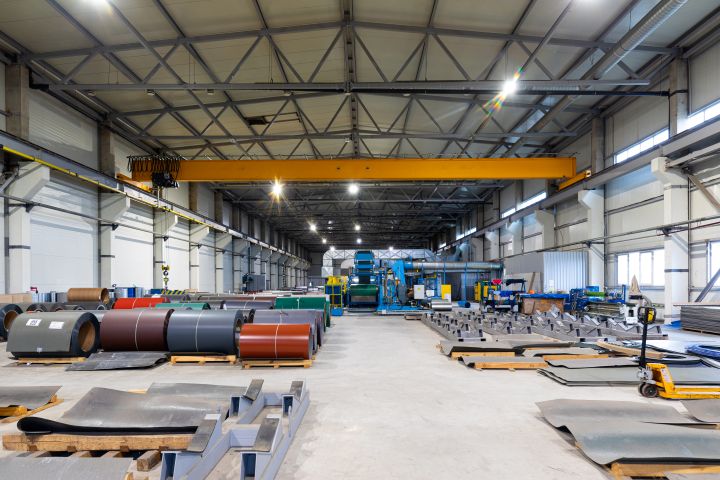
Understanding Industrial Real Estate
Choosing industrial real estate is a critical decision for businesses looking to expand or establish a presence in a new location. The right property can significantly impact operational efficiency, costs, and long-term success. However, finding the ideal industrial space involves evaluating several key factors that can affect everything from logistics to future growth potential. Understanding these factors is essential to making an informed choice that aligns with both current and future business needs. Whether you are considering warehouse space, manufacturing facilities, or distribution centers, each decision must be carefully weighed to ensure it supports the goals of your business.
I’m Joe Stance, bringing eighteen years of experience in industrial real estate within the Inland Empire. I have guided numerous companies through leasing and acquisitions, ensuring smart, strategic decisions. Let's explore the details so you can make informed choices in this thriving market.
Key Factors in Choosing Industrial Real Estate
Industrial real estate is a versatile and specialized segment of the commercial property market. Let's break it down into its core components to help you make informed investment decisions.
Types of Industrial Properties
Industrial properties are typically categorized based on their primary functions: manufacturing facilities, storage and distribution centers, and flex spaces. Each type of property serves a distinct purpose and is designed to meet specific business requirements. Manufacturing facilities are tailored for production and assembly operations, offering specialized spaces and infrastructure to support heavy machinery and production lines. Storage and distribution centers, on the other hand, focus on efficiently storing and moving goods, often located near major transportation hubs to facilitate quick access to markets. Flex spaces provide a versatile solution, offering a combination of office, storage, and light manufacturing areas that can be easily adapted to a variety of business needs. Understanding the nuances of each category is crucial in selecting the right property to match the unique requirements and growth trajectory of a business.
Manufacturing Facilities
Manufacturing facilities are where products come to life. They are divided into two main types: heavy manufacturing and light manufacturing.
- Heavy Manufacturing: These facilities are large, often exceeding tens of thousands of square feet. They require robust infrastructure to support heavy machinery, loading docks, and significant electrical power.
- Light Manufacturing: These are more flexible spaces, often smaller and easier to adapt for various tenants. They are ideal for light assembly and basic manufacturing processes.
Storage and Distribution
The rise of e-commerce has fueled demand for storage and distribution spaces. These properties are crucial for managing inventory and ensuring timely delivery to customers.
- Distribution Warehouses: These are busy hubs designed to meet the demands of same-day delivery services. They require vast spaces for stocking products and efficient loading docks for the constant flow of goods.
- Storage Warehouse Space: These are more general-purpose warehouses, often used for storing products that don't need frequent access. Cold storage facilities, for instance, serve niche markets by providing specialized refrigeration solutions.
- Truck Terminals: These serve as intermediate stops for transportation, focusing on vehicle storage and transfer rather than product storage.
Flex Space
Flex spaces combine office and industrial functions, offering businesses the flexibility to operate seamlessly from a single location. They typically allocate one-third of the space to offices, with the rest available for various industrial uses.
- Car Dealerships: Need a showroom and office space in one location to manage sales and paperwork efficiently.
- Data Centers: These are essential in the digital economy, housing servers and equipment that keep the internet running smoothly.
- Research Bases: Provide adaptable layouts and privacy for companies engaged in innovative projects.
Class Types of Industrial Real Estate
Industrial properties are also classified into three classes based on quality, age, and location: Class A, Class B, and Class C.
- Class A Industrial: These are the top-tier properties, often new and located in prime areas with high-quality infrastructure. They attract high-income tenants and offer low vacancy rates, making them ideal for preserving capital.
- Class B Industrial: These properties are usually older but still functional. They offer value-add opportunities through renovations and can yield good returns if located in desirable areas.
- Class C Industrial: Typically the oldest and least desirable, these properties require significant upgrades. However, they can be transformed into higher-value assets with the right investment and creativity.
Understanding these types and classes of industrial properties is crucial for making informed investment decisions. By recognizing the unique characteristics and potential of each, you can better align your choices with your financial goals.
Key Considerations for Choosing Industrial Real Estate
When investing in industrial real estate, there are several key factors to consider to ensure a successful investment. Let's explore the most important aspects: location strategies, zoning requirements, and property size.
Location Strategies
Choosing the right location for industrial real estate is crucial. It's not just about finding a good spot; it's about finding the right spot for your needs.
- Transportation Hubs: Industrial properties near major transportation hubs, like highways, railroads, and ports, offer significant advantages. They ensure efficient movement of goods, reducing transportation costs and delivery times. For example, the Inland Empire in California is a prime location for distribution centers due to its proximity to major highways and ports.
- Population Centers: Being close to population centers can be beneficial, especially for businesses involved in last-mile delivery. This location strategy is essential for companies looking to meet the growing demands of e-commerce, where fast delivery times are a competitive advantage.
Zoning Requirements
Understanding zoning requirements is essential when selecting an industrial property. Zoning laws dictate what can and cannot be done with a property.
- Industrial Zoning: Industrial properties are typically located in areas specifically zoned for industrial use. This ensures that the property can legally accommodate activities like manufacturing, warehousing, and distribution. Before purchasing, check the local zoning regulations to ensure your intended use is permitted.
- Building Codes: Compliance with building codes is crucial. These codes ensure that the property meets safety and structural standards. They can vary significantly between regions, so it's important to research the specific requirements in your area. Engaging with local authorities or a knowledgeable real estate agent can help steer these complexities.
Property Size
The size of the property should align with your business needs and future growth plans.
- Scalability: Consider whether the property can accommodate future expansion. If your business grows, you'll want the option to expand without relocating.
- Functionality: The layout and size should suit your operational needs. For example, a distribution center requires ample space for loading docks and storage, while a manufacturing facility may need large open areas for machinery.
Pros and Cons of Investing in Industrial Real Estate
Investing in industrial real estate can be a compelling opportunity, but like any investment, it has its upsides and downsides. Let's break down the key pros and cons.
Pros
1. Long-Term Leases
One of the biggest advantages of industrial real estate is the potential for long-term leases. Industrial tenants often sign leases that last several years, providing a stable and predictable income stream. This stability is a huge plus for investors looking for consistency in their returns.
2. High Rental Income
Industrial properties can generate high rental income. Many businesses are willing to pay a premium for well-located and functional industrial spaces. This is especially true in areas with high demand, such as the Inland Empire in California, known for its booming distribution centers.
3. Low Maintenance
Industrial buildings typically require less maintenance than commercial or residential properties. Since they are primarily used for storage, manufacturing, or distribution, the focus is on functionality rather than aesthetics. This means fewer costs and headaches for the property owner.
Cons
1. Risk of Vacancy
While industrial properties can be lucrative, they also come with a risk of vacancy. The market for industrial space is more niche, and finding new tenants can take time if a lease ends or a business shuts down. This can lead to periods without rental income, impacting your overall returns.
2. High Interest Rates
Financing industrial real estate can be expensive. Loans for these properties often come with higher interest rates compared to residential properties. This is because banks view them as riskier investments. As a result, the cost of borrowing can eat into your profits.
3. Obsolescence
The industrial market is constantly evolving. New technologies and regulations can render some properties obsolete if they can't adapt. For instance, a facility with low ceilings may not accommodate modern equipment, making it less attractive to potential tenants. It's crucial to choose properties with flexibility to withstand changes in the market.
Frequently Asked Questions about Industrial Real Estate
What drives demand for industrial real estate?
E-commerce and Supply Chain Optimization
The surge in e-commerce has been a major driver for industrial real estate. As online shopping grows, the need for warehouses and distribution centers skyrockets. Businesses aim to deliver products faster, which requires strategically located facilities near major transportation hubs.
Supply chain optimization is another key factor. Companies are rethinking their logistics to be more efficient and resilient. This means investing in industrial spaces that are well-connected and can support advanced technologies like automation.
Is industrial real estate risky?
Tenant Challenges and Property Obsolescence
Like any investment, industrial real estate has its risks. One major concern is tenant challenges. Industrial spaces can sit empty for longer periods if a tenant leaves, as finding a replacement might take time.
Property obsolescence is another risk. The industrial sector evolves rapidly, with new technologies and regulations emerging. A facility that can't adapt may become outdated. For example, older buildings might not accommodate modern equipment, making them less appealing to potential tenants.
How Stance CRE Can Help You
At Stance Commercial Real Estate, we understand that choosing the right industrial real estate is crucial for your business success. Our approach is rooted in local market expertise and a commitment to service over profit, making us your ideal partner in navigating the complexities of the industrial property landscape.
Local Market Expertise
Being based in Riverside, we have a deep understanding of the local market dynamics. This knowledge is not just about knowing the streets and buildings; it's about understanding the community's history, culture, and future developments. This insight allows us to offer advice custom to your specific needs, helping you make informed decisions.
Service Over Profit
Our philosophy is simple: we prioritize your needs over our profits. We believe that a successful transaction is not just about closing a deal but about building lasting relationships. Our team is dedicated to providing a seamless experience from start to finish, ensuring that you feel supported every step of the way.
Whether you're looking to invest in a warehouse, distribution center, or flex space, we're here to guide you. Our commitment to transparency, communication, and integrity ensures that you're not just investing in a property, but in a community that aligns with your business goals.
Ready to explore the opportunities in the industrial real estate market? Let us help you find the perfect property that meets your needs. Visit our services page to learn more about how we can assist you in making strategic investments that drive growth and success.

What is Commercial Real Estate Property Management?
Commercial real estate property management involves overseeing the day-to-day operations and maintenance of commercial properties, such as office buildings, shopping centers, industrial parks, and multi-family complexes. The role of a property manager in this field is to ensure that the property runs smoothly and remains profitable for the owner. This includes tasks such as leasing space to tenants, collecting rent, handling maintenance and repairs, ensuring compliance with local regulations, managing budgets, and addressing tenant concerns. Effective commercial property management can improve tenant satisfaction, increase the property's value, and maximize the return on investment for the owner.
At its core, it involves:
- Day-to-day operations: Keeping the property operating smoothly.
- Financial oversight: Managing budgets, rents, and expenses.
- Tenant relations: Ensuring tenant satisfaction and retention.
- Property maintenance: Regular upkeep to maintain property quality and mitigate costs.
Investing in commercial real estate might seem like a path to easy passive income, but it’s anything but passive. Managing a property, whether it’s an office building, retail space, or industrial property, requires attention to detail and a significant time commitment.
That’s why many successful property owners turn to professional commercial property management firms. Having experts manage your property not only ensures smooth operations but also allows you to expand your portfolio without the constant worry of day-to-day property issues.
I’m Joe Stance. With nearly eighteen years in the commercial real estate industry, I have guided countless businesses and property owners through the complexities of property management. Let's dive deeper into what you need to know to succeed in commercial real estate property management.
What is Commercial Real Estate Property Management?
Commercial real estate property management involves the daily oversight of commercial properties like office buildings, retail spaces, and industrial facilities. The goal is to keep these properties in top condition while ensuring they generate income for their owners.
Roles and Duties of a Property Manager
A property manager is the owner's representative. Their main job is to make sure everything runs smoothly. Here are some key roles and duties:
- Operations: Managing the day-to-day activities such as maintenance, tenant relations, and emergency responses.
- Finance: Overseeing rent collection, budgeting, and financial reporting.
- Tenant Management: Handling tenant issues, lease agreements, and evictions if necessary.
- Maintenance: Ensuring that the property is well-maintained, including landscaping and repairs.
- Legal Compliance: Making sure the property complies with all local, state, and federal laws.
Types of Properties Managed
Property management can apply to various types of commercial real estate:
- Office Buildings: From small single-tenant offices to large skyscrapers.
- Retail Spaces: Such as shopping centers, strip malls, and standalone stores.
- Industrial Properties: Including warehouses, manufacturing plants, and distribution centers.
Key Responsibilities of a Commercial Property Manager
A commercial property manager wears many hats. From routine maintenance to financial oversight, their responsibilities ensure that the property remains in top shape and profitable. Let's break down their key duties.
Operational Responsibilities
Preventative Maintenance
Preventative maintenance is crucial. It includes routine inspections, replacing lighting and air filters, and ensuring that landscaping and trash are managed. For example, a well-maintained landscape can create a positive first impression for visitors and tenants. This is especially important for office spaces and multifamily properties.
Property Upgrades
As properties age, upgrades to HVAC, plumbing, and electrical systems become necessary. These upgrades extend the property's useful life and keep it in good working order. Regular updates can prevent costly repairs down the line.
Landscaping
First impressions matter. A property’s landscaping is often the first thing visitors see. Well-kept grounds can attract and retain tenants. Think of it as curb appeal for commercial spaces.
Tenant Management
Managing tenant issues is a big part of the job. Whether a tenant needs a repair or has a specific request, the property manager handles it. Keeping tenants happy is key to retaining them.
Emergency Response
Emergencies happen. Whether it's a burst pipe or storm damage, the property manager must respond quickly. They keep the property owner updated and ensure necessary repairs are made promptly.
Staffing
If the property requires a full-time staff, the property manager hires and trains them. This may include an assistant property manager, maintenance staff, and accounting staff.
Evictions
If a tenant fails to pay rent, the property manager handles the eviction process. This includes notifying the tenant and managing the legal aspects of the eviction.
Financial Responsibilities
Rent Collection
Rent collection is a primary responsibility. The property manager ensures that tenants pay rent on time. This includes collecting rent, crediting tenant accounts, and making bank deposits.
Late Payments and Fees
If a tenant is late on rent, the property manager issues late payment notices and collects any additional fees. This ensures that cash flow remains steady.
Reporting
Property managers provide financial reports to the property owner. These reports include expenses, budget vs. actual analysis, delinquencies, and cash reserve balances. Accurate reporting helps the owner make informed decisions.
Budgeting
Each year, the property manager sets the operational budget. They work with the property owner to ensure that financial performance aligns with projections.
Financial Oversight
A property manager oversees all financial aspects of the property. This includes managing expenses, capital expenditures, and ensuring that the property remains profitable.
By handling these responsibilities, a commercial property manager ensures that the property is well-maintained and financially sound. This allows property owners to focus on growing their portfolios.
Benefits of Hiring a Commercial Property Management Company
Hiring a commercial property management company comes with many advantages. Let's break down the key benefits:
Tenant Retention
A happy tenant is a long-term tenant. Property management companies focus on keeping tenants satisfied by addressing their needs promptly and professionally. This includes handling maintenance requests, resolving issues, and sometimes even organizing community events. Happy tenants are less likely to leave, reducing vacancy rates and ensuring a steady rental income.
Property Maintenance
Regular maintenance is crucial to keep a property in good condition. Property management companies handle everything from routine inspections to emergency repairs. They often have a network of trusted contractors, ensuring that any maintenance work is done efficiently and cost-effectively. This proactive approach helps in:
- Extending the life of the property
- Preventing costly repairs
- Keeping the property attractive to current and potential tenants
Financial Management
Managing the finances of a commercial property can be complex. Property management companies take care of rent collection, late payments, and financial reporting. They also handle budgeting, ensuring that the property's financial performance aligns with projections. This financial oversight includes:
- Rent Collection: Ensuring timely rent payments
- Late Payments: Managing and collecting any overdue fees
- Reporting: Providing detailed financial reports to property owners
- Budgeting: Setting and maintaining an operational budget
This allows property owners to focus on growing their portfolios without worrying about day-to-day financial management.
Legal Compliance
Navigating the legal aspects of property management can be daunting. Property management companies ensure that all activities comply with local, state, and federal laws. This includes:
- Handling evictions
- Ensuring lease agreements are legally sound
- Keeping up with changes in property laws and regulations
This legal expertise helps property owners avoid costly legal mistakes and ensures that the property is managed according to the law.
Stress Reduction
Managing a commercial property is a full-time job that can be stressful and time-consuming. By hiring a property management company, property owners can offload the daily responsibilities and focus on other important aspects of their business or personal life. This stress reduction is invaluable, as it allows owners to enjoy the benefits of property ownership without the headaches.
Costs Associated with Commercial Property Management
When it comes to commercial real estate property management, understanding the costs involved is crucial. These costs can significantly impact your property's cash flow and overall profitability.
Percentage of Gross Rent
Property management companies typically charge a fee based on a percentage of the property's gross rent. This percentage can range from 2% to 10% depending on factors like property size and complexity. For instance, if a property generates $1,000,000 in gross rent annually and the management fee is 5%, the base fee would be $50,000.
Additional Fees
Beyond the base percentage, there are often additional fees for specific services:
- Maintenance Calls: Some managers charge for each maintenance request.
- Lease Signings: Fees may apply for every new lease signed.
- Evictions and Legal Issues: Handling evictions or legal matters can incur extra costs.
These additional fees can add up, so understand what is included in your management contract.
Cost Impact
Professional property management services can be expensive, but they also bring value. For example, effective management can lead to higher tenant satisfaction, lower vacancy rates, and better-maintained properties. However, these services come with a price, and it's important to weigh the benefits against the costs.
Service Contracts
Most property management companies work on multi-year service contracts. These contracts can provide stability and ensure that your property is consistently managed. However, they also lock you into a long-term commitment, so it's important to choose a reputable company.
Top Qualities to Look for in a Property Manager
Choosing the right property manager can make or break your commercial real estate investment. Here are the top qualities to look for:
Experience
Experience is crucial. A seasoned property manager has seen it all and knows how to handle various situations. They should have a proven track record of success managing commercial properties. Look for managers who can provide examples of how their work has positively impacted the properties they have managed.
Certifications
Certifications are a sign of professionalism and expertise. Qualified property managers often hold industry-recognized certifications like being a Certified Residential Management Company (CRMC) or an Accredited Management Organization (AMO). These certifications indicate that the manager adheres to high standards and stays updated with industry best practices.
Association Membership
Being active in trade associations like the National Association of Community Managers shows that a property manager is committed to their profession. Membership in such associations often provides access to the latest industry trends, educational resources, and a network of other professionals.
Licenses & Education
A good property manager should have the necessary licenses to operate in your state. While a high school diploma is the minimum requirement, a bachelor’s degree is preferable. This education ensures they have a solid foundation in real estate principles and practices.
References
Always ask for references. A reputable property manager should be able to provide contact information for past clients who can vouch for their work. Speaking with these references can give you valuable insights into the manager’s reliability and effectiveness.
Frequently Asked Questions about Commercial Real Estate Property Management
What does a large real estate services firm typically do?
A large real estate services firm provides a wide range of services, including commercial property management. They manage various types of properties, such as office buildings, retail spaces, and industrial facilities. Their responsibilities include:
What does CRE mean in real estate?
CRE stands for Commercial Real Estate. It refers to properties used for business activities rather than residential purposes. These properties can include:
- Office Buildings: Spaces used for business operations.
- Retail Spaces: Stores, shopping centers, and malls.
- Industrial Properties: Warehouses, factories, and distribution centers.
CRE properties are typically leased to tenants who use the space to conduct income-generating activities. The management of these properties involves maintaining the physical condition, handling tenant relations, and ensuring financial stability.
How Stance CRE Can Help You
At Stance Commercial Real Estate, we believe that successful commercial property management goes beyond just maintaining buildings. It's about understanding the unique needs of our Riverside community and delivering exceptional service.
Our local market expertise sets us apart. We live, work, and invest here, giving us an insider's perspective on the nuances of the Riverside market. This knowledge allows us to provide custom advice and strategies that align perfectly with your business goals.
Our approach is rooted in service over profit. We prioritize transparent communication, integrity, and a hands-on methodology to ensure that every client feels supported and satisfied. From identifying the perfect property to negotiating contracts and managing post-sale logistics, we are with you every step of the way.
If you're considering investing in commercial real estate in Riverside, let Stance Commercial Real Estate guide you through the process. Our expertise is your asset in making informed, strategic decisions that drive growth and success.
Find more about our services and how we can help you capitalize on Riverside's dynamic market by visiting our Commercial Real Estate Information Page.

Generating Passive Income in Commercial Real Estate
Generating passive income through commercial real estate offers an attractive avenue for investors looking to build wealth with minimal active involvement. By leveraging the income-producing potential of properties such as office buildings, retail centers, and industrial spaces, investors can create a steady stream of cash flow without the daily demands of traditional business operations. With the right strategies, commercial real estate presents an opportunity to diversify investment portfolios, reduce financial risk, and enjoy long-term financial stability. Understanding the key principles and opportunities in this sector can set you on a path to creating substantial, ongoing passive income.
I'm Joe Stance, and I've dedicated over a decade to mastering the art of commercial real estate in Riverside and beyond. As a seasoned expert, my experience aligns perfectly with providing passive income insights custom for your success. Let's explore how you can tap into these potent strategies.
What is Passive Income?
Passive income in commercial real estate refers to the earnings generated from owning and renting out commercial properties, such as office buildings, retail centers, or industrial spaces, with minimal active involvement. This income is typically derived from tenants who lease the space and pay rent, while the property owner enjoys a steady stream of cash flow without having to be involved in day-to-day operations or management.
The key to passive income in commercial real estate lies in the property’s ability to produce consistent rental income, often backed by long-term leases, which helps stabilize revenue. Owners can maximize passive income by acquiring well-located, high-demand properties and working with property managers to handle the operational tasks, such as maintenance and tenant relations. Over time, commercial real estate can also appreciate in value, offering capital gains in addition to regular income.
The Ultimate Guide to Generating Passive Income
Generating passive income is about making your money work for you, rather than the other way around. It's a strategy that allows you to earn money with minimal ongoing effort. Here's how you can get started:
Passive Income Strategies
Investment-Driven Income
This involves putting your money into assets that generate returns. Think of it as planting seeds that grow over time. In commercial real estate, this can mean investing in rental properties or Real Estate Investment Trusts (REITs). These investments can provide steady income through rent or dividends.
Rental Properties: Owning commercial rental properties is a classic way to generate passive income. By leasing space to businesses, you can create a consistent cash flow. The key is to find properties in high-demand areas like Riverside, CA, where businesses are booming.
REITs: These are companies that own, operate, or finance income-generating real estate. Investing in REITs is like buying shares in a property portfolio. It's a hands-off way to earn dividends from real estate without having to manage properties yourself.
Resource-Based Income
This strategy leverages what you already have. For instance, if you own a property, you could rent it out. Or, if you have expertise in a particular area, you could create digital products like e-books or courses. The goal is to use existing resources to generate money.
Crowdfunding: This is a way to pool resources with other investors to fund large real estate projects. It's a growing trend that allows you to invest in commercial real estate with a smaller initial investment. Platforms like Fundrise have made it easier than ever to get started.
Digital Products: If you have knowledge or skills in real estate, consider creating online courses or writing e-books. These can be sold repeatedly without much additional effort, providing a steady stream of income.
Key Takeaways
- Diversify Your Portfolio: Use a mix of investment-driven and resource-based strategies to spread risk and maximize returns.
- Leverage Your Assets: Think creatively about how to use what you already have to generate income.
- Start Small: You don't need a fortune to begin. Start with what you can afford and scale up as your income grows.
Top Ways to Generate Passive Income in Commercial Real Estate
When it comes to generating passive income in commercial real estate, three key strategies stand out: rental properties, Real Estate Investment Trusts (REITs), and crowdfunding. Each offers unique benefits and challenges, and understanding these can help you make informed decisions.
Rental Properties
Owning rental properties is a tried-and-true method for generating passive income. By leasing commercial spaces to businesses, you can secure a steady stream of rental income. The success of this strategy largely depends on location. For instance, properties in high-demand areas like Riverside, CA, can yield significant returns due to the thriving business environment.
Benefits:
- Consistent Cash Flow: Monthly rental payments provide a reliable income.
- Property Appreciation: Over time, the value of the property can increase, adding to your wealth.
- Tax Advantages: Expenses like mortgage interest and property management fees may be deductible.
Risks:
- Tenant Issues: Late payments or property damage can occur.
- Market Fluctuations: Economic downturns can affect occupancy rates and rental prices.
Real Estate Investment Trusts (REITs)
Investing in REITs allows you to own a share of a diversified portfolio of real estate assets without the hassles of property management. REITs are companies that own, manage, or finance income-generating real estate and distribute most of their income as dividends.
Benefits:
- Hands-Off Investing: Professional management of properties.
- Liquidity: Easily buy and sell shares on the stock market.
- Diversification: Exposure to various property types and locations.
Risks:
- Interest Rate Sensitivity: REIT dividends can be less attractive as interest rates rise.
- Market Conditions: Real estate market downturns can impact REIT performance.
Crowdfunding
Crowdfunding platforms like Fundrise offer a modern approach to real estate investment. By pooling resources with other investors, you can participate in larger commercial real estate projects with a relatively small initial investment.
Benefits:
- Lower Entry Barriers: Invest with smaller amounts compared to traditional real estate.
- Access to Exclusive Deals: Invest in properties that might otherwise be inaccessible.
- Portfolio Diversification: Spread risk across multiple projects.
Risks:
- Limited Liquidity: Investments may be locked in for a set period.
- Economic Downturns: Project success can be affected by broader economic conditions.
By exploring these strategies, you can find the right fit for your financial goals and risk tolerance. Whether you choose rental properties, REITs, or crowdfunding, each path offers the potential for substantial returns and financial growth. Next, we'll look at the benefits of passive income in commercial real estate.
Benefits of Passive Income in Commercial Real Estate
Generating passive income through commercial real estate offers several compelling benefits. Let's explore how these advantages can improve your financial well-being.
Financial Security
Passive income provides a safety net. With regular income from properties, you have a cushion against financial uncertainties. Whether it's rental income from commercial spaces or dividends from REITs, these earnings can help offset unexpected expenses or job loss.
In areas like Riverside, CA, where the business environment is robust, commercial properties often maintain high occupancy rates, ensuring consistent cash flow.
Diversification
Investing in commercial real estate allows you to diversify your income sources. Instead of relying solely on stocks or a single business venture, you can spread your risk across different property types and locations. This diversification can stabilize your income and protect against market volatility.
- REITs offer diversification by pooling various real estate assets.
- Crowdfunding lets you invest in multiple projects, reducing risk exposure.
Diversification through real estate can "smooth your returns" and provide a balanced portfolio, as noted in the research.
Tax Advantages
Commercial real estate investment comes with significant tax benefits. Expenses such as mortgage interest, property management fees, and depreciation can be deducted, reducing your taxable income. Additionally, strategies like the 1031 Exchange allow you to defer capital gains taxes by reinvesting in similar properties.
"The IRS rules allow a tax deferral strategy known as a 1031 Exchange." - Stance Real Estate
These tax advantages can improve your overall returns, making commercial real estate an attractive option for building wealth.
The Ultimate Guide to Generating Passive Income: Key Considerations
When diving into The Ultimate Guide to Generating Passive Income, it's crucial to weigh several key considerations. These factors will help you steer commercial real estate with confidence and clarity.
Risk Tolerance
Understanding your risk tolerance is vital. It dictates how much uncertainty you can handle with your investments. In commercial real estate, risks can include market fluctuations, tenant defaults, or property devaluations.
Initial Investment
The initial investment in commercial real estate can be significant. Whether purchasing a property outright, investing in a REIT, or participating in a crowdfunding project, the upfront costs can vary widely.
- REITs: Often have lower entry costs, allowing you to start with smaller amounts.
- Direct Property Investment: Typically requires substantial capital for purchase and maintenance.
Consideration: Assess your available resources and financial goals to determine how much you can comfortably invest without overextending yourself.
Market Conditions
Market conditions play a critical role in the success of your passive income strategy. Economic indicators like interest rates, employment rates, and local market trends can affect property values and rental demand.
- Economic Trends: Keep an eye on broader economic factors such as GDP growth and interest rates.
- Local Market Insights: Investigate local conditions, such as zoning laws and infrastructure developments, to identify promising opportunities.
Pro Tip: Regularly update your market research and adapt your strategy to stay ahead of changes. This proactive approach can help you capitalize on opportunities and mitigate risks.
Frequently Asked Questions about Passive Income in Commercial Real Estate
What are the risks involved in commercial real estate investments?
Investing in commercial real estate comes with its share of risks:
- Market Volatility: Economic downturns can affect property values and rental income. A downturn could reduce demand for commercial spaces.
- Tenant Risks: High vacancy rates or unreliable tenants can impact your cash flow. It's crucial to have a plan for tenant turnover.
- Property Management: Managing commercial properties can be time-consuming. Consider hiring professional management to mitigate this risk.
How much can I earn from commercial real estate passive income?
Earnings from commercial real estate vary widely based on several factors:
- Property Type and Location: Prime locations and high-demand property types usually yield higher returns.
- Investment Type: Direct property ownership might offer more control and potentially higher returns, whereas REITs and crowdfunding can provide stable, albeit often lower, dividends.
- Market Conditions: Strong economic growth and low interest rates typically boost rental income and property values.
Example Earnings:
- REITs: Typically offer dividend yields ranging from 1% to 10% annually.
- Rental Properties: The average landlord might earn around $16,000 annually, though this can vary based on property expenses and market conditions.
How Stance CRE Can Help You
At Stance Commercial Real Estate, we believe that success in commercial real estate goes beyond just making a profit. Our commitment to service over profit is what sets us apart. Founded by Joe and Heidi Stance, our company thrives on providing exceptional service and leveraging our deep local market expertise in Riverside and the Inland Empire, California.
Why Choose Stance Commercial Real Estate?
Local Market Expertise: Our team lives and breathes the Riverside culture. Being part of the community allows us to understand the nuances of the local market better than anyone else. This knowledge helps us guide you in making informed decisions that align with your investment goals.
Service Over Profit: We prioritize your needs and interests above all else. Whether you're a seasoned investor or new to commercial real estate, our focus is on helping you achieve financial freedom through strategic investments.
Comprehensive Support: From initial consultations to ongoing management, we offer a full suite of services to ensure your investment journey is smooth and rewarding. Our team is equipped with the latest technology and industry insights to provide you with the best possible experience.
Your Path to Financial Freedom
By partnering with Stance Commercial Real Estate, you're not just investing in property; you're investing in a future where your money works for you. Our approach is custom to help you generate passive income and build a diversified portfolio that stands the test of time.
Ready to take the next step? Learn more about how we can assist you in your commercial real estate endeavors by visiting our commercial real estate information page.
Let us help you turn your real estate aspirations into reality, with a team that's as committed to your success as you are.