

Why Understanding Commercial Buildings is Important
Owning a commercial building can be a lucrative investment. However, navigating through its complexities is no small feat. If you’re looking for a quick answer on what a commercial building entails, here it is:
A commercial building is a property used for business activities, such as offices, retail stores, warehouses, and multifamily apartments.
Now, let’s dive in deeper.
Choosing the right commercial building is critical for your business growth and financial health. Location, building condition, and zoning laws are just a few of the essential elements to consider. Whether you’re leasing or buying, understanding these aspects can help you make a well-informed decision and maximize your investment returns. Riverside’s dynamic market, for example, offers unique opportunities and challenges that can significantly impact your business.
I’m Joe Stance, founder of Stance Commercial Real Estate. With over ten years in the commercial real estate industry, I’ve guided countless businesses through the complexities of buying, leasing, and managing commercial properties. My experience ensures that you get the best advice and services tailored to your needs.

Understanding Commercial Building Types
When it comes to commercial buildings, understanding the different types is crucial. Each type has unique features, benefits, and challenges. Here, we’ll break down the main categories: Office, Retail, Industrial, Multi-Family, and Mixed-Use.
Office Buildings
Office buildings are designed for business use. They range from small, single-tenant offices to large skyscrapers.
- Class A: These are the top-tier buildings. They are new, in prime locations, and have high-quality finishes. They attract high-quality tenants and command the highest rents.
- Class B: These buildings are a step down from Class A. They are older or in less desirable locations but still offer good quality and lower rents.
- Class C: These are the oldest buildings, often in need of major renovations. They are usually in less attractive areas and have higher vacancy rates.
Retail Spaces
Retail spaces are where businesses sell goods or services to consumers. They come in various forms:
- Standalone Stores: These are individual buildings occupied by a single tenant.
- Strip Malls: These are clusters of stores with shared parking.
- Shopping Centers: Larger complexes that may include big-box stores, restaurants, and entertainment facilities.
Retail properties are designed to maximize foot traffic and visibility. For example, retail spaces in Riverside, CA, are known for their vibrant commercial activity.
Industrial Properties
Industrial properties are used for manufacturing, storage, and distribution. They include:
- Warehouses: Large spaces for storage and distribution.
- Manufacturing Plants: Facilities where products are made.
- Flex Spaces: Buildings that can be used for multiple purposes, such as office and industrial.
These properties are often located near major transport routes to enhance logistical efficiency. For instance, 1975 Rt 309 in South Whitehall, PA, is a prime industrial property with excellent transport access.
Multi-Family Buildings
Multi-family buildings are residential properties with five or more units. They include:
- Apartment Complexes: Large buildings with multiple rental units.
- Condos: Similar to apartments but typically owned individually rather than rented.
Multi-family properties offer stable revenue streams, especially in growing areas. For example, 960-966 Hamilton St in Allentown, PA, is a notable multi-family property.
Mixed-Use Complexes
Mixed-use complexes blend residential, commercial, and sometimes industrial spaces in one location. These properties cater to a trend towards integrated living and working spaces. They are popular in urban areas where space is at a premium.
Mixed-use developments offer several advantages, such as diversified income streams and higher occupancy rates. They are ideal for investors looking for a blend of residential and commercial opportunities.
By understanding these different types of commercial buildings, you can better navigate the complexities of commercial real estate and make informed investment decisions.
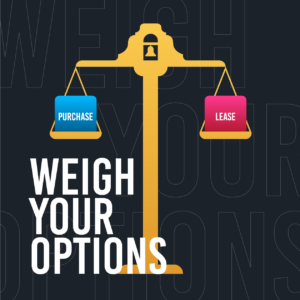
Next, we’ll dive into the key considerations in commercial building ownership to help you further understand what it takes to succeed in this field.
Key Considerations in Commercial Building Ownership
Owning a commercial building can be a lucrative investment, but it comes with its own set of challenges. Here’s a breakdown of key considerations to keep in mind:
Location
Location is crucial in commercial real estate. A prime location can attract high-quality tenants and command higher rents. For example, properties like 2428 Walbert Avenue in South Whitehall boast exceptional visibility to over 20,000 vehicles per day (VPD), making them highly desirable.
Consider the following when evaluating a location:
– Traffic Flow: High visibility can lead to higher foot traffic.
– Accessibility: Easy access to highways and public transportation can be a huge plus.
– Demographics: Ensure the location suits the target market for your tenants.
Property Management
Good property management is essential for maintaining the value of your investment. Poor management can lead to high vacancy rates and deteriorating property conditions.
Key aspects of property management include:
– Tenant Relations: Building a good rapport with tenants can result in longer leases and fewer vacancies.
– Maintenance: Regular upkeep prevents small issues from becoming costly repairs.
– Financial Management: Keeping accurate financial records is crucial for tax purposes and understanding your return on investment (ROI).
Legal Compliance
Navigating the legal landscape is a must for any commercial property owner. Failure to comply with local, state, and federal regulations can result in hefty fines and legal issues.
Important areas to consider:
– Zoning Laws: Ensure the property is zoned for its intended use.
– Building Codes: Regular inspections can help you stay compliant with safety regulations.
– Lease Agreements: Draft clear and enforceable lease agreements to protect your interests.
Maintenance
Regular maintenance is key to preserving the value of your property. A well-maintained building attracts and retains tenants, reducing vacancy rates and increasing ROI.
Areas to focus on:
– Routine Inspections: Regularly check for issues like plumbing leaks, electrical problems, and structural damage.
– Upgrades: Consider upgrades that can improve energy efficiency and reduce long-term costs.
– Emergency Repairs: Have a plan in place for handling urgent repairs to minimize disruption for tenants.
By paying close attention to these key considerations, you can navigate the complexities of owning a commercial building and set yourself up for long-term success.
Next, let’s explore the financial aspects of owning a commercial building to understand the investment potential and financing options available.
Financial Aspects of Owning a Commercial Building
When it comes to owning a commercial building, understanding the financial aspects is crucial. Let’s break down some key topics: investment potential, cap rates, off-market deals, and financing options.
Investment Potential
Commercial buildings can be a lucrative investment. They often appreciate over time, offering both rental income and capital gains. For example, if you buy a property for $2.5 million and sell it two years later for $2.8 million, you would have a capital gain of $300,000.
Rental Income: Owning a commercial property allows you to earn rental income. If you’re not using all the space, you can lease it to other businesses. This provides a steady cash flow, which can help offset mortgage payments and other expenses.
Tax Breaks: You can also benefit from tax deductions for mortgage interest and annual depreciation. These deductions can significantly reduce your taxable income, making the investment even more attractive.
Cap Rates
Cap rate, or capitalization rate, is a key metric in commercial real estate. It helps you understand the potential return on your investment.
Formula: Cap Rate = Net Operating Income (NOI) / Purchase Price
For example, if a building generates $100,000 in annual net income and costs $1 million, the cap rate is 10%. A higher cap rate generally indicates a higher return, but also higher risk.
Off-Market Deals
Off-market deals are properties not listed publicly. They can offer unique opportunities for savvy investors. These deals often come with less competition and can be negotiated more flexibly.
Finding Off-Market Deals: Networking is key. Building relationships with brokers, property managers, and other investors can help you find these hidden gems.
Financing Options
Financing a commercial building can be complex, but there are several options available:
- Traditional Loans: Banks offer commercial real estate loans, but they often require a down payment of 20-35%.
- SBA Loans: Small Business Administration (SBA) loans are a great option for owner-users. They usually require only a 10% down payment.
- Private Lenders: These lenders offer more flexible terms but at higher interest rates.
- REITs: Real Estate Investment Trusts (REITs) allow you to invest in commercial properties without owning them directly. This is a good option for those looking for less hands-on involvement.
Down Payments: Be prepared for a significant upfront cost. Down payments typically range from 15-30% of the purchase price. For example, a $1 million property might require $150,000 to $300,000 upfront.
Liabilities: Owning a commercial property comes with responsibilities. You’ll need liability insurance to protect against lawsuits and property damage.
By understanding these financial aspects, you can make informed decisions and maximize the return on your investment in a commercial building.
Next, we’ll dive into the challenges and solutions in commercial real estate to help you navigate tenant management, market fluctuations, and more.
Challenges and Solutions in Commercial Real Estate
Owning a commercial building can be rewarding, but it comes with its own set of challenges. Here’s how to navigate some common issues:
Tenant Management
Managing tenants can be tricky. Tenant turnover is higher in commercial properties compared to residential ones. Each business has unique needs, which can lead to costly refurbishments.
Solution: Qualify tenants by examining their credit and financial history. This minimizes the risk of lease breaches. A commercial real estate expert can help assess a tenant’s past financials and leasing history. This ensures you attract reputable and creditworthy tenants.
Building Upgrades
Each tenant may require different modifications to the space, leading to high renovation costs.
Solution: Negotiate tenant improvements upfront. Discuss who will handle the renovations and the costs involved. Ensure you understand the terms, like whether you need to repay the improvement allowance if you end the lease early.
Market Fluctuations
Market conditions can change rapidly, affecting property values and rental income. The 2008 recession and the COVID-19 pandemic are prime examples of how external factors can impact the commercial real estate market.
Solution: Diversify your investment portfolio. Combining both commercial and residential investments can provide more stability. Stay informed about market trends and be prepared to adapt your strategy as needed.
Environmental Regulations
Environmental regulations are becoming stricter. Commercial buildings are responsible for a significant portion of energy usage and CO2 emissions.
Solution: Invest in sustainable building practices. This can lead to long-term cost savings and higher profitability. Green-certified buildings can attract tenants looking for environmentally conscious spaces, and you may benefit from lower-cost financing and tax benefits.
By understanding these challenges and implementing the right solutions, you can navigate the complexities of owning a commercial building more effectively. Next, we’ll answer some frequently asked questions about commercial buildings.
Frequently Asked Questions about Commercial Buildings
What is the meaning of commercial building?
A commercial building is any structure used for business activities. This includes office buildings, retail spaces, warehouses, and more. These buildings are designed to generate income, either through renting out space to businesses or by being used directly for business operations.
What is a general commercial building?
A general commercial building is a versatile structure that can accommodate various types of businesses. Examples include office buildings, shopping centers, and mixed-use properties that combine retail, office, and sometimes residential spaces. These buildings often feature flexible layouts to suit different tenant needs.
How does commercial real estate investment compare to residential?
Investing in commercial real estate can offer higher returns and consistent cash flow compared to residential properties. However, it also comes with more complexities and risks.
Here are some key differences:
- Income Potential: Commercial properties often generate higher rental income. For instance, a multi-family residential property can provide steady income from multiple tenants.
- Financing: Commercial loans typically require larger down payments (15%-30%) and more stringent approval processes than residential loans.
- Management: Managing a commercial property can be more demanding. You’ll need to handle multiple tenants, comply with stricter regulations, and maintain larger facilities.
- Risk: Commercial real estate can be affected by economic downturns, leading to higher vacancy rates. However, it can also offer better protection against inflation.
Overall, commercial real estate can be a lucrative investment, but it requires careful planning and management.
Conclusion
Owning a commercial building is not just about having a piece of property; it’s about creating a long-term strategy for success.
Long-term Strategy
When it comes to commercial real estate, long-term planning is key. This means:
- Focusing on Location: A prime location can increase property value and attract quality tenants. For example, properties in areas with high visibility and traffic, like those along Hamilton Street in Allentown, PA, tend to do well.
- Regular Maintenance: Keeping your property in good condition not only maintains its value but also keeps tenants happy and reduces turnover.
- Adapting to Market Trends: Stay informed about market changes. For instance, retail properties have shown resilience, with only a 1.39% decline compared to the overall 8.39% fall in commercial real estate from Q4 2022 to Q3 2023.
- Financial Planning: Understand your financing options and plan for potential economic downturns. Having a solid financial strategy can help you weather market fluctuations.
Stance Commercial Real Estate
At Stance Commercial Real Estate, we understand the complexities of owning a commercial building. Our team is equipped with extensive industry experience and in-depth local market knowledge. We work hard to simplify the process at every step, ensuring you make confident decisions.
We use advanced technology to stay organized and efficient, making your experience as smooth as possible. Our goal is to help you succeed in your commercial real estate endeavors.
For more information on how we can assist you, visit our services page.
Owning a commercial building is a significant investment, but with the right strategy and support, it can be highly rewarding. Let us help you navigate the complexities and achieve your real estate goals.